The home of architecture and design in the Asia-Pacific
Get the latest design news direct to your inbox!

Get the latest design news direct to your inbox!
Byron George dissects the idea of ‘post-rationalisation’ – where great ideas don’t need spin, they just need to be communicated.

January 5th, 2015
We’ve all done it. The ideas that come to you after you’ve completed your presentation that get slipped in as the “concept”. The development of spin to sell your design to your client/planner/board/tutor, that may have had very little to do with generating the design idea in the first place. Post-rationalisation was a phrase learned early in my university career, and if I was to be honest, was a tactic used very occasionally when I either didn’t have a clue what I was doing or I had been procrastinating up until the final presentation. This kind of justification usually attracted sneers from both staff and students. It spoke of a lack of authenticity, as if one was being dishonest.
But is it really that bad? So what if ideas come after design, as long as the design is great and gets across the line? We’ve all had those clients where getting design approvals have been near impossible, where it feels like you’ve had to try every option, or show a complete range of what could be just to keep them happy – and they still change their mind. Sometimes building a bit of a story is what it takes.
I have written about the idea of selling design before and the need for designers to be great communicators. But designers also need to be good educators – communicating why they are doing something not just what they are doing. This is a subtle distinction but a very important one. We are trained to see things differently from say, an accountant or engineer. Our value add is in being able to see beyond the lines on the page to what a room will feel like, where the sunny spot is on a winter morning, or understanding how people will interact with or be moved by what we design.
This can be a difficult thing to get across and often takes a lot of trust and a leap of faith from the person who is paying for your services. You can see the temptation in going down the advertising path, building a story around the design as a justification for it. At its best you have a happy client and profitable job, as long as the design outcome matches the hype. At it’s worst, it is real estate copywriters selling windowless cupboards as bedrooms to international investors. In these examples, the message is the message and the design outcome is almost secondary.
There is another way. It is design driven by robust ideas that stand up to whatever critique is thrown at them. Ideas that are tested and tested again, way before they get in front of a client. Great ideas don’t need spin, they just need to be communicated.
Back at Uni one of my harshest tutors made the point that students often used “bullshit” to justify bad design and insulate themselves against criticism. This is the real danger of post-rationalisation, not that it’s a substitute for good work, but that it limits the ability of one to see it.
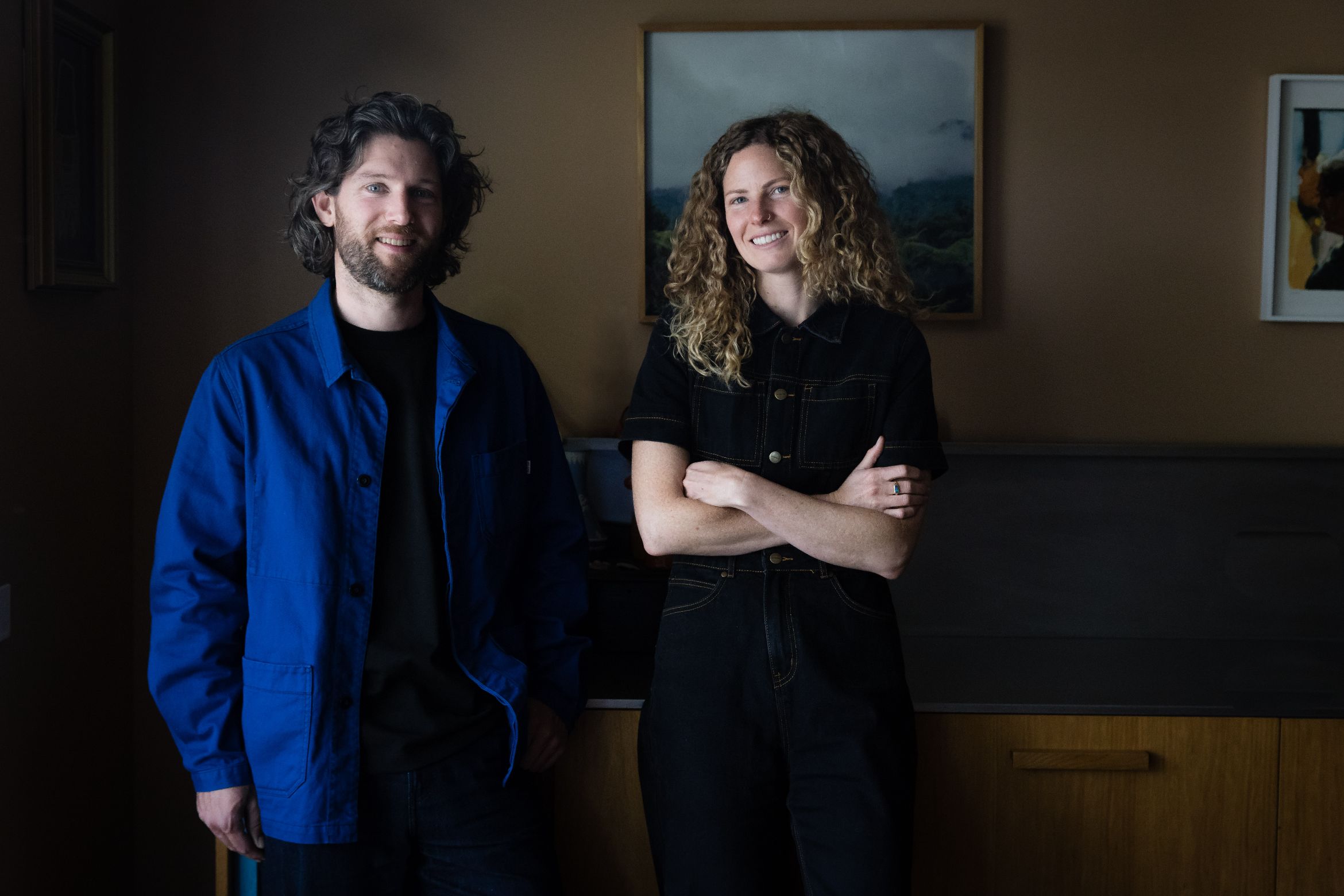
Byron George and Ryan Russell are co-directors of award-winning architectural studio Russell & George.
This article first appeared in DQ magazine issue 55
INDESIGN is on instagram
Follow @indesignlive
A searchable and comprehensive guide for specifying leading products and their suppliers
Keep up to date with the latest and greatest from our industry BFF's!
The internet never sleeps! Here's the stuff you might have missed