The home of architecture and design in the Asia-Pacific
Get the latest design news direct to your inbox!

Get the latest design news direct to your inbox!
Taking up the reigns of Managing Principal for Hassell’s Melbourne Studio, Richard Mullane says: “We plan to build a more inclusive, sustainable future for communities – and create a more socially and ecologically resilient world.”

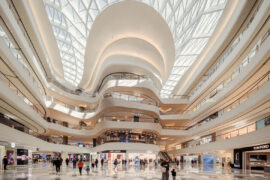
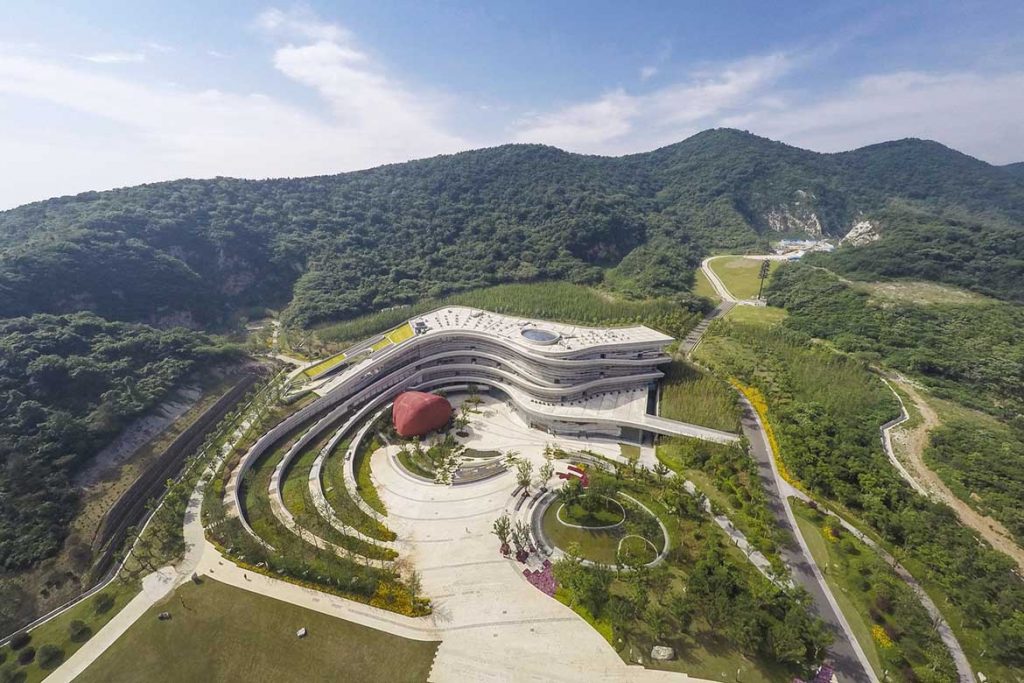
Huangpu East Bank Urban Forest.
May 20th, 2022
Hassell’s managing principal Richard Mullane has returned to Australia after 13 years, and the timing couldn’t be better as Hassell embarks on a new era of urban design work. Inspired by the language of urban design and architecture in Shanghai and San Francisco where he has lived and worked, Mullane is now leading Hassell towards a revitalisation of Melbourne’s urban design.
He shares with Indesignlive his experience and learnings in urban design, culture and business across the world.
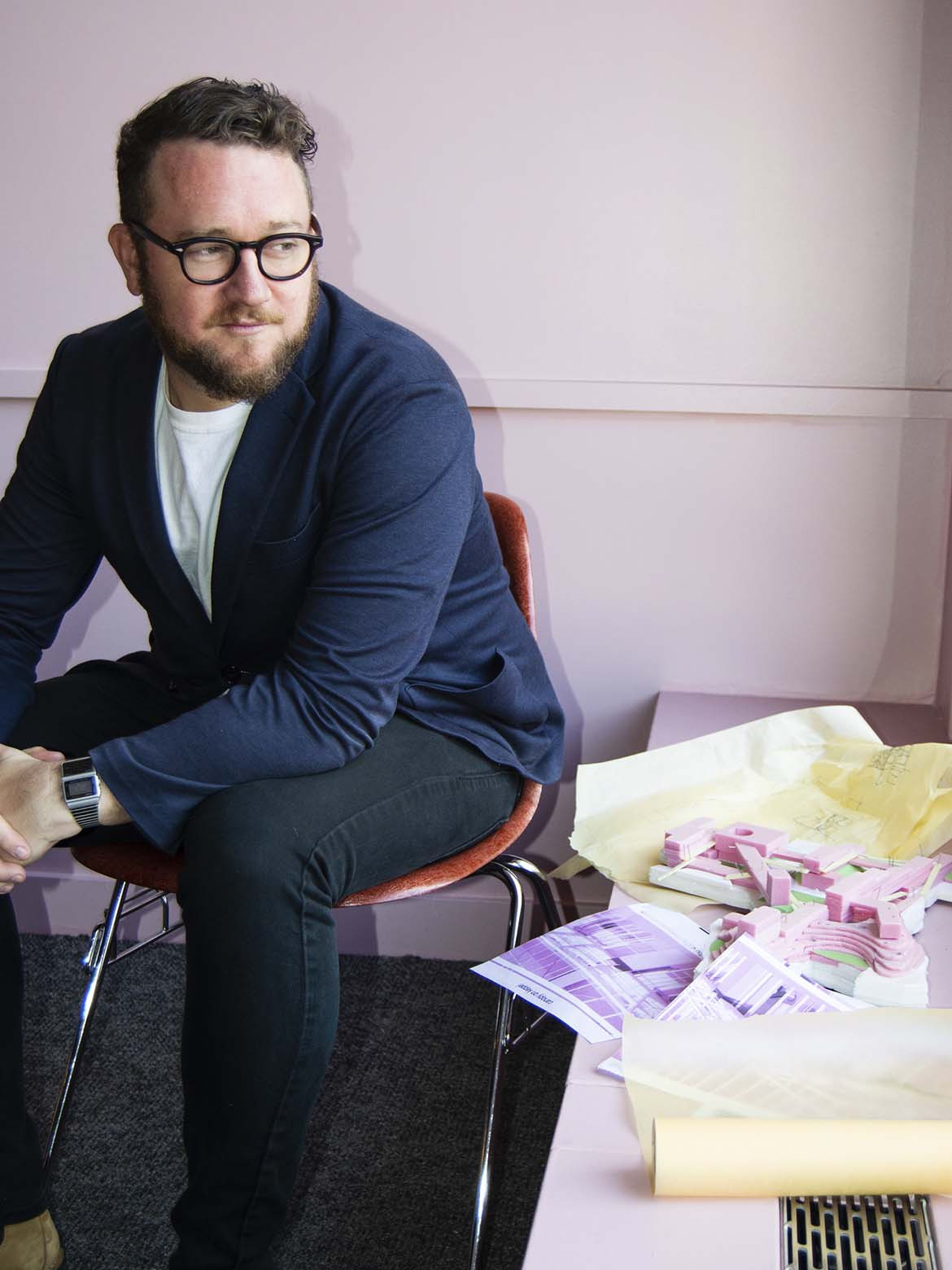
Indesignlive: As managing principal in Melbourne, what’s your role in shaping Hassell working culture?
Richard Mullane: Melbourne is one of nine interconnected design studios we have spread across the world. My role is to capture what’s unique about Melbourne and leverage that into Hassell’s working culture.
We want to create the world’s best places, places people love and to do that, we need the best people and the best environment for collaborating and creating. Melbourne stands out globally for being both incredibly creative and incredibly diverse which are traits of a design firm we value.
I’m super excited about the diverse talent from across Australasia that travels to study a range of design disciplines in some of the best universities here. By providing the right studio environment and the right global and local opportunities for that talent, I think our practice will continue to thrive as the nature of the design industry transforms over the coming decade.
Related: The Work Project and Hassell are changing the flexible workplace sector
What are some of the most important learnings you’ve taken with you from time spent in Shanghai, and also San Francisco?
I’ve learnt a great deal about the complex balance of localism and internationalism in a design proposal that resonates with global clients. I had many doors open for me in both countries because I was Australian, but the secret to building strong connections with clients and solving complex design challenges was always built on a unique local understanding that grew from being embedded in those communities and cultures.
The US has its own language to learn and adapts almost as much as China does. We work across a rich mix of design disciplines and project scales and the local talent that we attract in both markets comes to us for something different. They become an incredibly valuable link in helping us translate the local context and making the work that our global team does locally relevant and meaningful.
What excites you about your return to Australia and new focus on urban design?
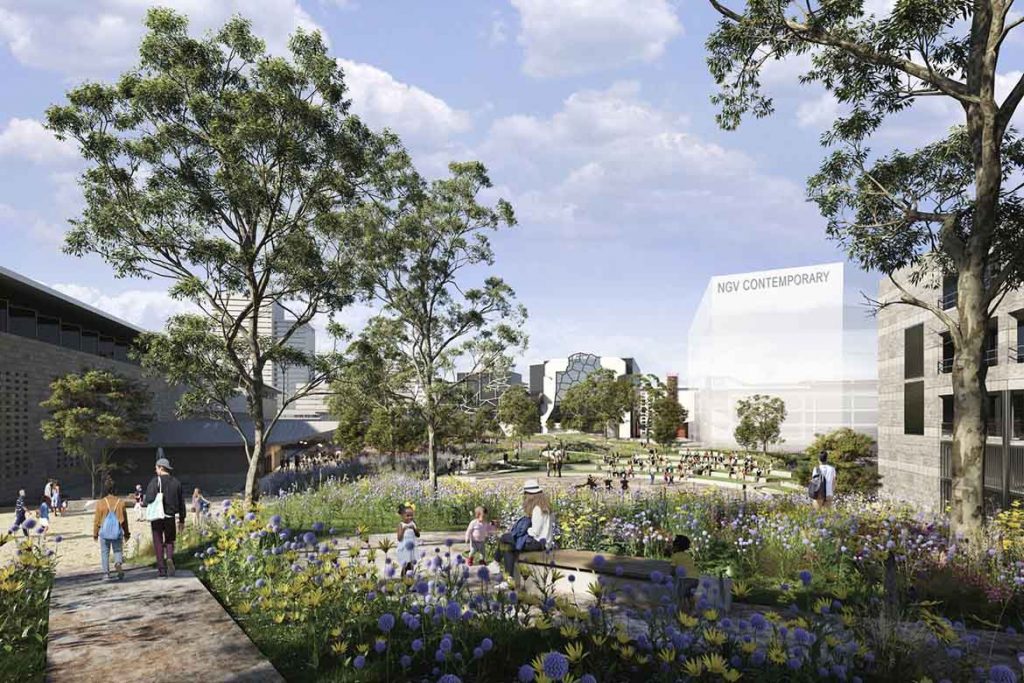
I appreciate just how good we have it in Australia. Melbourne is and has been for a long time, one of the world’s most liveable cities. My international clients have long looked to Melbourne’s forward-thinking urban design initiatives for inspiration on the projects I’ve worked with them on over the last decade.
It’s a once-in-a-lifetime opportunity to reshape entire city precincts to be more resilient and responsive to their context and communities. It’s incredibly exciting to be here now and to be part of the next stages of the city’s evolution.

What’s the big vision for the urban design projects you’ll be working on?
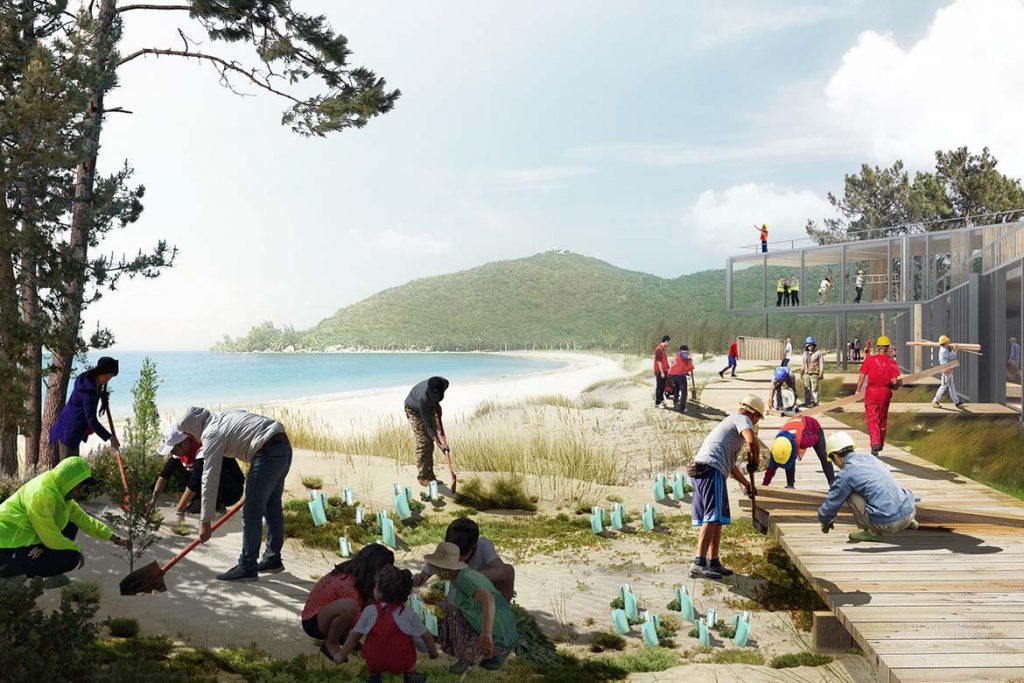
Well, it’s looking more like a big vision balanced by a very small vision. After working on large-scale new city work in China, I was drawn to California by the opportunity to work on engaging communities in a more bottom-up approach to urban projects. In our Resilient by Design project, it was incredibly rewarding to set up the project storefront and engage residents in building resilience across their community.
I’ve come to appreciate the effectiveness of urban design that delivers on both scales… a large-scale vision for transformation in the long term, and an immediate, hands-on opportunity for stakeholders to be a part of planting the first seeds of that plan today.
Through our work, we plan to build a more inclusive, sustainable future for communities – and create a more socially and ecologically resilient world. We’ve started calling for every one of our projects to have a vision for 100 years and 24 hours, which is also an interesting way of looking at the sustainability impact of our projects. Both long-lasting and immediate.
What are some of the key strategies to building ‘long term resilience’ into Melbourne?
I’m a big believer that it’s all about communities. Much of the amazing work that has been done in Melbourne already has looked at both hard and soft infrastructure, from flood protection to urban forest investment, and that’s all been worthwhile.
But I think we too often forget the proven return on investment in communities and social infrastructure. A direct investment that builds connections within a community, and allows them to self-organise during a disaster and rebuild afterwards, is bound to become more and more critical as we face more heatwaves, flash flooding, and even pandemics in the future.
In San Francisco, they have a city-run programme that funds community festivals and block parties to develop these connections and skills. I’d always lean towards that type of investment, along with low-tech green infrastructure solutions that allow local communities to plant and build together to be a part of the solution.
One other thing that I’d say about resilience in Melbourne is how fantastic it is that the governments are investing in health right now, through hospitals and green space (and occasionally both in innovative ways together). If we’ve not learnt over the last few years to value our health, as well as nature for its relationship to our health, then I don’t know what we have learned!
Hassell
hassellstudio.com
Photography
Courtesy of Hassell

We think you might like this article about new staff movements in 2022.
INDESIGN is on instagram
Follow @indesignlive
A searchable and comprehensive guide for specifying leading products and their suppliers
Keep up to date with the latest and greatest from our industry BFF's!
The internet never sleeps! Here's the stuff you might have missed