The home of architecture and design in the Asia-Pacific
Get the latest design news direct to your inbox!

Get the latest design news direct to your inbox!
The award winning work of Simon Pengelly spans aircraft interiors, furniture and homewares. David Harrison delves into the method driving this master maker

January 11th, 2013
They say that anyone can become an expert if they set their mind to it. There is a caveat of course – you have to dedicate at least 10,000 hours to it. UK designer, Simon Pengelly has clocked up a lot more hours than that in his chosen field.
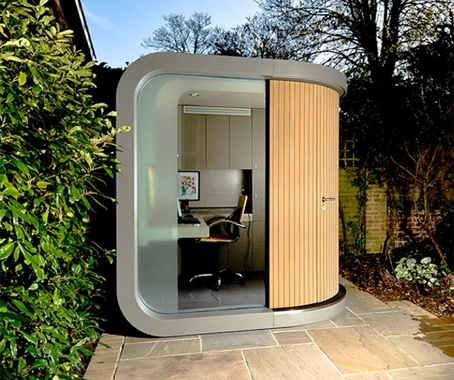
Office Pod
He first started cabinet making at the age of eight, hanging out in his father’s joinery workshop and acquiring the type of skills that eventually led to him winning gold medals at the International Woodworker Shows and being named woodworker of the year in 1983 at the ripe old age of sixteen.
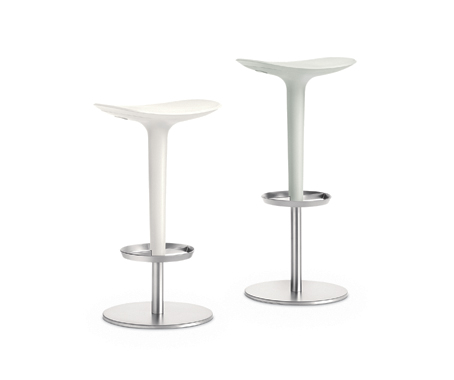
Babar Stool
Ten years on, Pengelly had made the shift from master maker to up-and-coming designer – completing a degree at Kingston University and setting up his own design studio. For the last 20 years he has been creating award-winning designs that reveal his heightened understanding of cabinet making and his love of simple, understated forms. His early work for UK homewares institution, Habitat, openly expressed his woodworking roots but in more recent times Pengelly has incorporated other, more high volume production materials into his design repertoire.
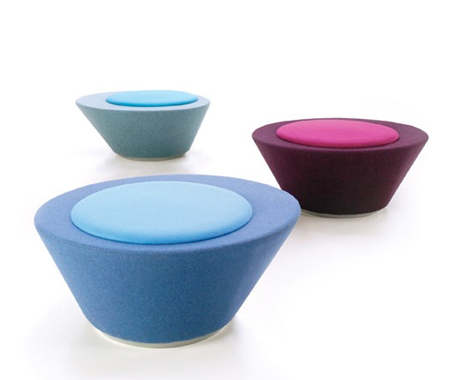
Pluto Ottoman
The critically acclaimed ‘Nuur’ table for Arper from 2009 is a prominent example, with the modular aluminium table system winning a swag of design awards culminating in the XXII Compasso d’oro in 2011.
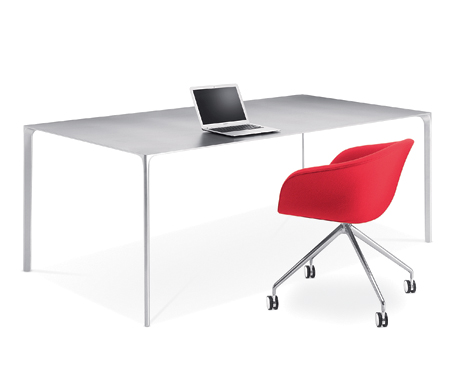
Nuur Table
Upholstered pieces have also been a more recent focus for Pengelly, with curvaceous seating forms designed for numerous international furniture companies including Modus, La Palma, Montis and Johanson Design.
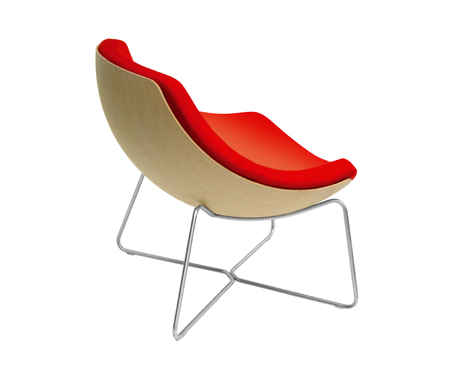
La Palma
Occasional forays into other fields have led to modern wood burning fireplaces for UK based Future Fires and even the interior of jet aircraft for Virgin Atlantic’s new ‘Upper Class’ suites.
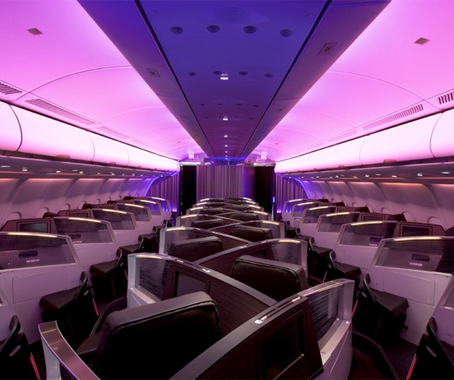
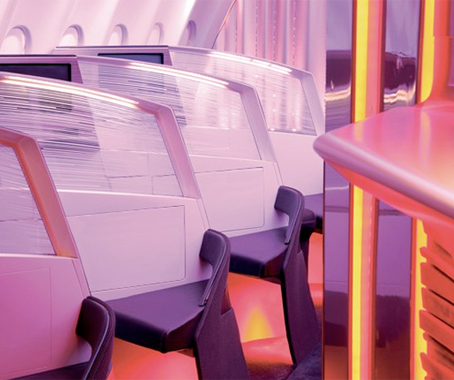
Virgin Atlantic Uppler Class
According to Pengelly, his fundamental approach to furniture design involves a thorough understanding of materials and manufacturing techniques but he combines this with a passionate desire to create accessible production furniture with ‘soul’.
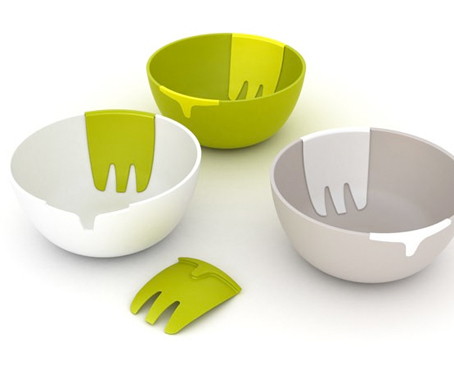
Hands On
“Quietness, possibly above all else, is a quality that the best products possess. There are few things more exciting and interesting to us than being able to make our mark with quiet design” says Pengelly.
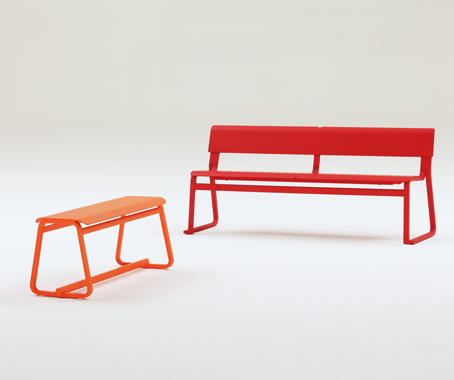
Theo Bench and Theo Pew
This desire to work within the framework of familiar archetypes and to avoid loud, showy objects, is at the heart of Pengelly’s recent seating range for UK company, Chorus Furniture.
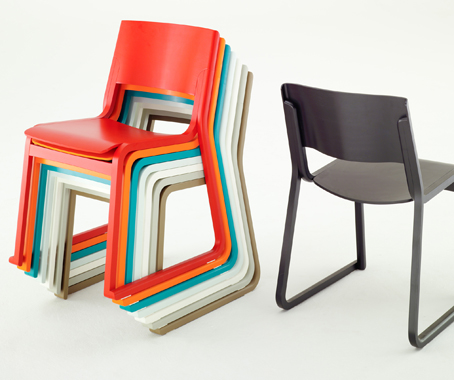
Theo Chair
The ‘Theo‘ stacking chair, stool, bench, pew and table, is an all-timber range using steam bent solid timber and moulded plywood. Pengelly’s clever interlocking structure maximizes lightness and reduces volume to allow stacking of up to thirty chairs.
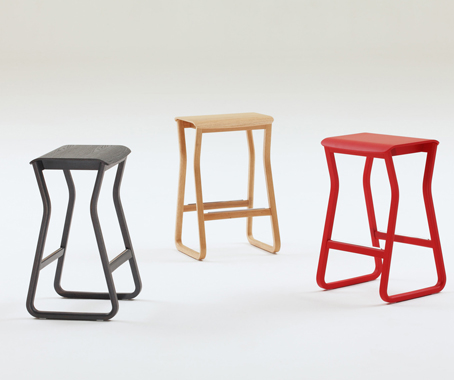
Theo Stool
Born from a life spent understanding the physical properties of timber and how to stretch its possibilities, Pengelly has created a highly evolved range of furniture with simple, quiet beauty.
Pengelly Design
KE-ZU
Images © Pengelly Design
Read more: https://www.indesignlive.com/articles/Simon-Pengelly-A-Quiet-Quality#ixzz2IZtxJonE
INDESIGN is on instagram
Follow @indesignlive
A searchable and comprehensive guide for specifying leading products and their suppliers
Keep up to date with the latest and greatest from our industry BFF's!
The internet never sleeps! Here's the stuff you might have missed