The home of architecture and design in the Asia-Pacific
Get the latest design news direct to your inbox!

Get the latest design news direct to your inbox!
The flexible Ximula System is being employed in residential and commercial projects around Australia.

December 2nd, 2010
Having only recently entered the Australian market, Singapore-based joinery and cabinetry company Ximula is taking the region by storm.
The award-winning Ximula System has already been a key addition to residential projects around Indonesia, Hong Kong and Singapore, used to create robes, sliding doors and cabinet doors for kitchens.
Ximula products are now popping up around Australia as designers embrace the collection for its versatility and flexibility.
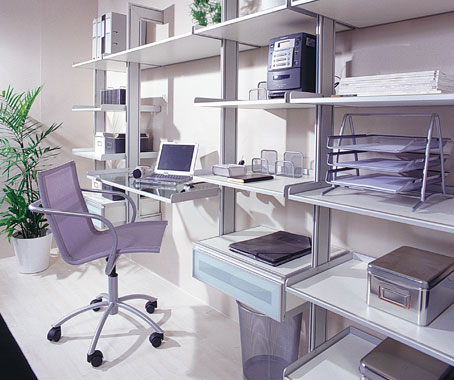
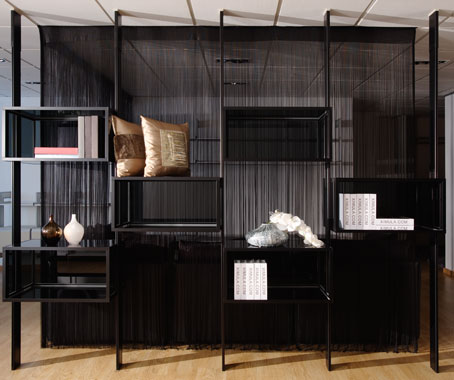

To date, Ximula has been specified in a range of recent works – from high end private residences to libraries, office storage to student accommodation, as seen in Cox Richardson’s use of the Ximula System in their fit-out for Swinburne University’s Unilodge student accommodation.
The key to Ximula’s patented aluminium joinery is that it can be mixed and matched to form a range of things – cabinets, shelves, drawers, rails and doors.
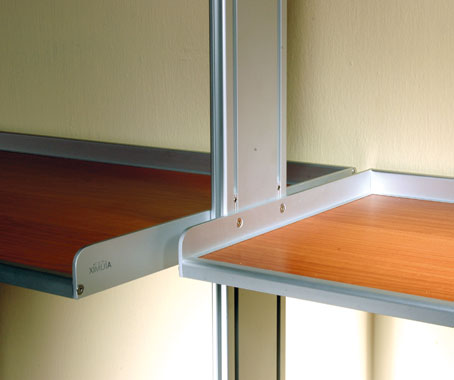
“Ximula introduces a new design solution to replace expensive and bulky cabinetry in the home or office,” Ximula’s Rick Wootton recently told Indesignlive.
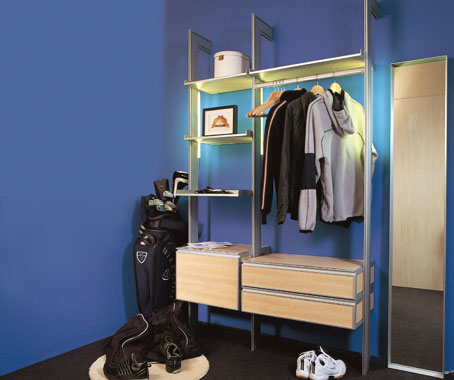
“The light and portable aluminium joinery system is simple to install, alter or remove when necessary.”


Easy to install and easy to maintain thanks to its replaceable componentry, Ximula can be up to 60% more cost efficient than its competitors.
Workstations, office shelving, residential shelving, wardrobes, TV units, library systems – the possibilities are endless with the Ximula System.


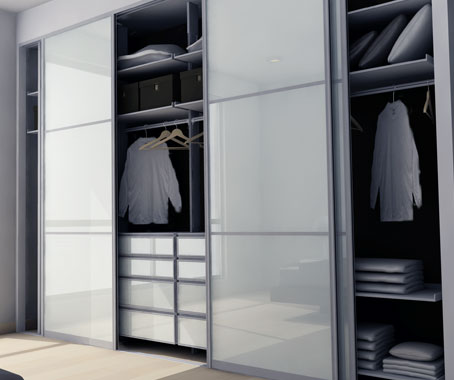
Visit the Ximula website to download a brochure and find out how you can incorporate the Ximula System into your next project.
Ximula
ximula.com.au
INDESIGN is on instagram
Follow @indesignlive
A searchable and comprehensive guide for specifying leading products and their suppliers
Keep up to date with the latest and greatest from our industry BFF's!
The internet never sleeps! Here's the stuff you might have missed