The home of architecture and design in the Asia-Pacific
Get the latest design news direct to your inbox!

Get the latest design news direct to your inbox!
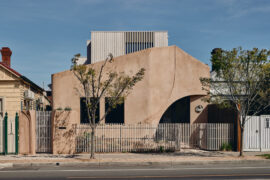
An historic Adelaide mansion has undergone a multi-million-dollar metamorphosis that has transformed the heritage-listed 19th century pile into a 21st century landmark.
August 13th, 2015
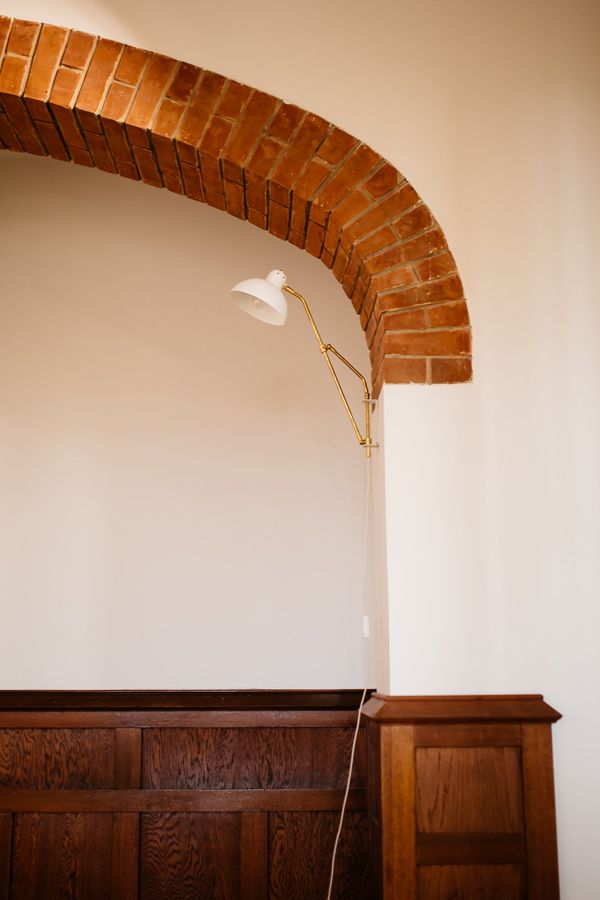
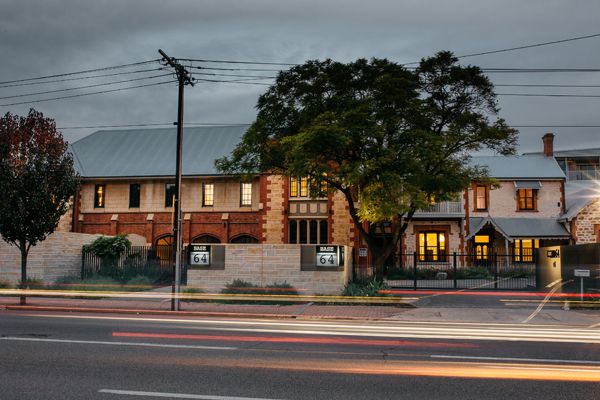
The property – formerly housing the Parkin Theological College and Pepper Studios – is a distinctive visual and historic element in Kent Town, a fringe suburb east of Adelaide City. Constructed in 1865 of bluestone and sandstone rubble with brick quoins, the original two-storey building contains picturesque detailing with a facade of profiled brick, scalloped barges and a cantilevered balcony.
When Adelaide-based technology entrepreneur Simon Hackett bought the property in 2012, he decided to restore it to its former glory while bringing it aesthetically, structurally and functionally into the 21st century. “It is such a beautiful property that had been extended and maintained quite haphazardly over the years,” said Simon. “We wanted these renovations to make this an Adelaide landmark building for the next 100 years.”
The restoration was led by Williams-Burton Architects in collaboration with Anna Hackett, and Sarah Constructions carried out the building work. The mansion, once known as Wavertree, is one of four buildings on the 2777-square-metre property, now named Base64, a digital quip arising from its address at 64 North Terrace, Kent Town. The original house is linked with many notable South Australians, including Sir Frederick Holder, who was twice Premier of South Australia in the 19th century and first Speaker of the Federal House of Representatives.
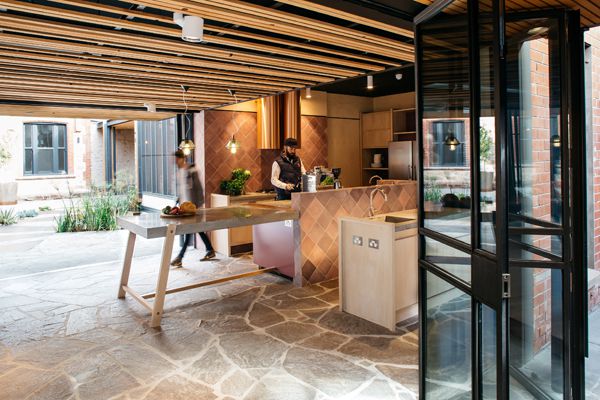
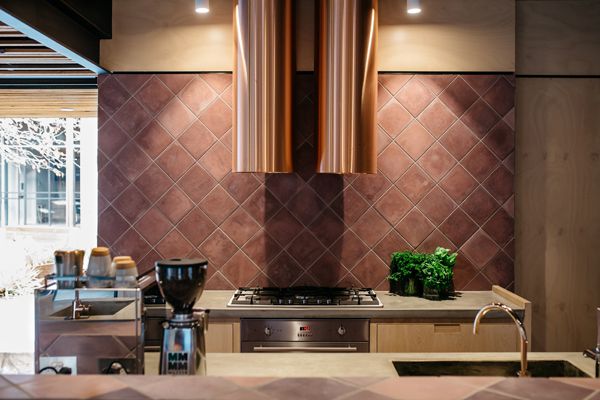
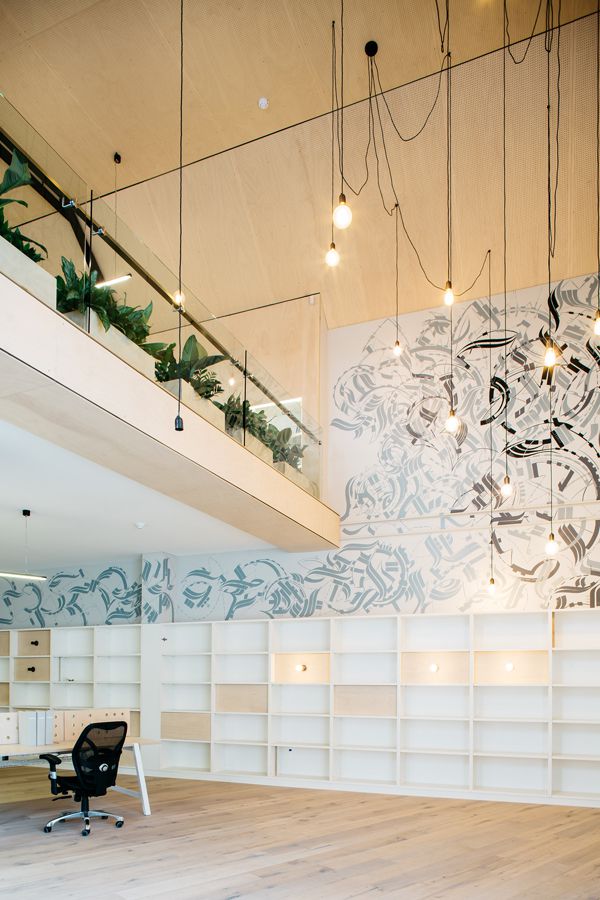
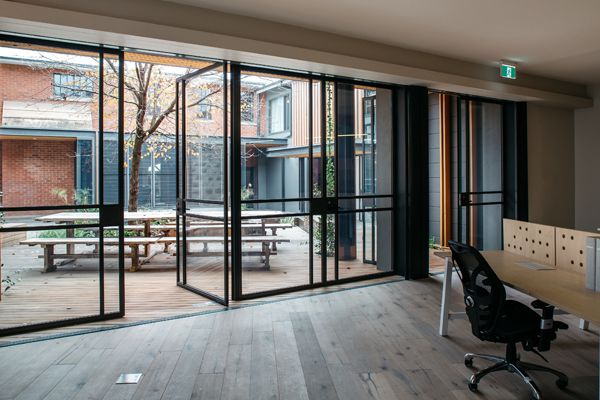
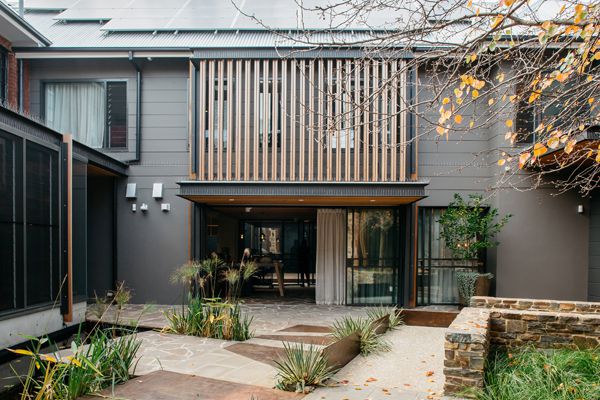
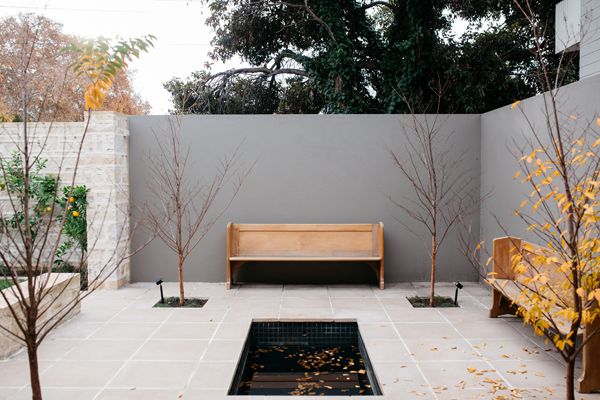
Originally built as a private residence, the location has accommodated a theological college, a television production studio and a digital video production facility. A second two-storey building, built in 1930, contains a one-time chapel while an expansive double-storey building at the rear once housed television production studios. Connecting these buildings is a “bridge” building that contains upstairs offices and a ground-floor open-plan kitchen and entertainment area flowing into a central courtyard.
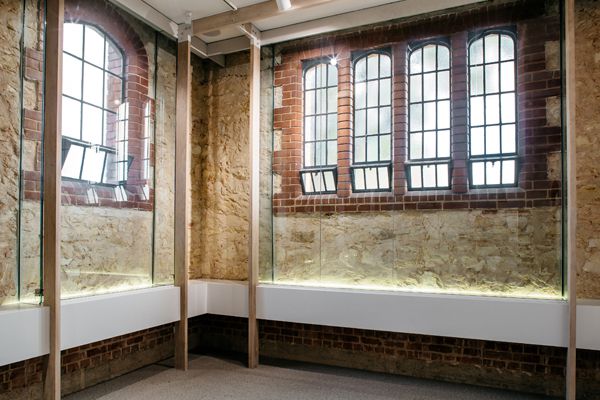
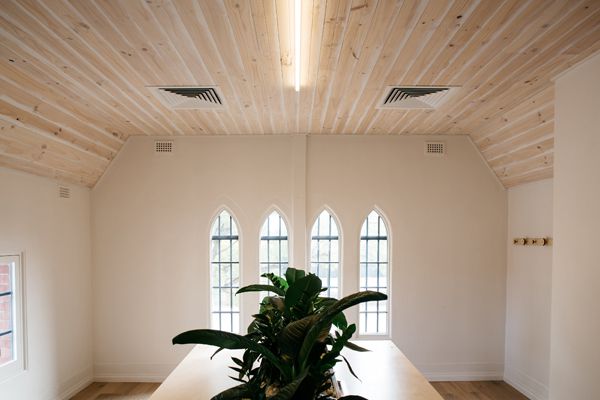
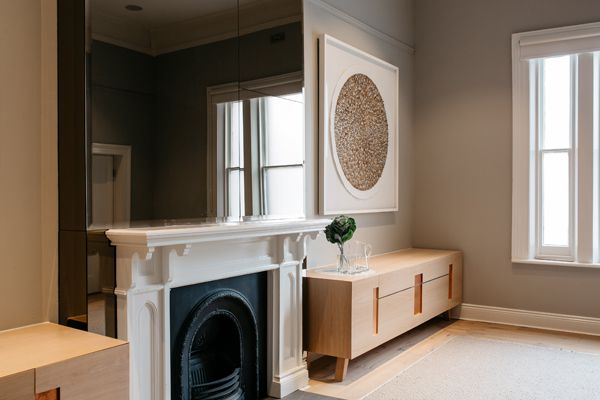
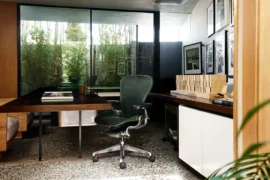
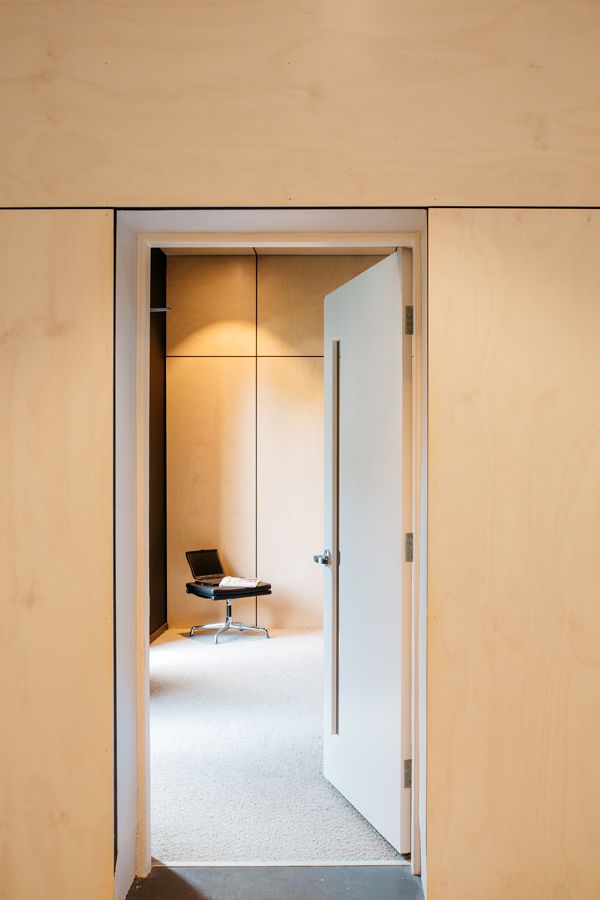
The project to reinvigorate the entire site, while maintaining architectural integrity of the oldest buildings, was not for the faint-hearted. Like Grand Designs on steroids, the renovations have cost as much as the purchase price, as work progressively uncovered unplanned challenges. Today, the two-year project has remodelled and integrated all four buildings, transforming them from dowdy neglect to contemporary glory, filled with light, warmth and an invitation to community.
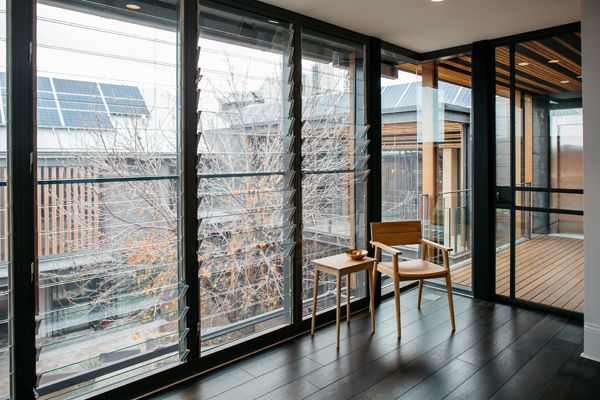
Roofs were replaced, and structurally challenged stone walls were reinforced with steel supports. Repairs to a botched 1980s makeover replaced concrete smeared between bluestone blocks with lime mortar repointing, and uneven wooden floors were ripped up, realigned and replaced. A defunct swimming pool was converted to a 50,000-litre tank for underground storage of rainwater. Windows were double-glazed and made to open, so that natural airflows are available throughout the building to complement and minimise use of the air conditioning systems.
Base64
www.base64.com.au
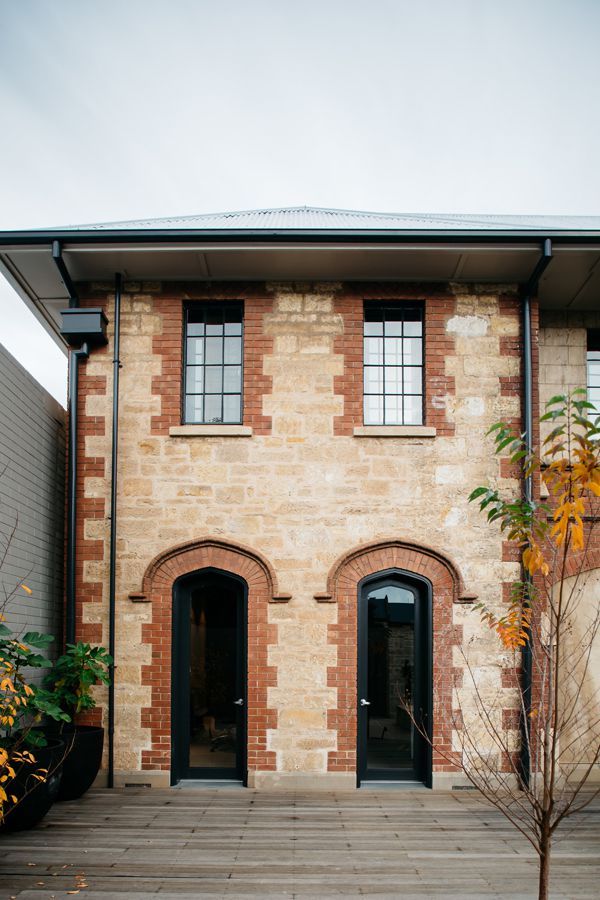

Photographs by Christoper Morrison.
INDESIGN is on instagram
Follow @indesignlive
A searchable and comprehensive guide for specifying leading products and their suppliers
Keep up to date with the latest and greatest from our industry BFF's!
The internet never sleeps! Here's the stuff you might have missed