–
Click here to download the whitepaper
and find out more
–
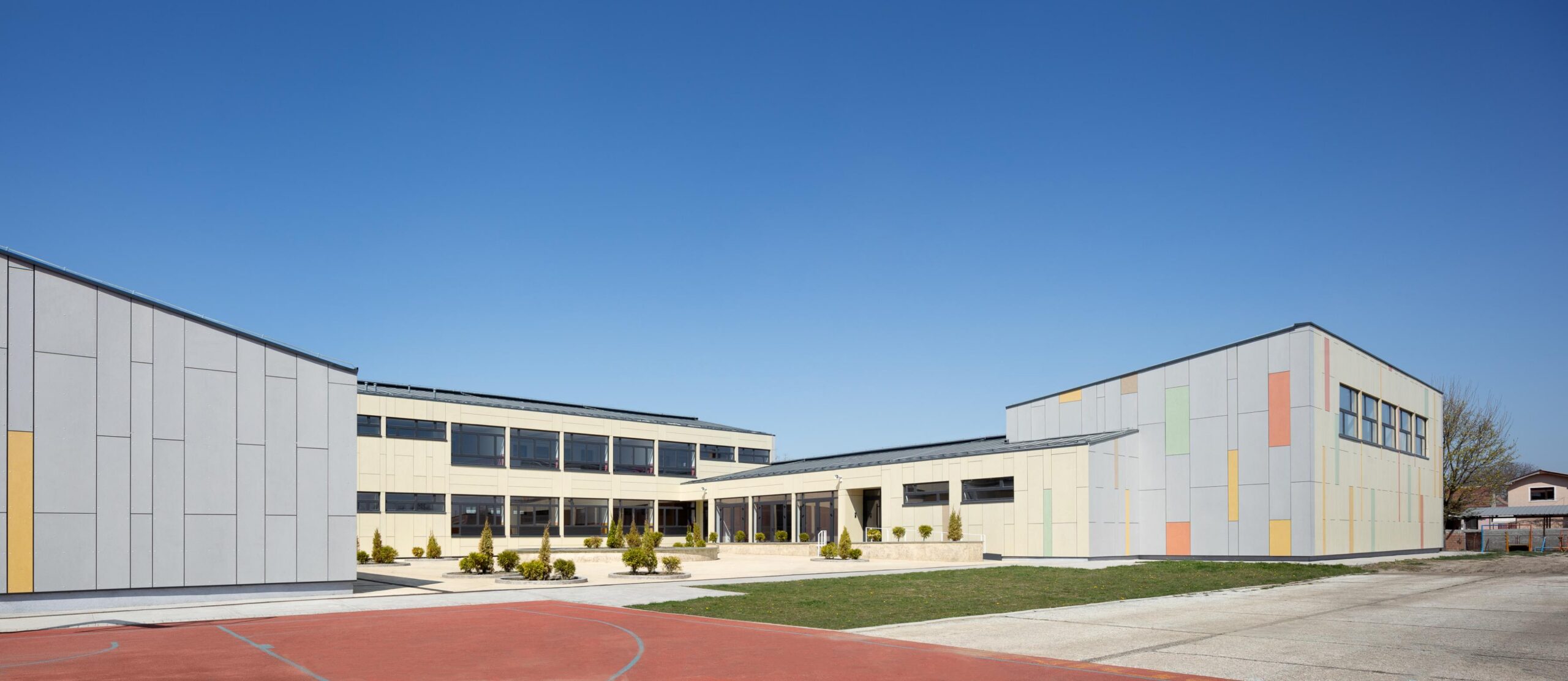
Beyond the imperatives of quality teaching, adequate funding, universal access and so forth, the relevance of design to educational outcomes is well established. Put simply, students at all levels – from pre-school, through primary and secondary, to the tertiary level – do better in well-designed settings.
As numerous studies have found, spaces that are safe, quiet, comfortable and designed to direct minds to the task of learning, result in the best educational outcomes. Indeed – as the best examples illustrate – well-designed learning spaces actually energise their occupants. They help focus all involved (i.e. students and teachers) on the tasks at hand and place them in the best position to reach their full potential.
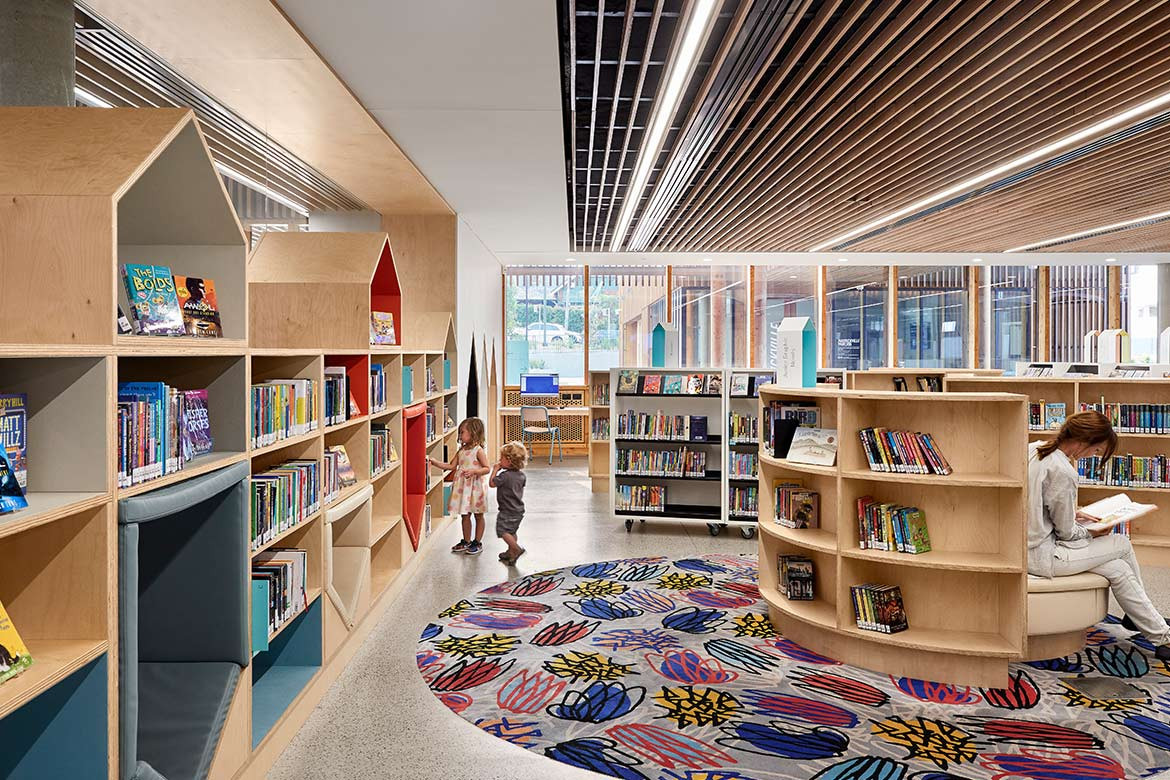
As is the case with all types of architectural achievement, such success is not always easy to identify. It extends to all aspects of design and fitout – from the use of light and shade, to classroom size, safety, acoustics and even the choice of walling materials and furnishings. And it extends to flooring. The flooring used in schools, day care centres, libraries, and universities has a significant effect on student performance.
The following White Paper focuses on two of the best flooring choices for libraries and educational settings, namely rugs and carpeting. Focussing on the offerings of one leading supplier, Designer Rugs, it outlines the benefits they bring to educational projects. It includes several case studies to illustrate the qualities of rugs and carpeting; and points out why Designer Rugs is the right flooring supplier for your next school, library, or university project.
–
Click here to download the whitepaper
and find out more
–