The home of architecture and design in the Asia-Pacific
Get the latest design news direct to your inbox!

Get the latest design news direct to your inbox!
Bates Smart looked to the characteristic attributes of Melbourne to bring the vitality of the city into a high-performance working environment.


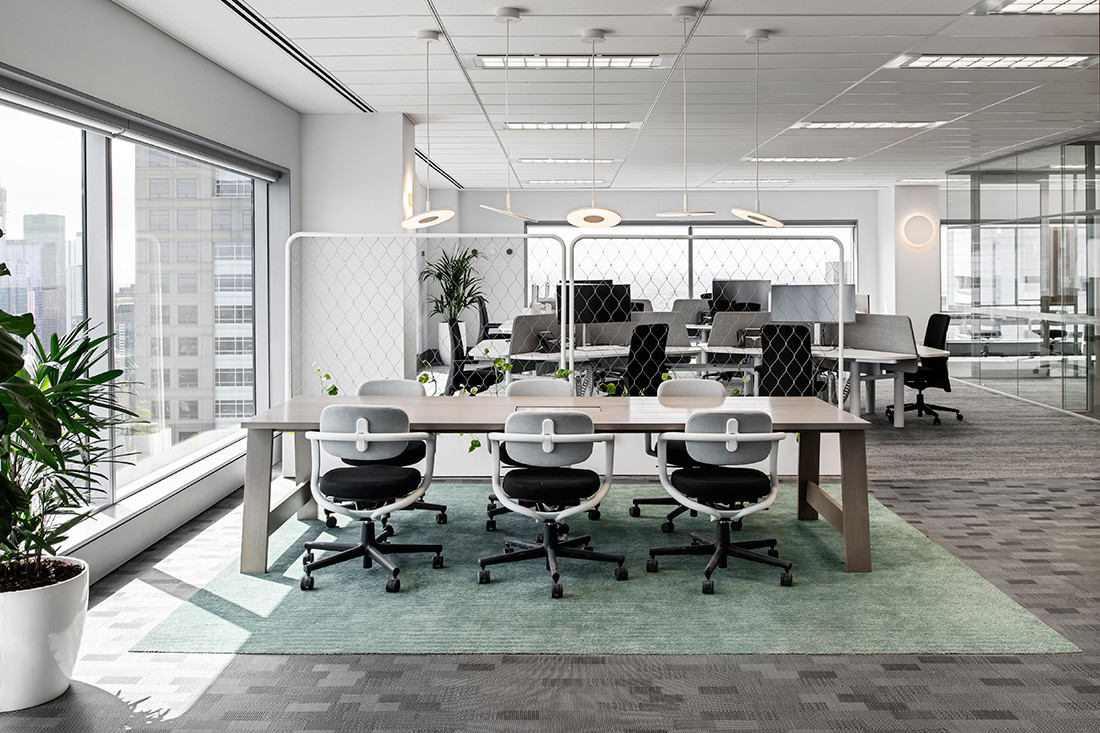
There’s no doubt Melbourne has character like any other city in the world, and it was the inspiration for the new workplace of Boston Consulting Group (BCG), giving the global firm a local presence. BCG required a works space that felt welcoming for its local consultant – who are predominantly only in the office on Friday, working off-site the remainder of the week – as well as for its overseas staff to feel at home travelling. Bates Smart looked to idiosyncratic attributes of Melbourne to bring the vitality of the city into the high-performance environment.

“The design approach began by translating some of Melbourne’s distinctive characteristics into subtle design expressions, ranging from materiality selection, to textures and patterns, and artwork, thereby creating a truly local experience within the global BCG brand,” says Bates Smart Associate Director Grant Filipoff.
The workplace is situated across two floors of 101 Collins Street and its spatial planning is inspired by the Hoddle Grid that defines the layout of the CBD streets. This establishes a modular grid floor plan with a clear perimeter around the edge of the building. “Much like the CBD, internal ‘streets’ and ‘laneways’ were introduced to allow for the creation of neighbourhoods within the workplace,” Grant explains.
Staff can choose from 11 different work settings, designed for different modes and experiences. This includes meeting rooms, focus rooms, a brainstorming room and workstations, amongst other settings. “Decompression and mental fitness were a strong consideration for the high-performing staff who continually work under pressure. The brief detailed the need to provide spaces within the office that offer staff a chance for respite, to take time-out and to regenerate,” says Grant. These built zones were made as transparent as possible and workspaces, meeting rooms and furniture are carefully positioned to offer access to panoramic views.
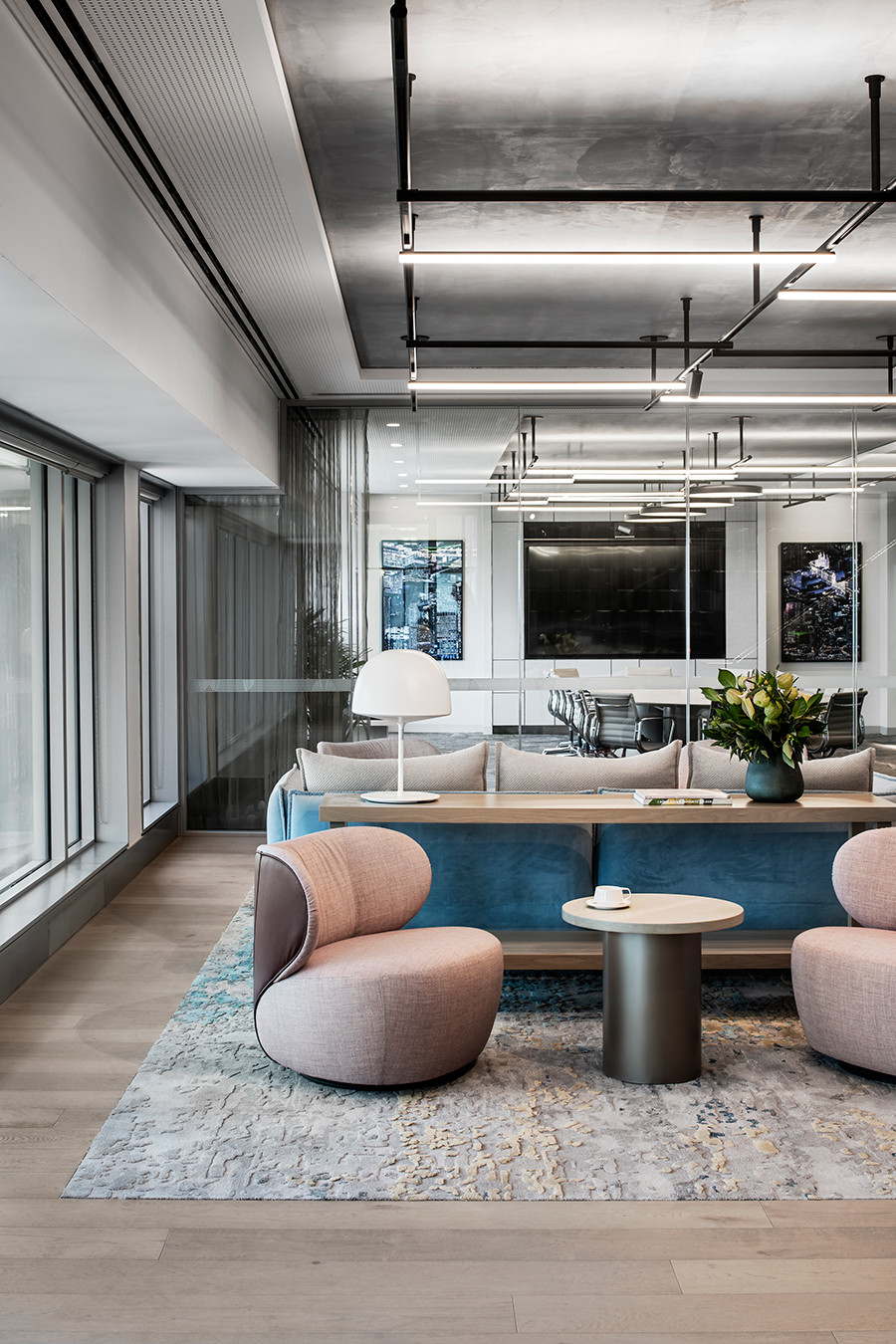
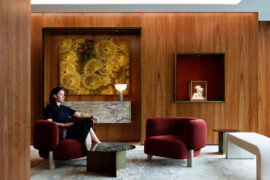
Natural materials reflect Melbourne’s raw and industrial palette, and bricks on the walls and floors reference the texture of bluestone paving and cobblestone laneways. Leather straps on joinery door handles hark back to Melbourne’s heritage trams, while the signage throughout the workplace is drawn from the laneway culture. A breakout space and kitchen capture Melbourne’s coffee culture with a dramatic marble bench and Tristan Kerr’s typographic wall art that references the bill posters and distressed signage seen in Melbourne’s laneways.
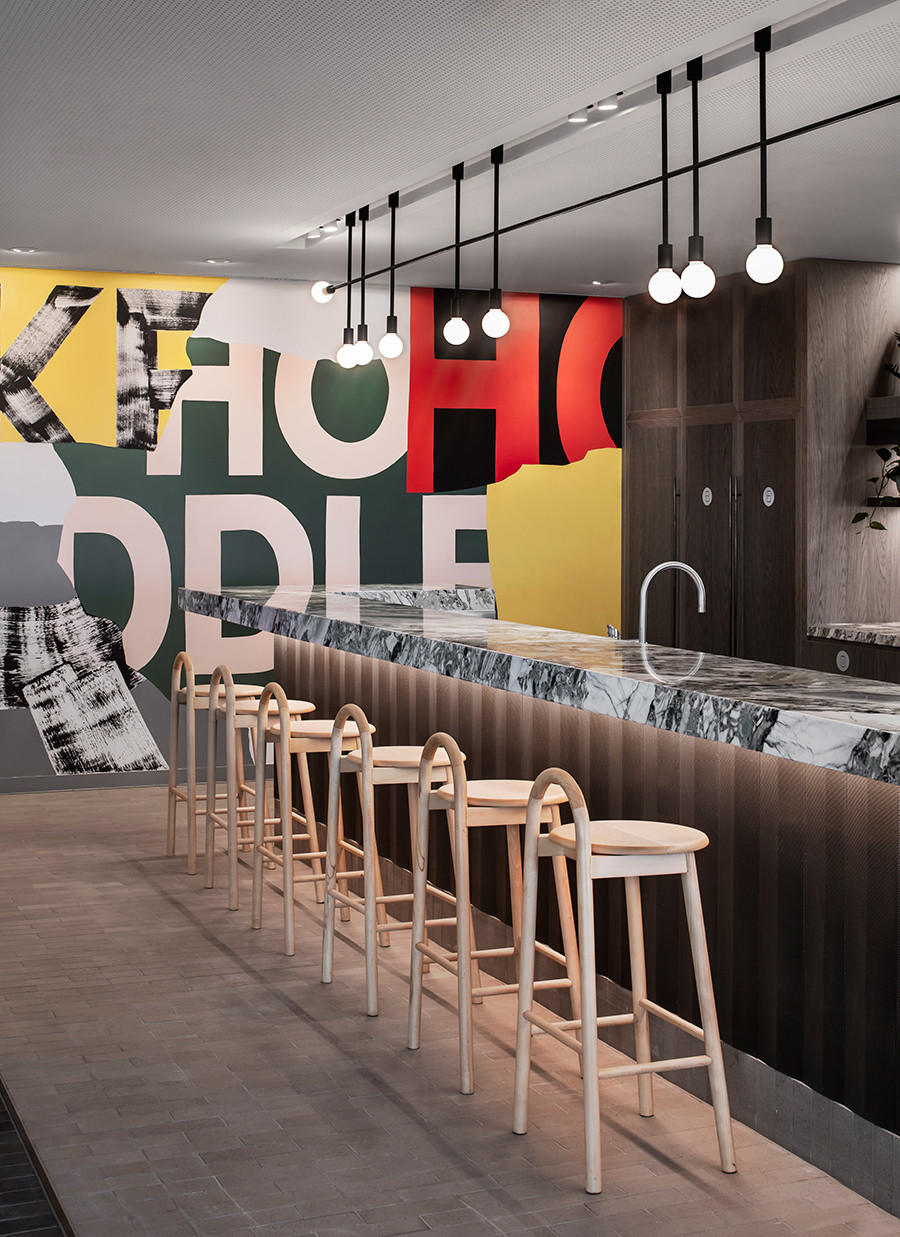
The furniture, furnishings and artwork introduce softness, colour and a sense of playfulness in contrast to the linearity of the floorplan and texture of the materiality. Bates Smart commissioned works by a number of local artists and collaborated with Sharrock Design to curate a collection that captures the essence of the city. A fluorescent light sculpture designed by Alex Earl is behind the reception desk and is inspired by the city night lights and linear tram lines.
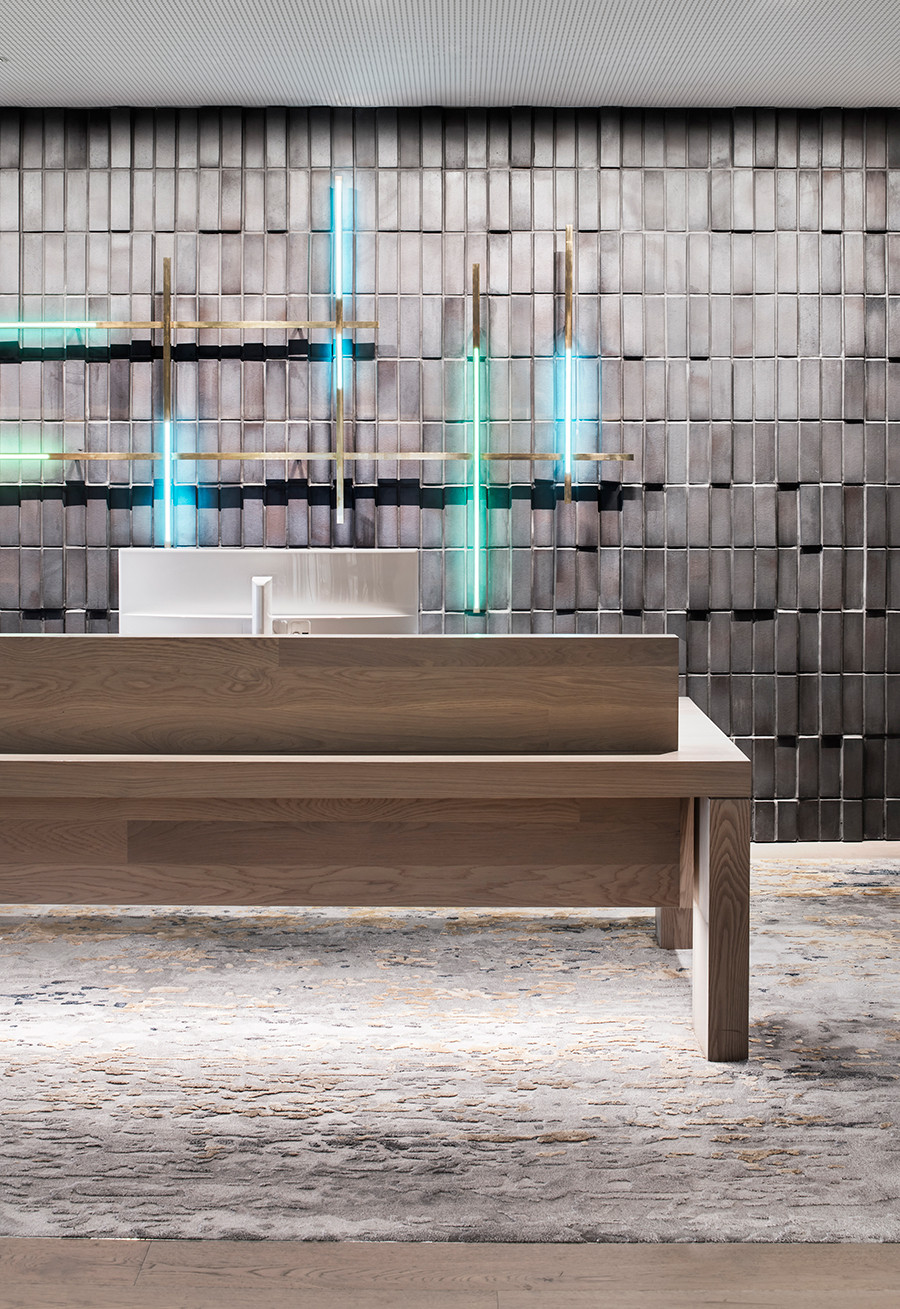
There is also photography by Tom Blachford, a wall sculpture by Maddie Sharrock and a collective sculpture by Makiko Ryujin, Katrina Tyler, Tanri Mustika, Alterfact and Ella Bendrups. “Each artist has produced works in their signature style and inspired by the diversity and stories of the people and history. Being a collaborative piece and utilising various materials and textures, this work represents the cities diversity and multiculturalism,” says Grant.
Like these artworks, BCG’s new workplace tells a story of Melbourne, embracing and celebrating the character of the city for a company that has a global presence.
Project team: Rachael McCarthy (studio director), Richard Healy (interior designer) and Lauren Wright (interior designer).
See more outstanding work by Bates Smart here. Always be inspired and up to date, sign up to our mailing list.
INDESIGN is on instagram
Follow @indesignlive
A searchable and comprehensive guide for specifying leading products and their suppliers
Keep up to date with the latest and greatest from our industry BFF's!
The internet never sleeps! Here's the stuff you might have missed