True sustainability doesn’t have to be complicated. As Wilkhahn demonstrate with their newest commercial furniture range, applying energy and intelligence to design, coupled with exemplary materiality and making can deliver superb, sophisticated products that exemplify environmental stewardship.
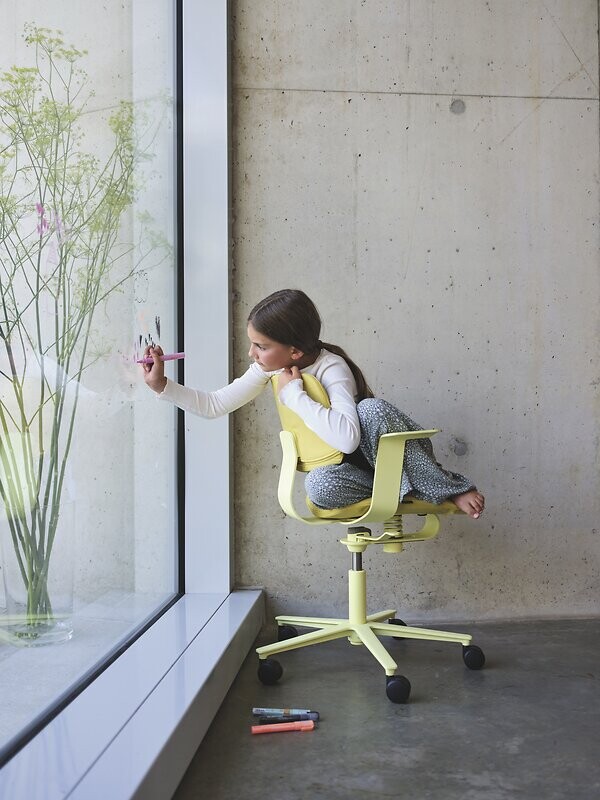
The Wilkhahn WiChair embodies this approach with a streamlined, simple design that nonetheless delivers a premium look and feel. Created with both human and environmental wellbeing at the heart of design, the WiChair is crafted for durability, repairability and ease of use. Toxic materials have been avoided, instead, steel and FSC-certified pinewood ensure every part is recyclable or renewable.
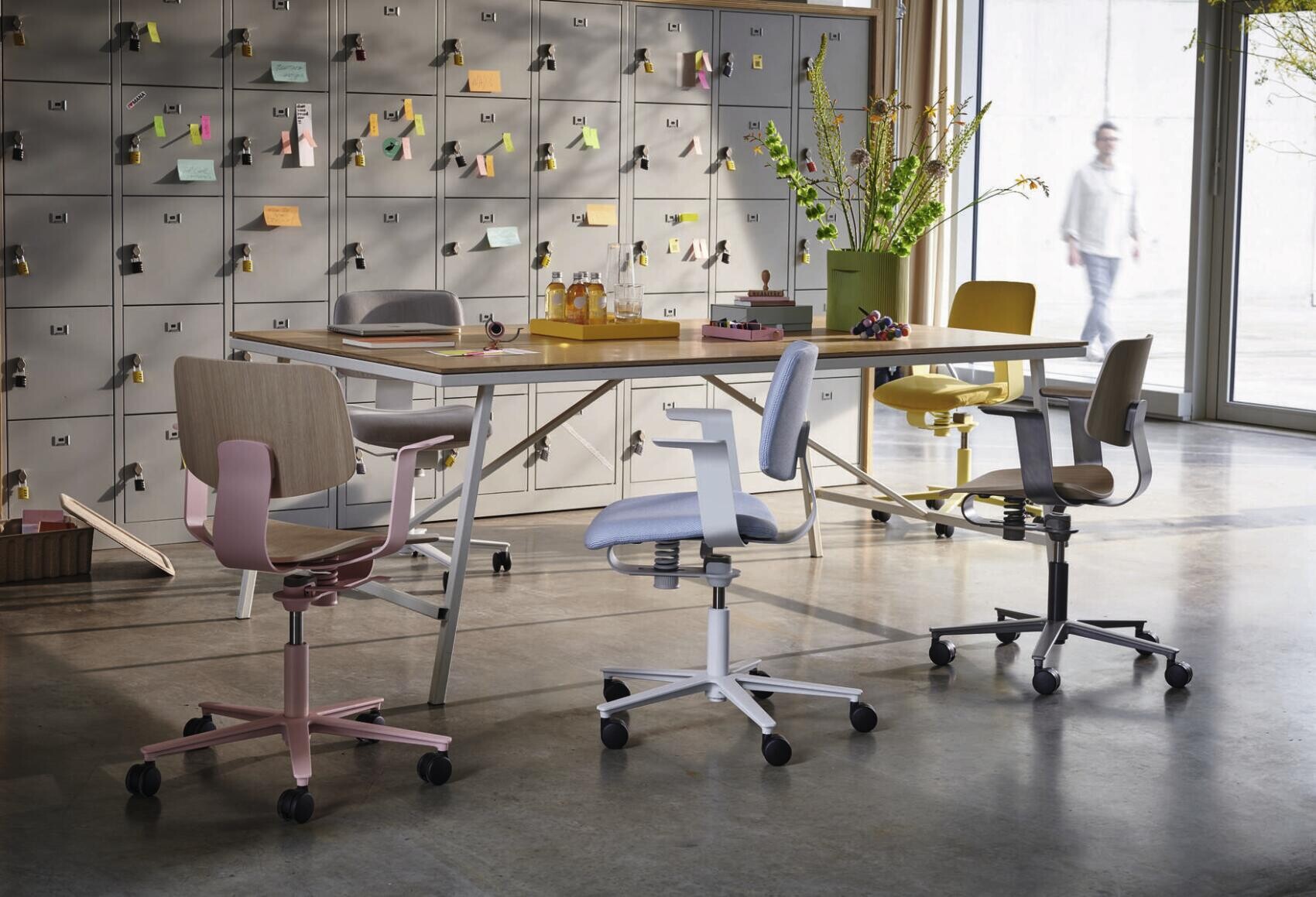
This groundbreaking task chair also promotes health by encouraging active sitting styles, making it ideal for workplaces, home offices, education and other settings where people need to feel comfortable, positive and energised. A wide range of colour palettes gives flexibility for matching with existing interior schemes.
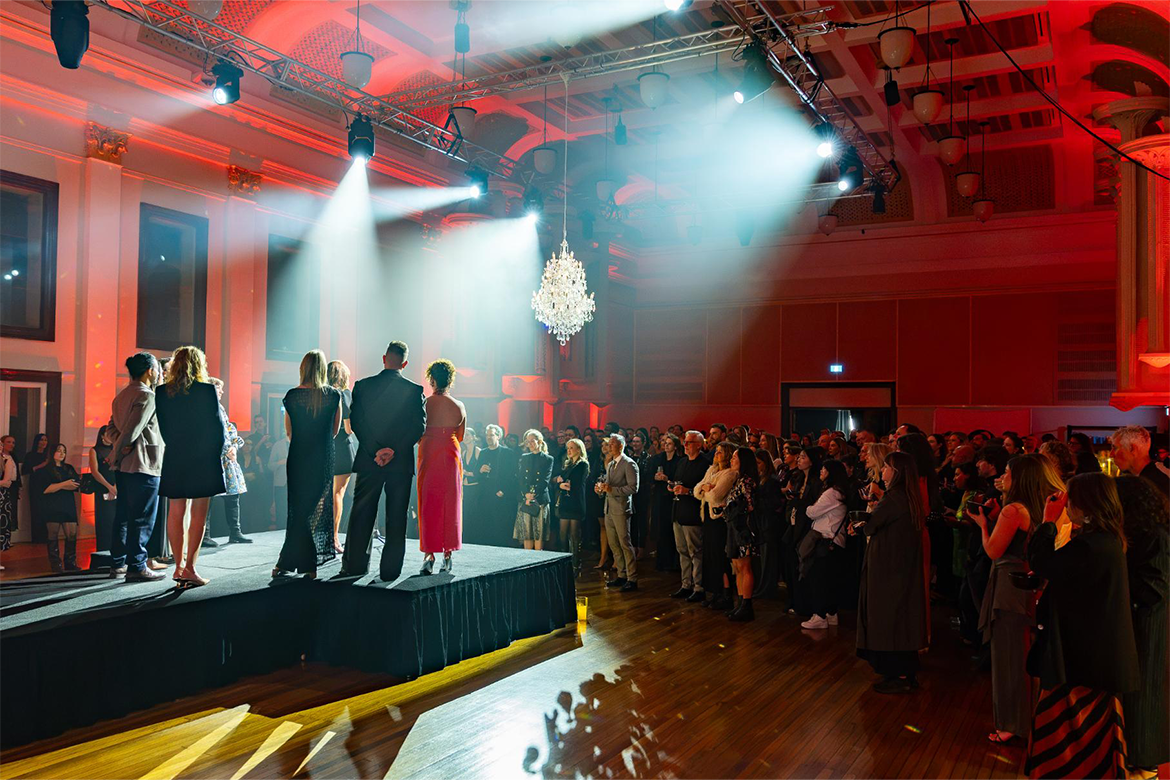
In a testament to the superior environmental credentials of WiChair, the 2026 German Sustainability Award judges have selected the WiChair as one of just two winning products in the resources-transformation category.
“The WiChair sets new standards in low-emission furniture design,” the judges commented.
“In particular, the panel applauds the successful combination of sustainable materials, functional ergonomics and timeless design”.
They also noted that the excellent repairability and modular design will ensure the chair lasts longer, reducing resource consumption.
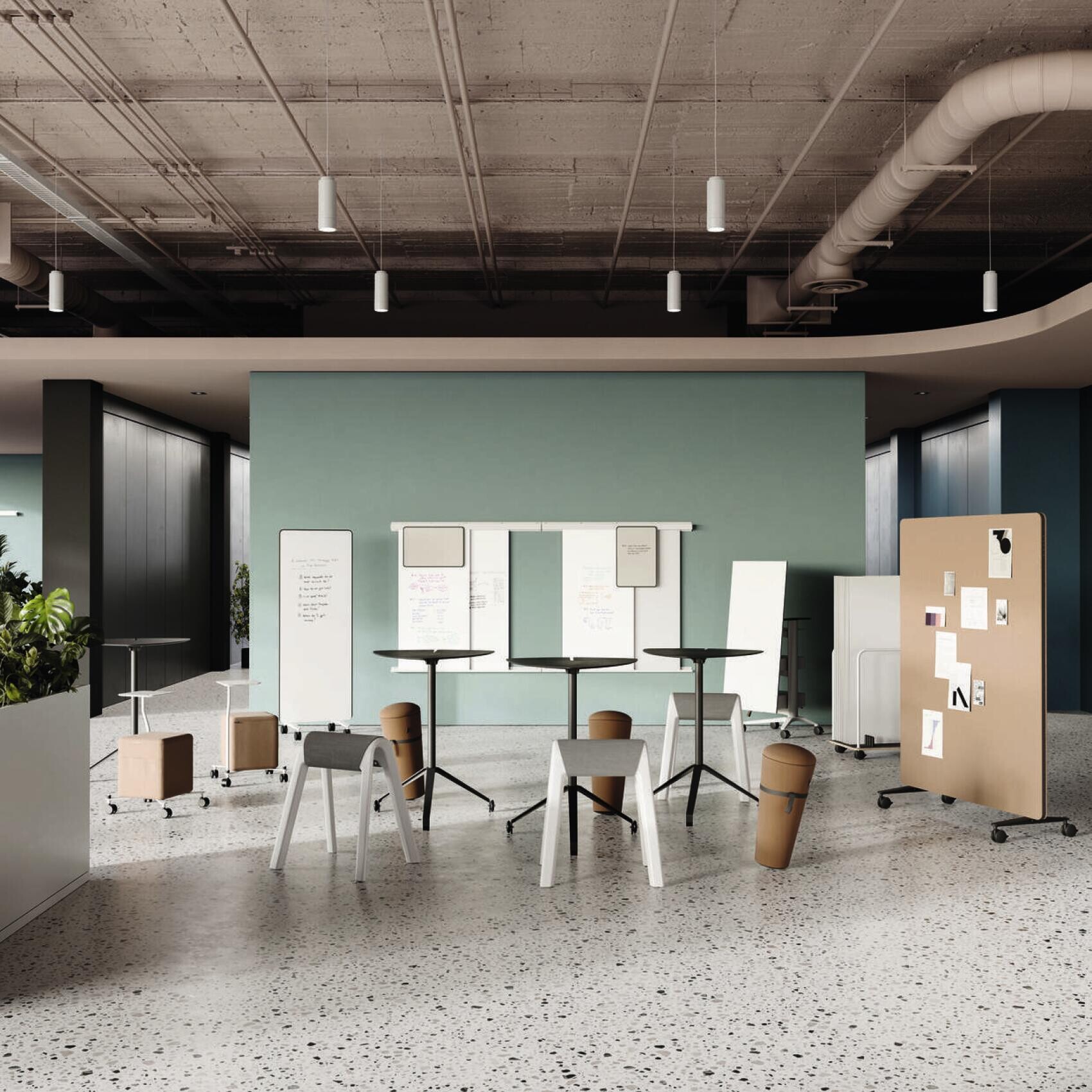
The WiChair is a perfect complement to another of Wilkhahn’s sustainability commercial furniture ranges, Confair Next. This design-forward, sleek and entirely modular range of accessories for meeting, conferences, engagement and collaboration spaces suits both analogue and digital workstyles.
From smart boards, powered lecterns and lightboards through to pinnable analogue white boards, side tables, stools and carts, the Confair Next range offers enormous flexibility for creating fluid, adaptable and professional spaces and zones.
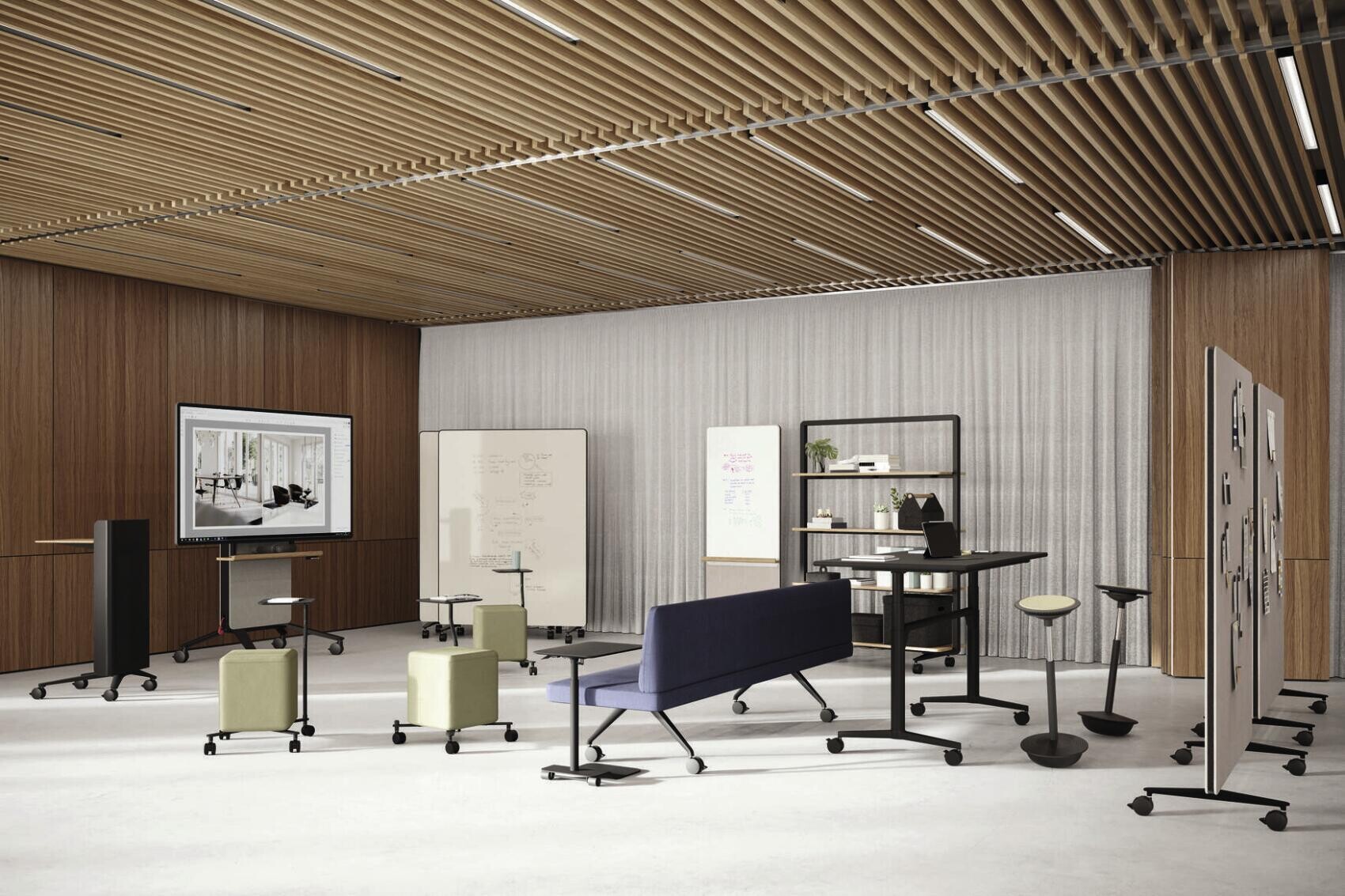
Panels optimised for acoustic performance can also be deployed easily as room dividers, delivering scalable space for breakouts, teamwork or focused concentration.
The superior quality of Wilkhahn materials and manufacture combines ease of use, robustness, functionality, aesthetics and repairability in every item. The mobility of every piece is part of an overall ergonomic approach, that ensures the details of form support workplace health and wellbeing. Rounded corners, fine details of sustainable timbers and an assembly approach that ensures every piece can be easily maintained make these both elegant and durable elements within commercial workplaces, education settings and conference and event venues.
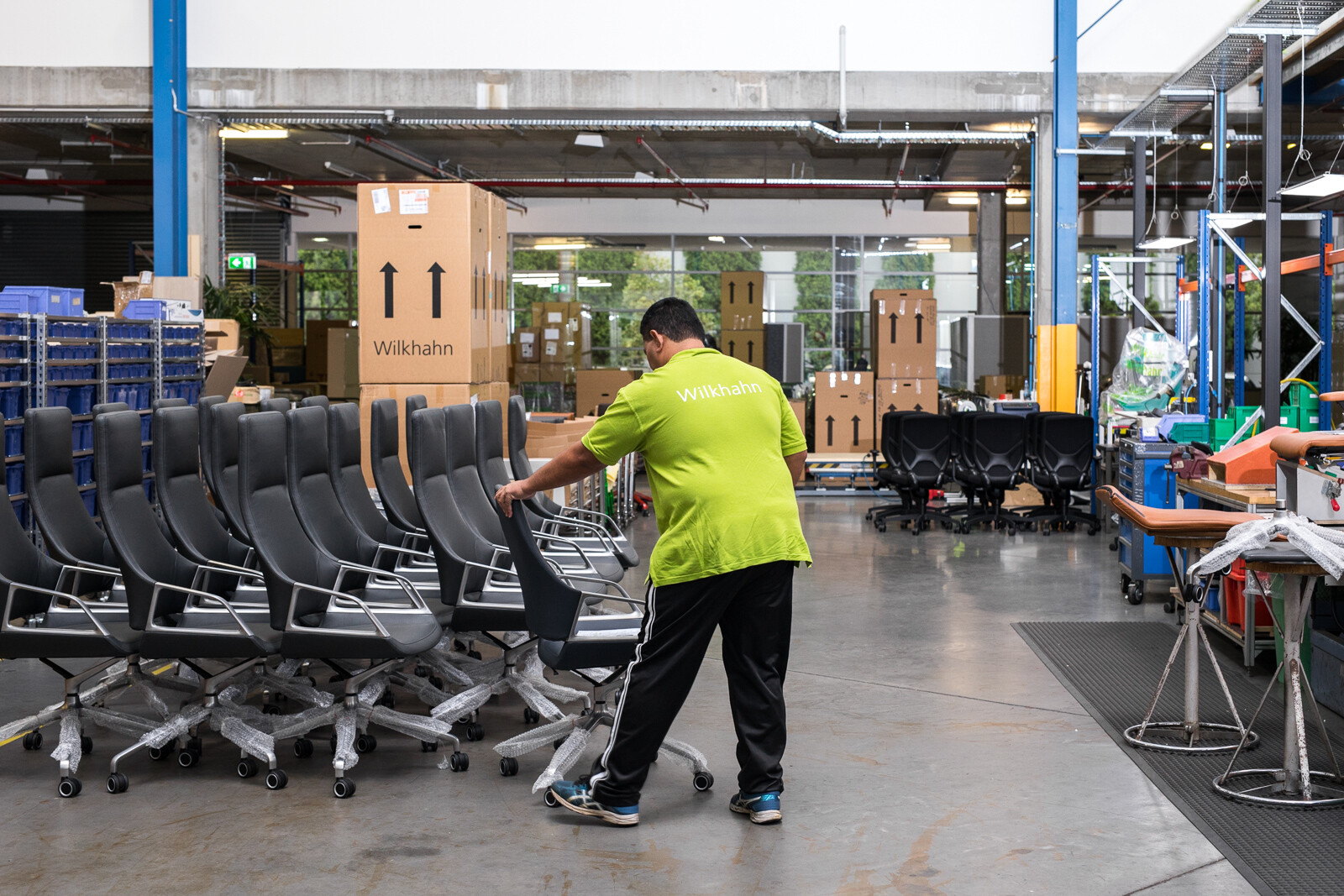
For over a century, Wilkhahn has been embedding ecological design principles in the approach to design and manufacture of furniture and accessories. The fundamental strategies of timeless aesthetics, less is more materiality and manufacture for repairability are also articulated through local production in Australia for the past 26 years.
The use of onshore facilities and skilled workers for the majority of product transformation including cutting, sewing, upholstery, and assembly of chairs and tables not only reduces transport-related emissions, it also enables Wilkhahn refurbishment programs to support extended product life.
“At Wilkhahn, we believe the most sustainable products are those that remain in the value stream for as long as possible,” said Adrian Nicolini, Managing Director at Wilkhahn Australia.
“WiChair and Confair Next exemplify this philosophy, combining timeless design with adaptability and local production.”
Confair Next is available in Australia now. The WiChair will be available in Australia in early 2026.