Get the latest design news direct to your inbox!
Ahead of Saturday Indesign, six architects and interior designers consider the assumptions that continue to shape homes, apartments and neighbourhoods – and the conversations the industry could be having more often.
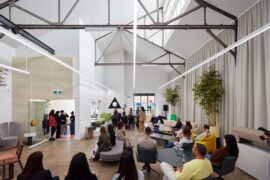
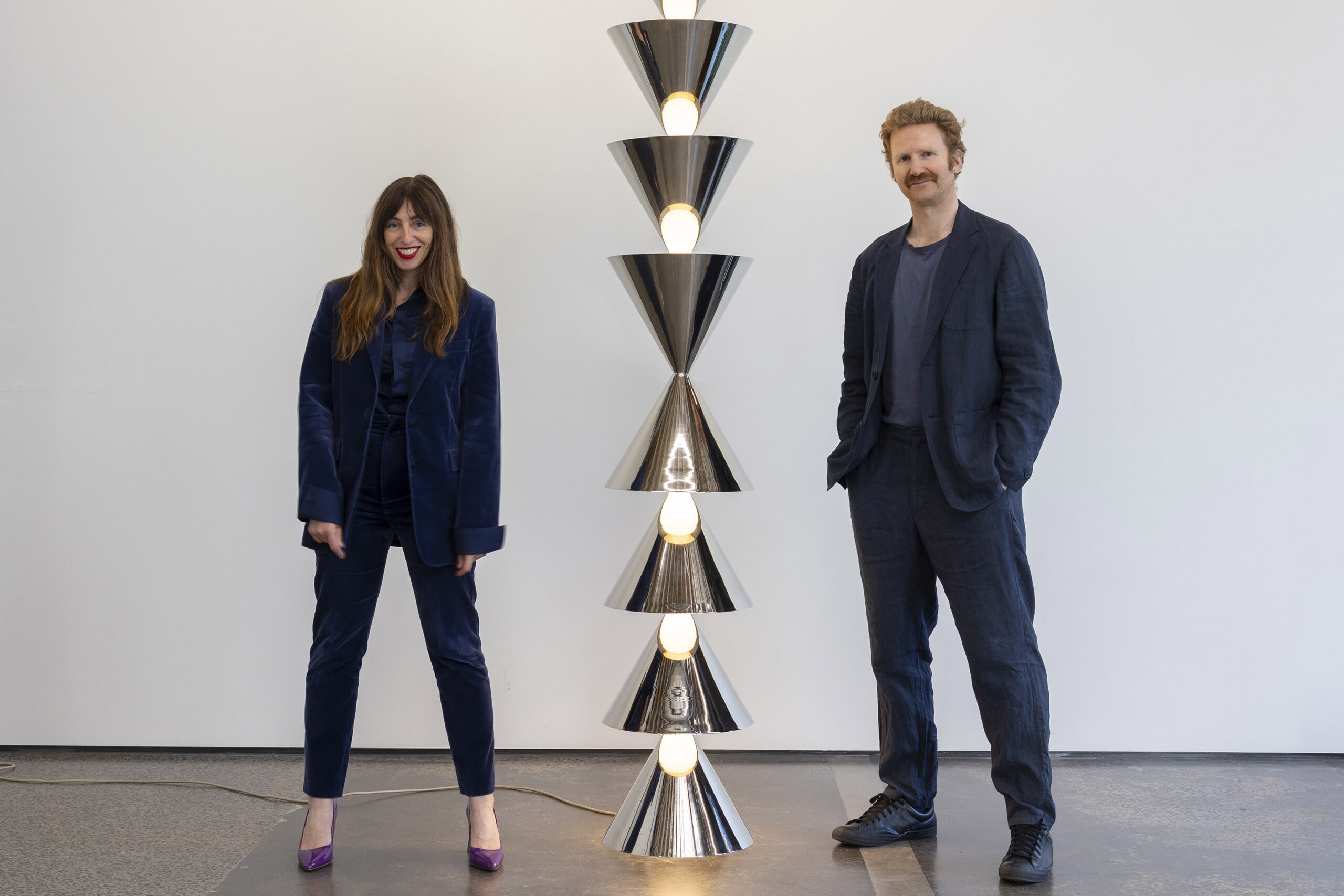
At dedece Sydney, Anna Lenti introduced the Chromatic Alphabet, a new design tool intended to make architects and designers less hesitant about working with colour.
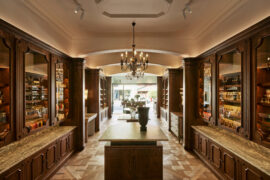
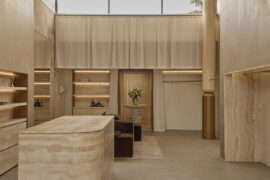
For Libertine Parfumerie’s new Armadale boutique, Tamsin Johnson looked to the warmth of the home and the rhythm of old-world shopfronts to make fragrance retail feel slower, richer and more personal.
At Materia, Maurie Novak tests Passivhaus against an expressive architectural brief, using his own St Kilda home to question what high-performance housing can look like.
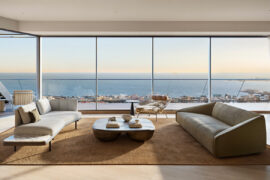
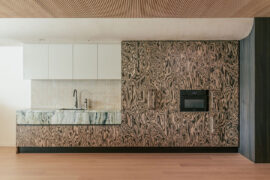
At Loller Street Apartments on Bunurong country, Mim Design’s interiors fuse with Telha Clarke’s modernist architecture, all while taking coastal cues from the bayside setting.
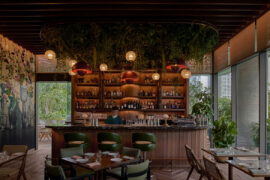
Ministry of Design crafts playful interiors for The Standard, Singapore, blending mid-century style with lush tropical luxury.
The final tower in R.Corporation’s R.Iconic precinct demonstrates how density can create connection — through a 20-metre void, one-acre rooftop and nine years of learning what makes vertical neighbourhoods work.
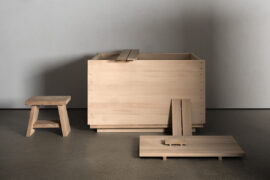
Designer-maker Simeon Dux creates finely crafted timber furniture with longevity, precision and heritage at its core.
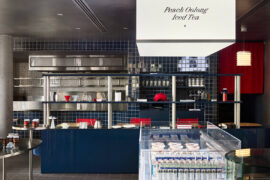
Suupaa in Cremorne reimagines the Japanese konbini as a fast-casual café, blending retail, dining and precise design by IF Architecture.
At Dissh Armadale, Brahman Perera channels a retail renaissance, with a richly layered interior that balances feminine softness and urban edge.
Jason Gibney, winner of the Editor’s Choice Award in 2025 Habitus House of the Year, reflects on how bathroom rituals might just be reshaping Australian design.
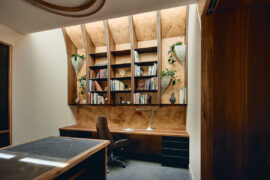
Trust sits at the core of Everton Buildings’ new office, where Ambit Curator was given licence to move beyond convention and deliver a workplace defined by vision, materiality and assured detail.