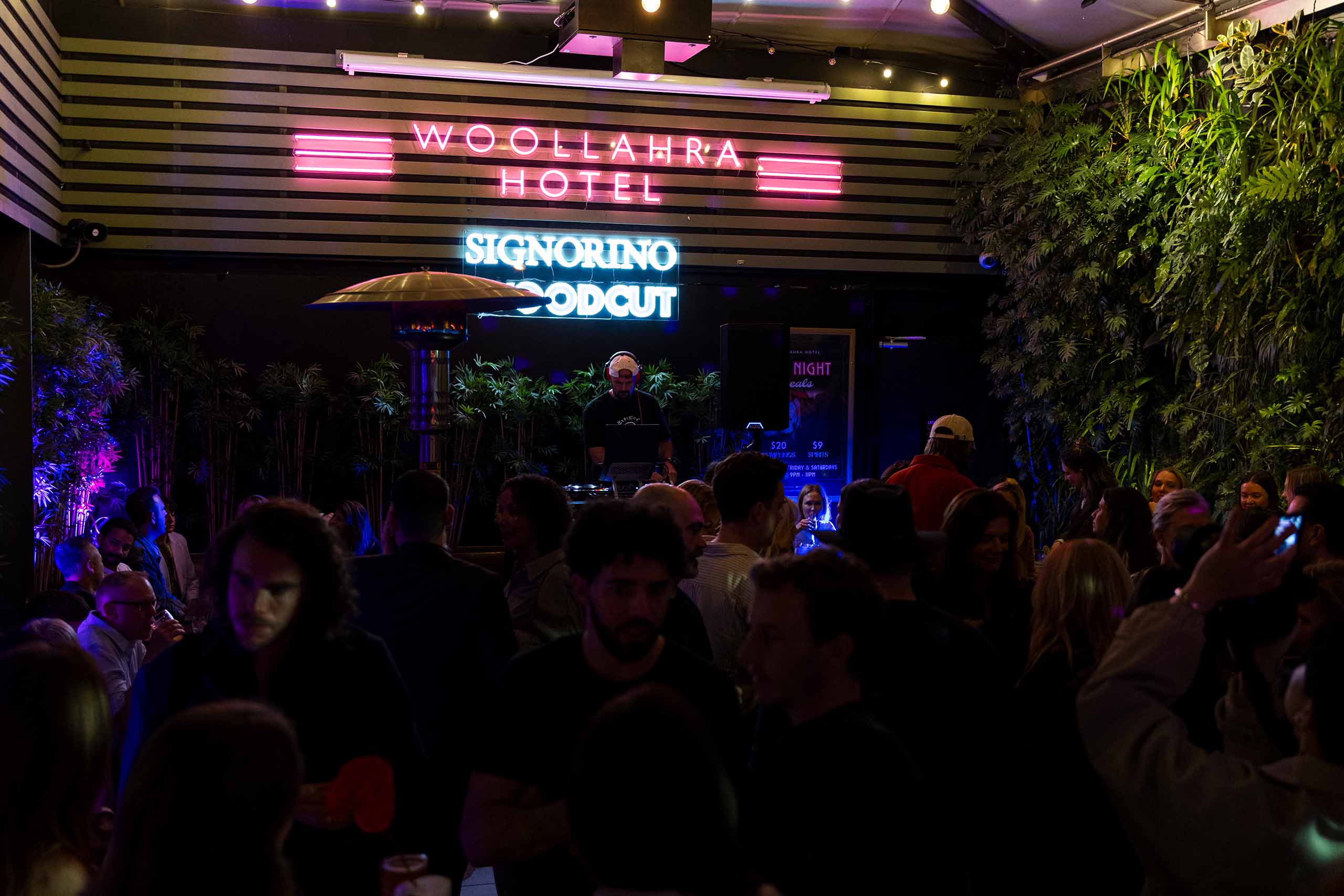
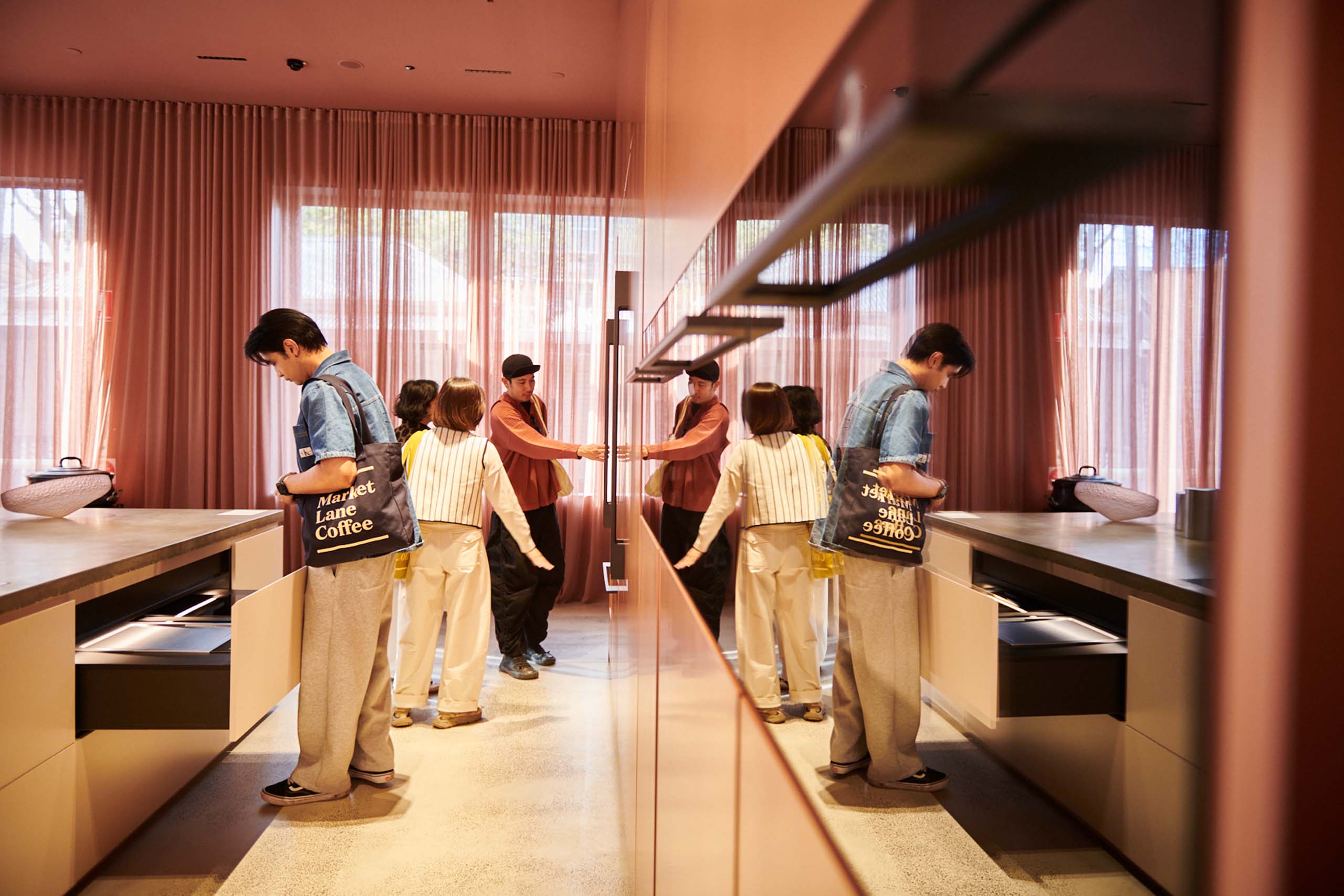
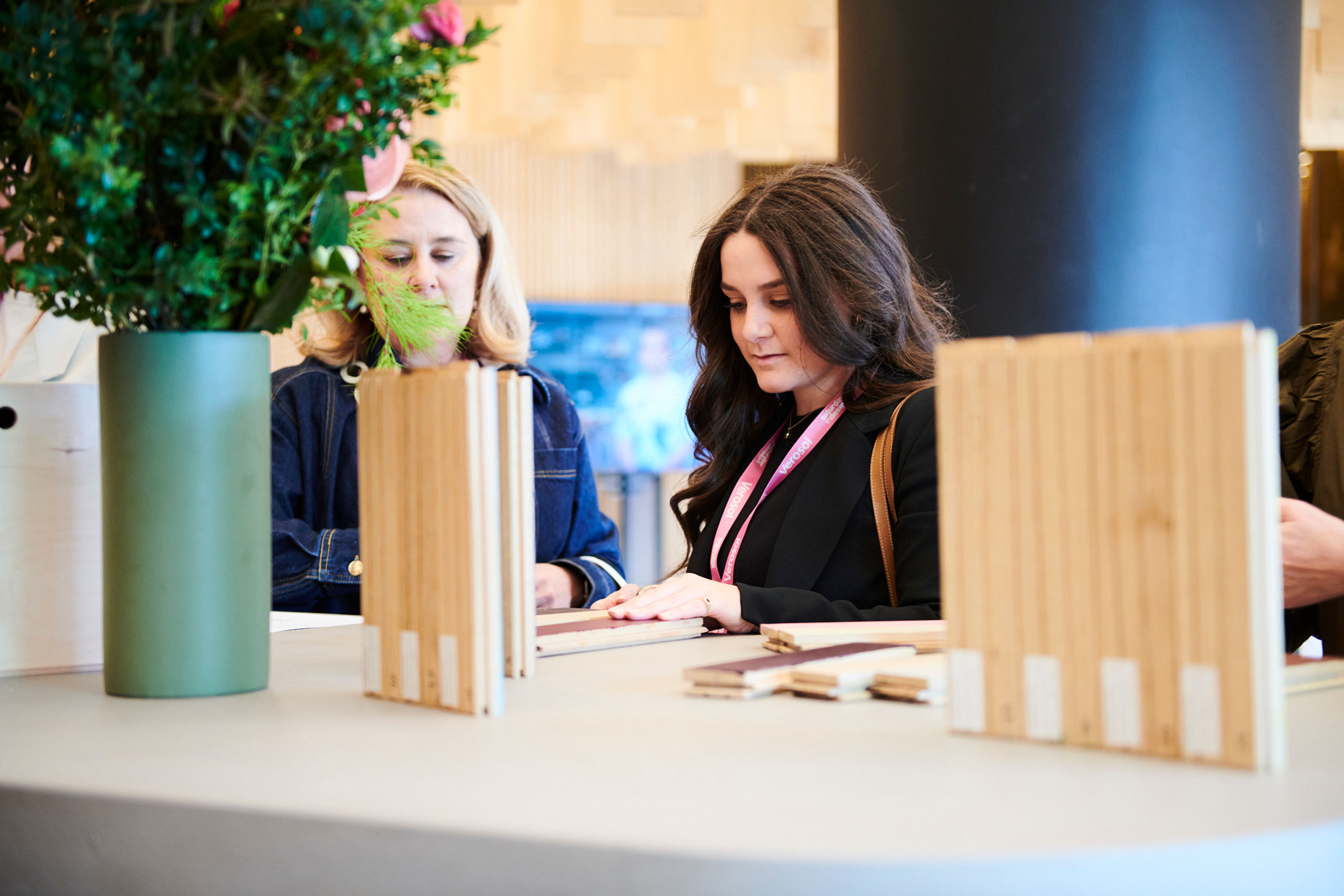
Some hundred people from the design and architecture community gathered at Grafunkt store last Thursday to celebrate the launch of Lifecycles collection, a special collaboration between design extraordinaire Nathan Yong and American Hardwood Export Council (AHEC).

A mini exhibition was curated to showcase this five-piece furniture collection crafted from three abundant yet under-utilised American hardwoods: cherry, hard maple and red oak. The thought-provoking collection challenges consumers to rethink familiar designs and redefine their assumptions about environmentally responsible design.
Yong’s aim is to create a feeling of strangeness and curiosity with these new pieces. He wants people to question the purpose and construction of each item, fostering a deeper understanding and appreciation of the world around us. Taking inspiration from the theory of Constructivism, Yong emphasises the importance of sociocultural learning and how individuals construct meaning through their interactions with the environment.

Environmental impact is a key consideration in the Lifecycles collection. Yong seized the opportunity to provoke the design community and consumers to question the true value of objects for nature, communities, and the planet. An environmental lifecycle assessment (LCA) was conducted to calculate the carbon footprint of each design. Unlike many materials, wood products can have a negative carbon footprint because trees absorb CO2 during growth and store it in the product.
The LCA study, commissioned by the American Hardwood Export Council and conducted by PE International (now Thinkstep), analysed the environmental impacts of American hardwood. It covered all processes from wood extraction to the manufacture of finished designs. Lifecycle‘s total carbon footprint is 1,257kg of CO2 equivalent, approximately the same as the average Singaporean’s emissions over 55 days or a one-way economy flight from Singapore to Sydney.
Related: Design Conversation: Sustainable development in the furniture industry

While the overall carbon footprint is relatively high for furniture made from American hardwood, there are factors contributing to this. The reliance on electricity from fossil fuels during manufacturing, the bespoke nature of the designs leading to higher trial and error emissions, and the lightweight nature of the furniture reducing the carbon offsetting capacity all play a role.
This project emphasises that minimising the environmental impact of design requires commitment from policymakers, designers, manufacturers, and consumers alike. At the launch, John Chan, AHEC Regional Director, highlighted the importance of considering the impact of our actions on the planet and climate change. He expressed gratitude to Yong and the manufacturer, Fowseng, for their participation in this project and believes it will contribute to the wider design community’s understanding of sustainable practices.

“The pieces from Lifecycles are more like artful objects than functional furniture,” said Yong. The thought-provoking collection challenges consumers to rethink familiar designs and redefine their assumptions about environmentally responsible design. By showcasing the low environmental impact of American hardwoods, this collaboration highlights the importance of sustainable design and responsible material selection in creating a better future for our planet.
Lifecycles can be seen at Grafunkt, 107 North Bridge Road, Funan #04-01 to 06, Singapore from 7th to 19th July 2023.
Video by Winston Chuang
Event photography by Wilson Pang