Earlier this year, Massimo Morozzi Designer, Architect and Art Director of Italian furniture group Edra, announced Trent Jansen as the recipient of the Space+Edra Design Residency 2010 at Space Furniture.
Space Furniture established the residency to cultivate local talent and bridge the manufacturing gap by connecting Australian designers with world-leading Italian manufacturers.
Jansen has come along way since the arduous application process. After making it through the first stage, Jansen had to present a portfolio to Massimo and a panel of judges at the Space showroom in Sydney.
Jansen remembers it as a daunting experience: “During my presentation he was very quiet and gave me the impression that he was not so taken with my work and philosophy,” reminisces Jansen.
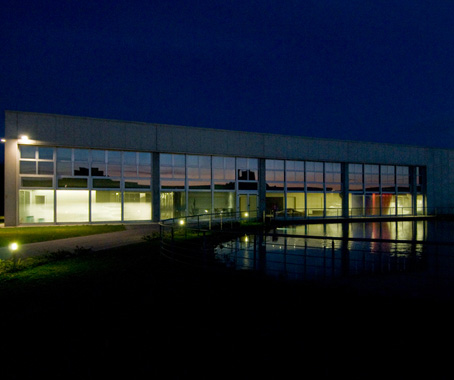
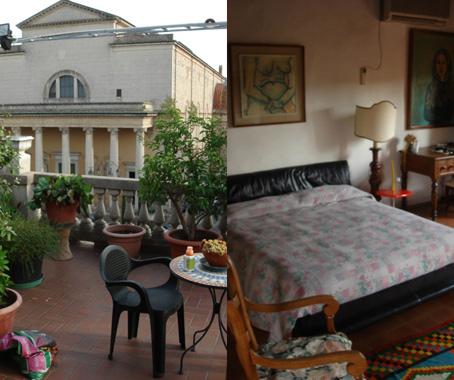
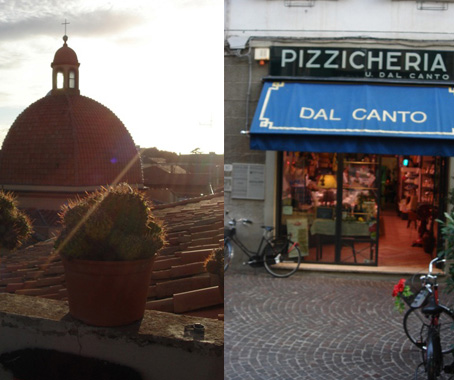
Jansen obviously did something right though because he is recently back from his 2-month residency with Edra at their Perignano headquarters in Italy.
“On my first day there Massimo took me on a tour of the showroom and spoke to me about one of the pieces that I had shown during my presentation,” says Jansen. “He set me the task of revisiting this idea in furniture, sending me on a slightly different tangent, so to hopefully provide something unique for Edra”.
Work aside, it was the people at Edra who made Jansen’s trip so memorable.
“Leonardo [Volpi, from the product development team] and I became very good friends, he would teach me Italian every morning on the way to work and I was lucky enough to meet his wonderful family for a Sunday dinner one weekend,” says Jansen.
“I spent one Saturday with the entire Mazzai family on their boat, just off Spiagia Bianca, they made an amazing lunch and we drank Italian wine in the sun.”
Most noticeable to Jansen, is how the Italian way of life imposes itself on people’s attitude towards design.
“Whether it is food or fabrication, things in Italy are made regionally, so if you need something made in terracotta you go to a specific hillside and speak to families who have been using that material for centuries”, explains Jansen.
“The majority of makers in Australia do not have this same sense of family pride attached to their work and as a result many of our makers do not take their jobs as seriously as designers would like”.
Space Furniture
spacefurniture.com.au
Trent Jansen
trentjansen.com