The home of architecture and design in the Asia-Pacific
Get the latest design news direct to your inbox!

Get the latest design news direct to your inbox!
Have your say, be heard. It’s your turn, so Speak Up! Design and ’sustain-ability’

April 1st, 2009
 |
“Sustainability needs to be addressed holistically in terms of the ability to sustain” – Nora Kinnunen
|
Speak Up is a new response and opinion-style article on indesignlive where you can have your say and begin a discussion. If you’d like to be heard, submit a comment below.
In issue #32 of DQ magazine readers were asked the question: “Are designers paying lip service to sustainability when they continue to design for mass production?”
Responses were published by Tim Collins and Trent Jansen (click here to read the article). However, the topic has gone on to raise issues on the nature and future of sustainable design.
In this first ‘Speak Up’ on the new indesignlive, Nora Kinnunen furthers the discussion.
“To explore issues of sustainability we first need to understand the ontological nature of design, and that designers themselves are designed by mass produced objects.
To recognise this is also to recognise that all product designers are implicated in mass production, making it hard to argue that ‘mass production is not something that we will ever be involved in’.
The responses to this question also illustrate the current accepted view that sustainability is merely about making products more sustainable – using sustainable materials and production methods.
While considering sustainability in this functionalist sphere, impact reduction solutions may be implemented, but the enquiry of what needs to be sustained is never addressed.
Designing, particularly for mass production, requires a different level of sustainability thinking than is currently being discussed here.
Sustainability needs to be addressed holistically in terms of the ability to sustain – or to borrow a term from Australian design theorist, Tony Fry – sustain–ability.
Sustain-ability is not about techno-fixes, rather it is about understanding our material culture and asking what it is that needs to be sustained.
We need to replace the traditional notion of functional sustainability with a more encompassing understanding of the material, social and cultural implications of our designing actions.”
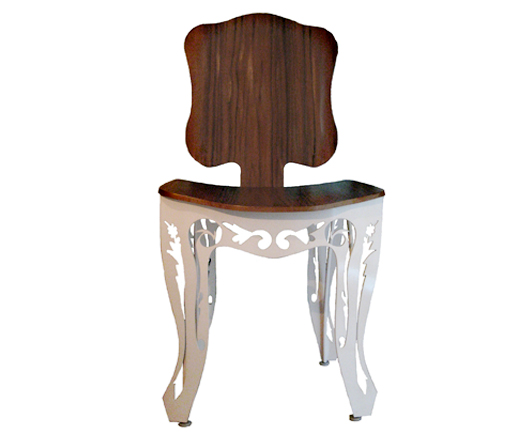
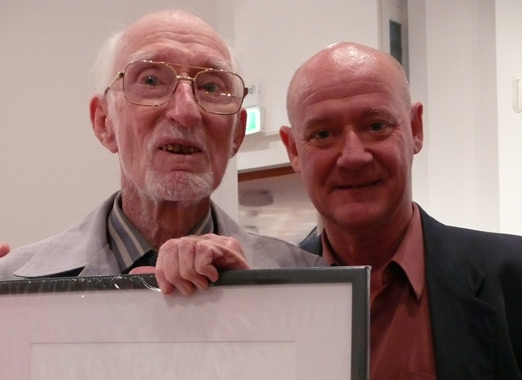
Nora Kinnunen is a furniture designer at Deka Furniture, a Brisbane-based furniture design, manufacturing and retail company.
INDESIGN is on instagram
Follow @indesignlive
A searchable and comprehensive guide for specifying leading products and their suppliers
Keep up to date with the latest and greatest from our industry BFF's!
The internet never sleeps! Here's the stuff you might have missed