Wine Time… Etc
Published
By
jesse
At each of the two Etc Wine boutiques in Hong Kong, customers will only find one variety of wine – in this case, red (Bordeaux) or champagne. The intention is simple: to give customers a deeper cultural understanding of the wine in question, and bring a new and immersive experience to the whole browsing, tasting […]
At each of the two Etc Wine boutiques in Hong Kong, customers will only find one variety of wine – in this case, red (Bordeaux) or champagne.
The intention is simple: to give customers a deeper cultural understanding of the wine in question, and bring a new and immersive experience to the whole browsing, tasting and purchasing process.

In both stores, Kokaistudios has designed distinctive environments that endear, tease and cultivate (which is where Etc derives its name).

The interiors are elegant and intentionally devoid of any traditional or romantic notions.


Handcrafted materials are given a modern interpretation as seen in the incorporation of hand hammered marble at the fireplace, on the counters and walls, while particular attention has been given to a sustainable lighting system based entirely on LED. To further the forward-looking approach to wine retail, touch screens and various multimedia platforms offer new and innovative ways to experience and learn about wines.


In each, a tasting room also features a custom made tasting station that supports the various wine appreciation courses that are held in the store.

Each store interior is designed with the specific wines in mind – the champagne store offers a lighter and brighter atmosphere as compared to its Bordeaux cousin. In the latter, customers can also start their wine journey by breathing in seven key aromas found in Bordeaux wines at the “Aromaster” installation near the entrance.
Kokaistudios
kokaistudios.com
Latest Projects
QLD
Living outside the box
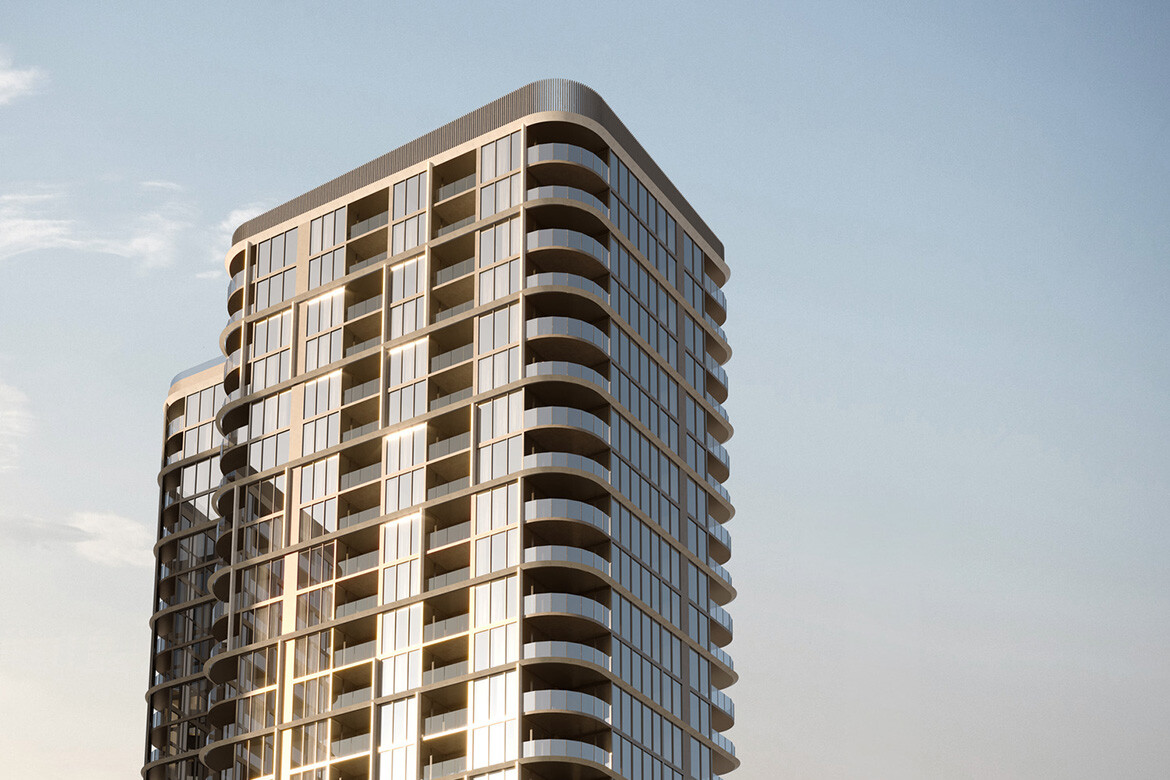
At Northshore Hamilton, Plus Studio’s Danny Juric is looking beyond the apartment tower as an isolated object, drawing on mature trees, Brisbane’s subtropical climate and the rituals of outdoor living to shape Duet.
Project
A civic gateway for Pakenham
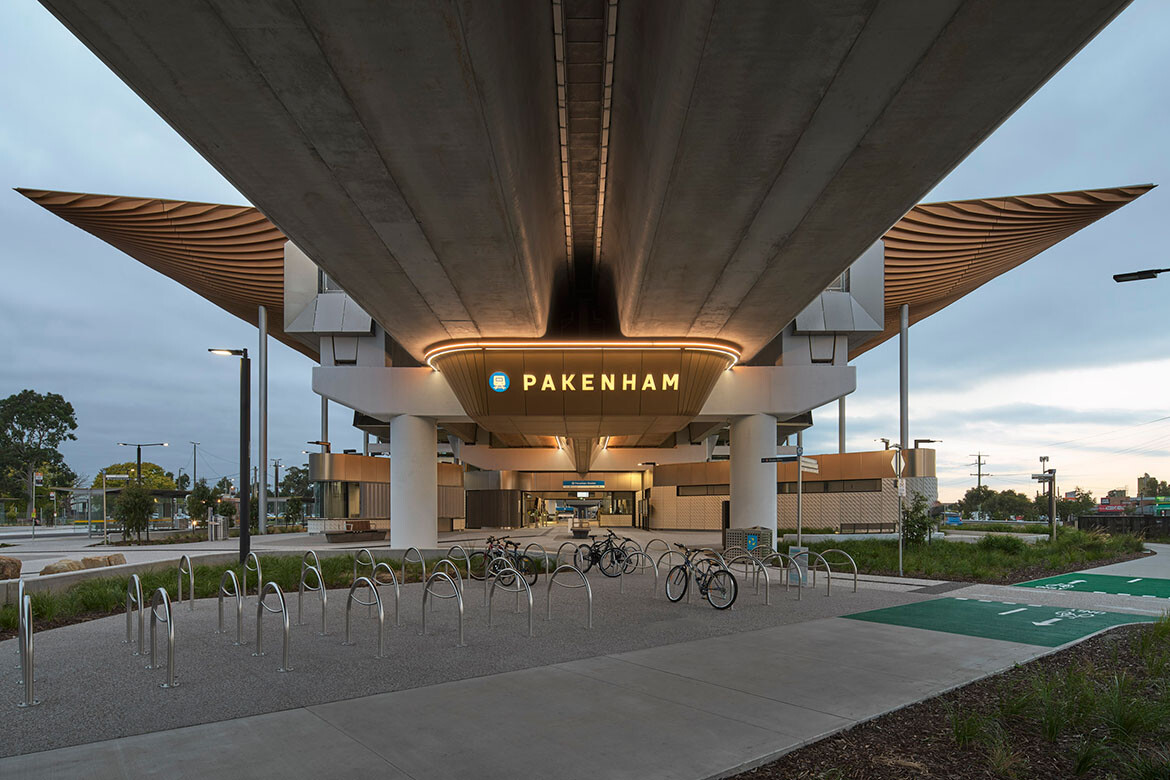
Genton’s Pakenham Station transforms a utilitarian transport interchange into an open civic landmark, reconnecting the town through landscape, public space and infrastructure designed around Country.
Workplace
Per atria ad astra
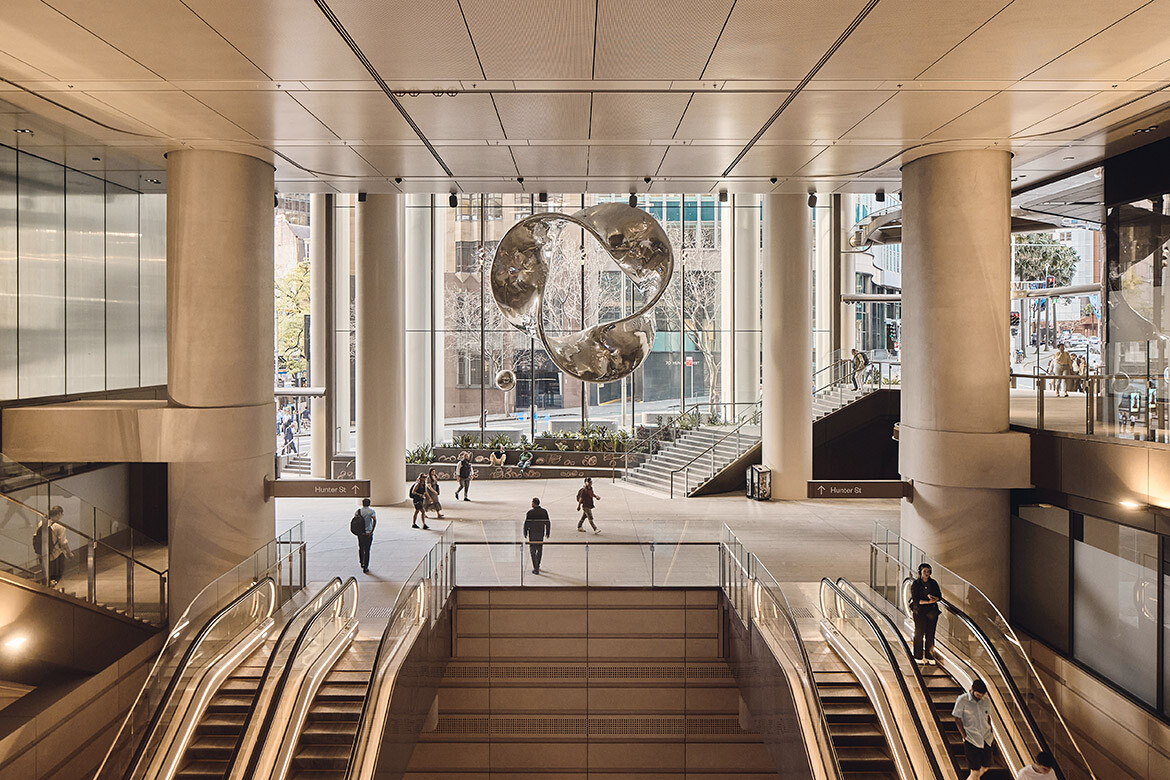
In the very heart of Sydney’s CBD, 1 Elizabeth is a vast civic-scale project that integrates workplace design, transport infrastructure, event spaces, and hospitality around some dramatic void spaces.
Workplace
Seidler, Nervi and fjcstudio walk into an office tower
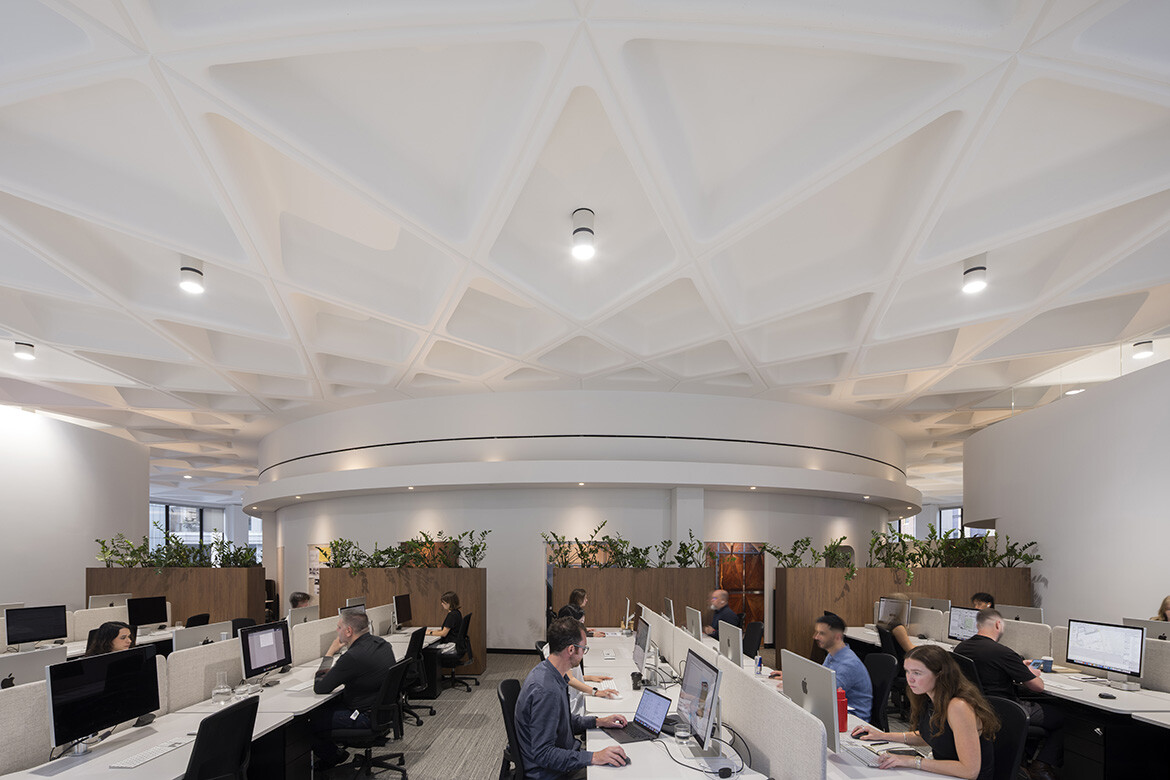
Set within hallowed architectural surroundings amidst the ghosts of Harry Seidler and Pier Luigi Nervi, fjcstudio’s new Sydney home brings geometric clarity and a spirit of creative exchange to a challenging workplace fit-out.