This is the first piece from indesignlive’s new London correspondent Alaana Fitzpatrick (former Editor of DQ magazine). This month she introduces us to a temporary addition to London’s nightlife…
In a little lane behind London’s Angel tube station, hidden amongst the industrial steel workshops, the Double Club is a gem worth fossicking for. But you’d better be quick, as it’s only around for a good time – not a long time.
The latest project by Fondazione Prada, dreamed up by German artist Carsten Höller, the Double Club appeals to the ever-fickle crowd of creatives and socialites in the bustling global city. And its success lies in the approach. Rather than trying to lure them in as loyal patrons, the Double Club exploits the fact that those in the know move on quickly, and allows just enough time for word to spread before it will shut up shop.
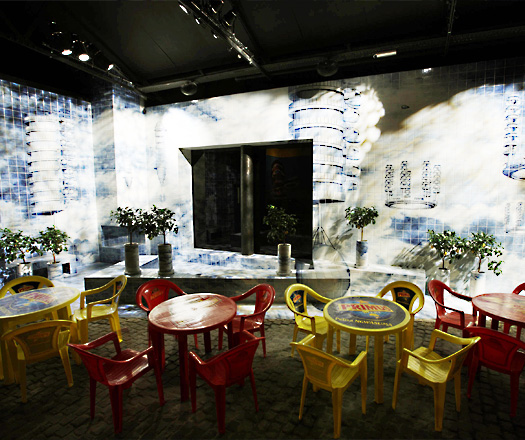
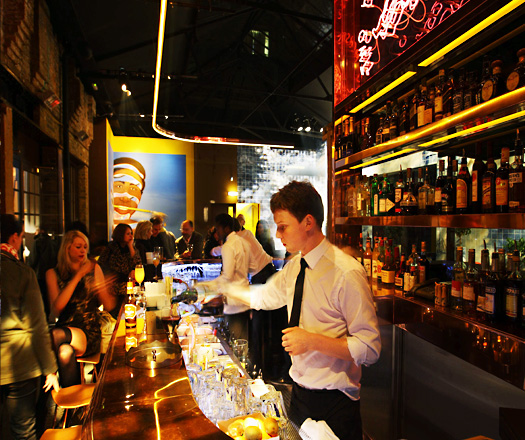
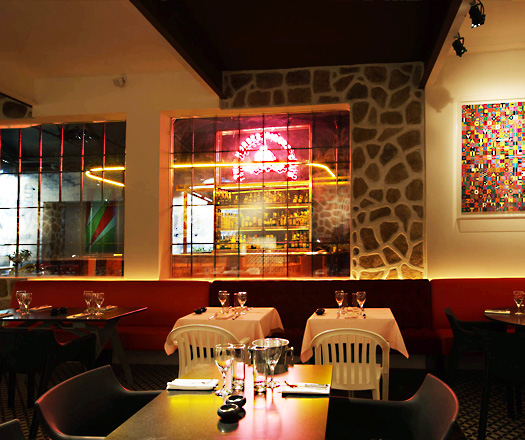
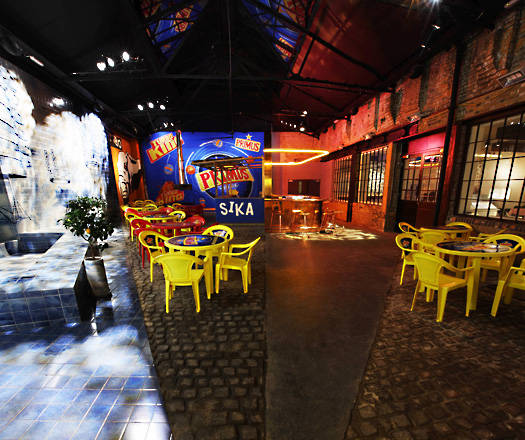
Opened towards the end of 2008, this dynamic space is an assault on the senses. Excessive colour, texture and contrast are almost too confronting to take in all at once – yet somehow it blends perfectly. It is divided into bar, restaurant and dance club, and each is split down the middle and designed to represent disparate ways of life; “creating a dialogue between Congolese and Western contemporary music, lifestyle, arts and design”.
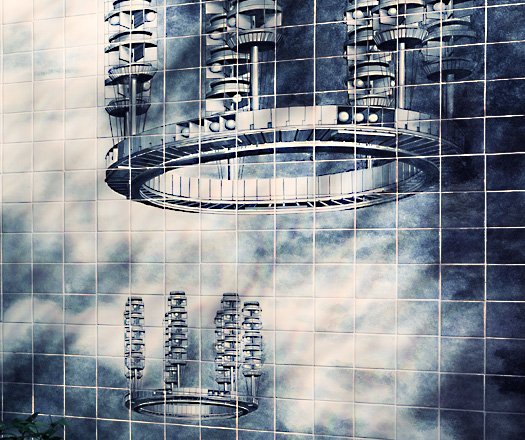
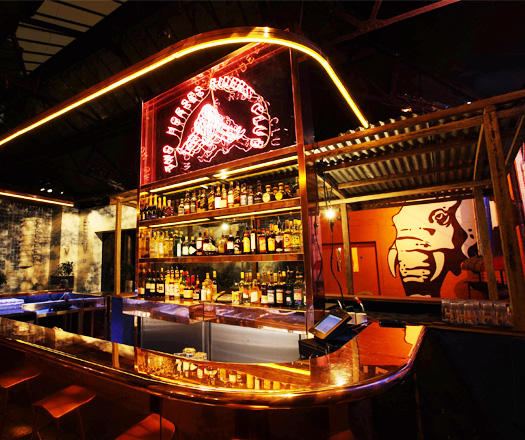
The intensity awakens something inside, and the buzz of the patrons – drifting from the “congo” spaces back to the “west” – draws you into another world. Enter the bar where Portuguese azulejo (painted decorative tiles) line the wall and floor marking out the ‘garden space’, while in the background your eyes are drawn towards the neon lights and copper bar announcing “Two Horses Riders Club”.
Enjoy a few drinks here, or head upstairs to the rotating dance floor where the music alternates from Western styles to Congolese Rumba, Wenge or Ndombolo depending on what half of the space the DJ has revolved into.
A seemingly extravagant concept, the Double Club is a not-for-profit organisation. A portion of the profits raised in its six-month duration will be donated to the City of Joy charity – dedicated to helping abused women and children in the Congo.
The Double Club
thedoubleclub.co.uk