The home of architecture and design in the Asia-Pacific
Get the latest design news direct to your inbox!

Get the latest design news direct to your inbox!
Turning a series of historic cargo sheds into Melbourne’s new riverside hospitality precinct involved looking to the past as well as the future.
February 6th, 2012
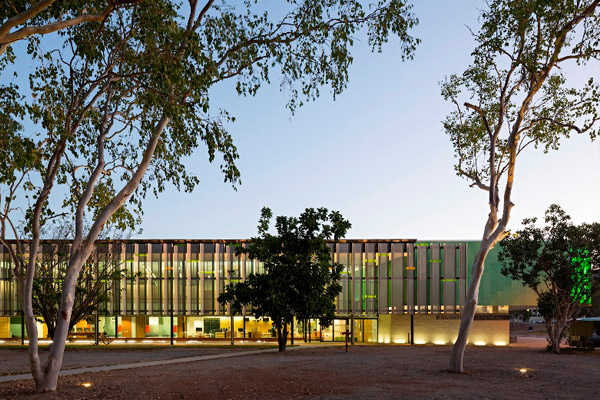
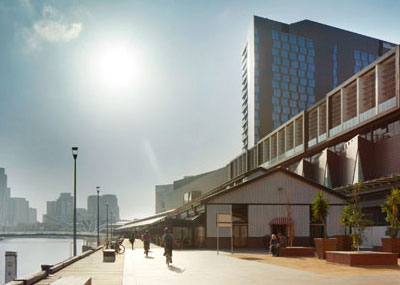
Six years in the planning and restoration, South Wharf Promenade has breathed new life into a series of cargo sheds on the banks of Melbourne’s Yarra River.
The historic cargo holds, juxtaposed against the contemporary façades of the Melbourne Convention and Exhibition Centre and the Hilton Hotel, are currently being transformed into hospitality venues that promise to turn the area into a contemporary dining hotspot.
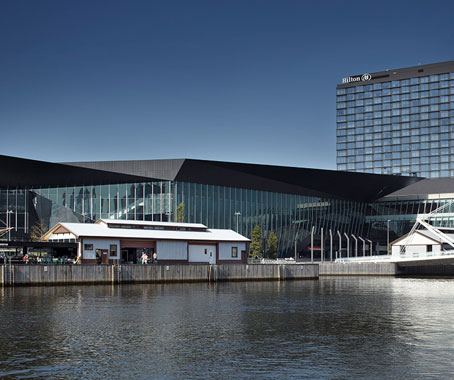
Heritage architect Bruce Trethowan was brought on board to advise on the restoration process of the historic site, which was to keep many of its original features while accommodating modern design elements to facilitate long-term use.
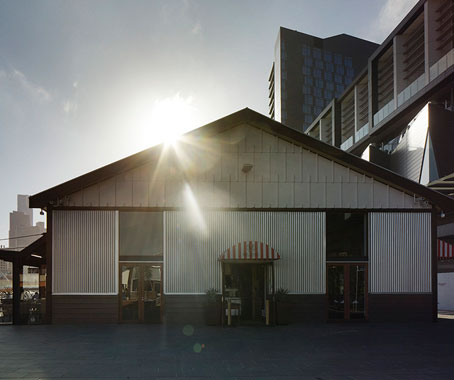
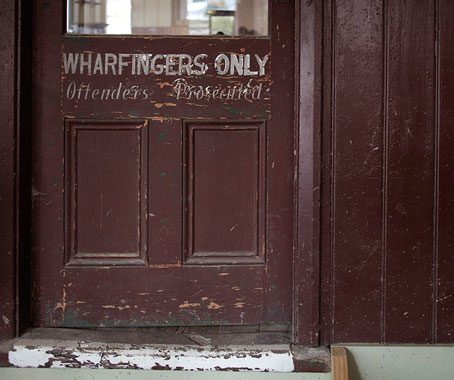
“They really had to be made into a feature of the overall area,” says Bruce Trethowan of retaining the beauty and history of the original structures, some of which were originally built in 1884, as well as incorporating them into the surrounding contemporary complex.
“[The sheds] were getting more and more degraded with ad hoc additions and changes. The idea was to integrate them into the overall development, and at the same time use them to make a nice public walkway between the warehouse and the convention centre, where you’re protected from a lot of the wind, and keep the cargo sheds as venues for dining and all the sorts of things that make the area lively. So they’re a perfect complement to each other.”
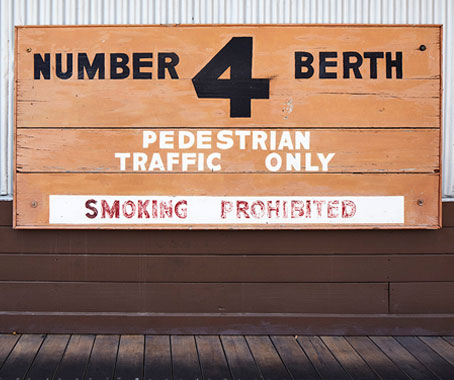
The cargo sheds were restored to appear as they had between 1930 and 1938. The process proved challenging; the entire wharf was raised by 30cm during restoration, so that some of the structures were taken apart completely and reconstructed following the addition of new floor structures. One of the sheds, rather than being taken part, was rolled off site, fixed up and rolled back into place.
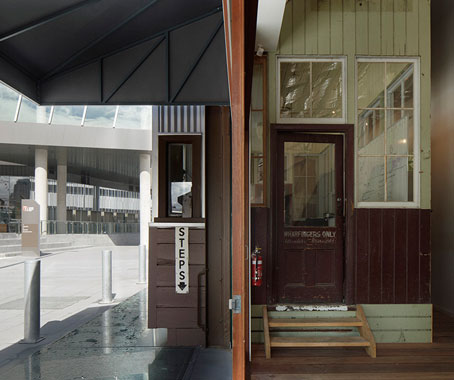
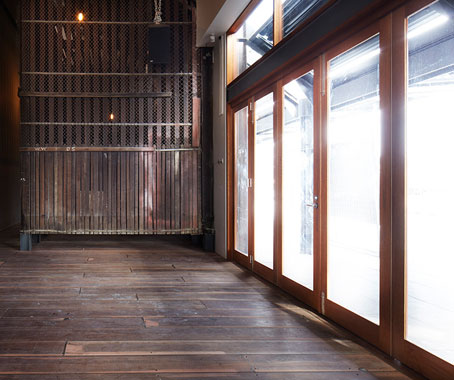
Consistency and unity were key to the project.
“The idea was to give them all the same colour scheme, so that everyone recognised that they related to each other, rather than forming a disparate series of buildings,” Trethowan explains.
Restored heritage fixtures and fittings retain the history of the place; where possible, materials salvaged during the restoration process were reused. New materials, required to bring the structures in line with their new use, give a contemporary touch that doesn’t detract from the overall effect.
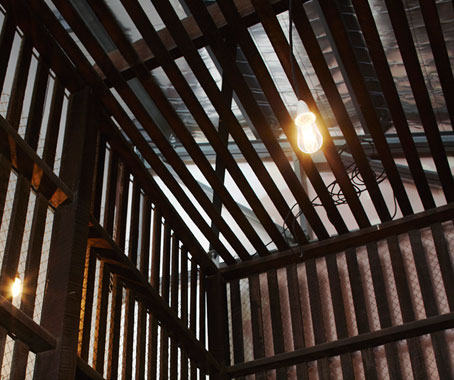
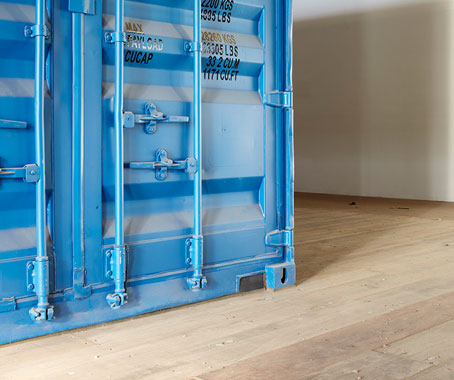
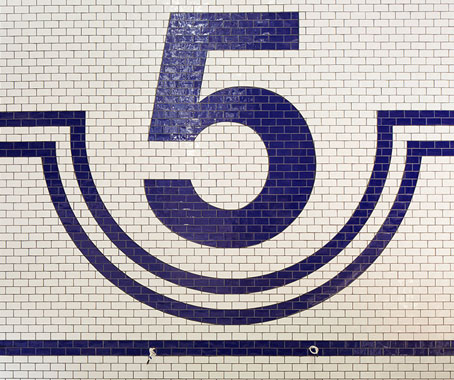
“The satisfying thing is, the sheds are looking a little more cared for, but they don’t look so pristine that you can’t appreciate that they’ve been there since the 1930s or earlier,” Trethowan says.
Trethowan Architecture Interior Design
trethowan.com.au
South Wharf Promenade
southwharfpromenade.com.au
INDESIGN is on instagram
Follow @indesignlive
A searchable and comprehensive guide for specifying leading products and their suppliers
Keep up to date with the latest and greatest from our industry BFF's!
The internet never sleeps! Here's the stuff you might have missed