The home of architecture and design in the Asia-Pacific
Get the latest design news direct to your inbox!

Get the latest design news direct to your inbox!
The collaboration between Nexus Designs and Cultivated challenge conventional design practices, offering tangible solutions for the industry’s sustainability challenges.
July 17th, 2025
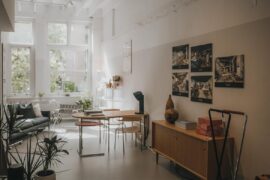
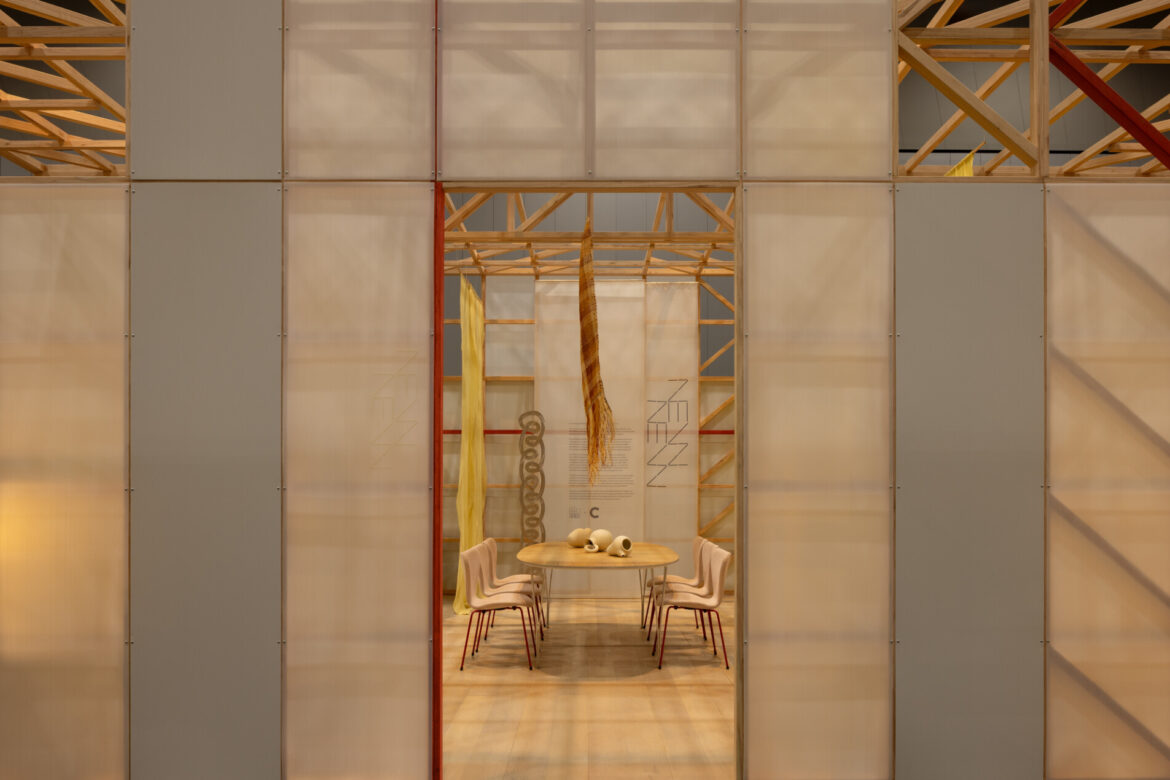
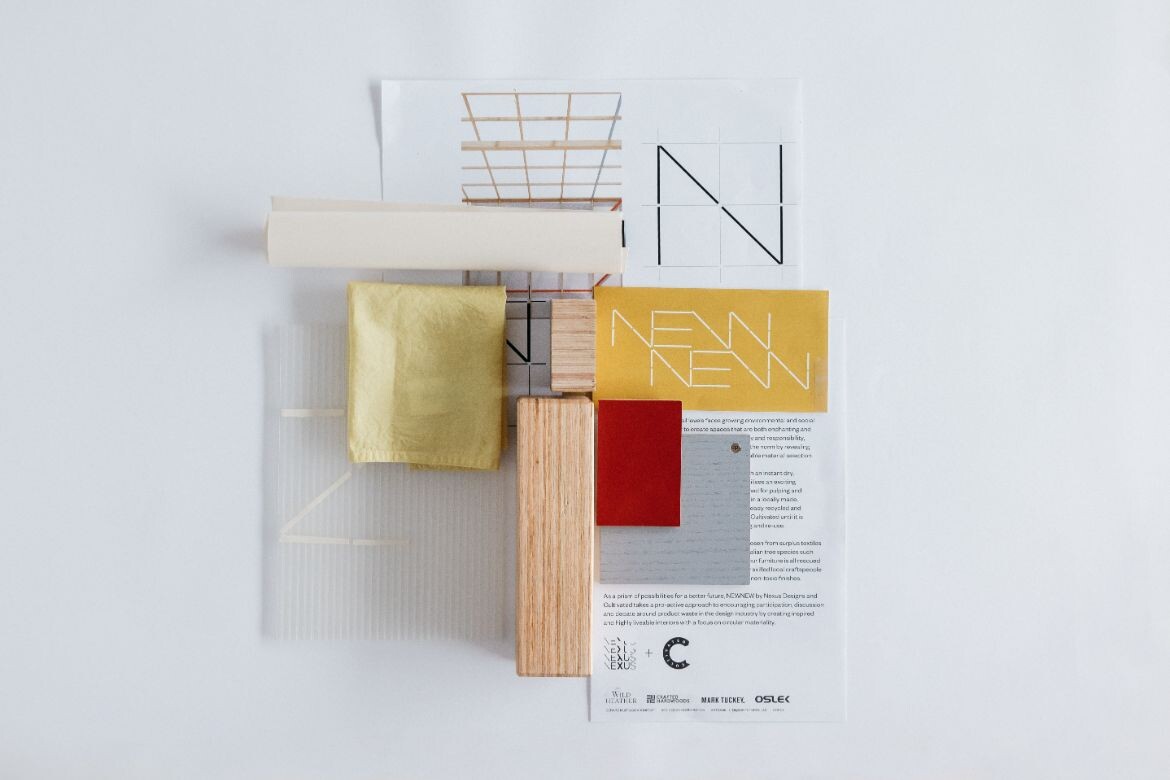
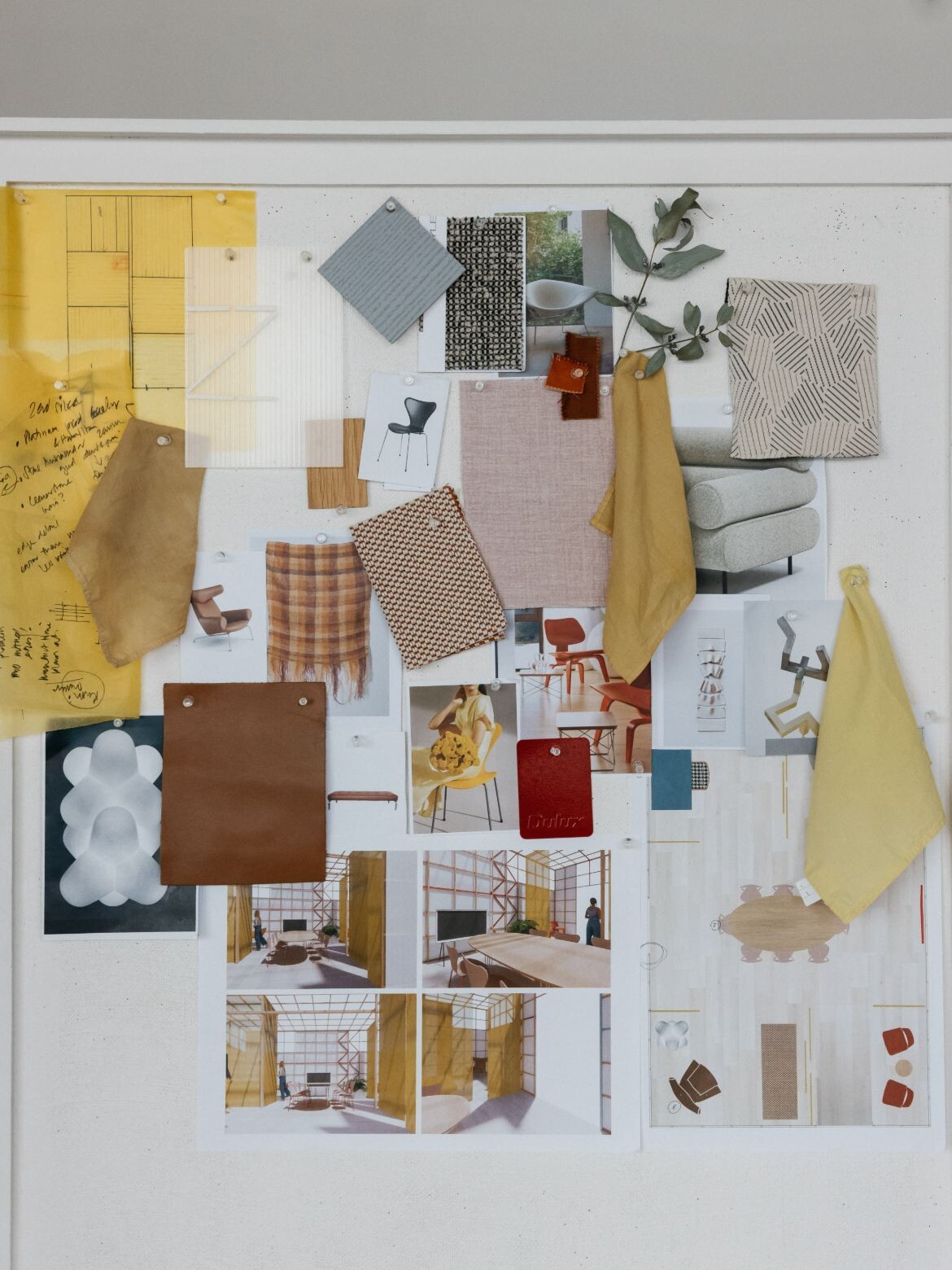
Nexus Designs, with Cultivated, will reveal NEWNEW, a modular pavilion, at this year’s Green Design Show, running from 16th to 18th July. The pavilion will demonstrate how iconic furniture destined for landfill can be repurposed into elevated residential interiors by adopting circular design principles. Designed as domestic-scale ‘rooms’ – dining, study, lounge – the installation demonstrates real-world residential applications.
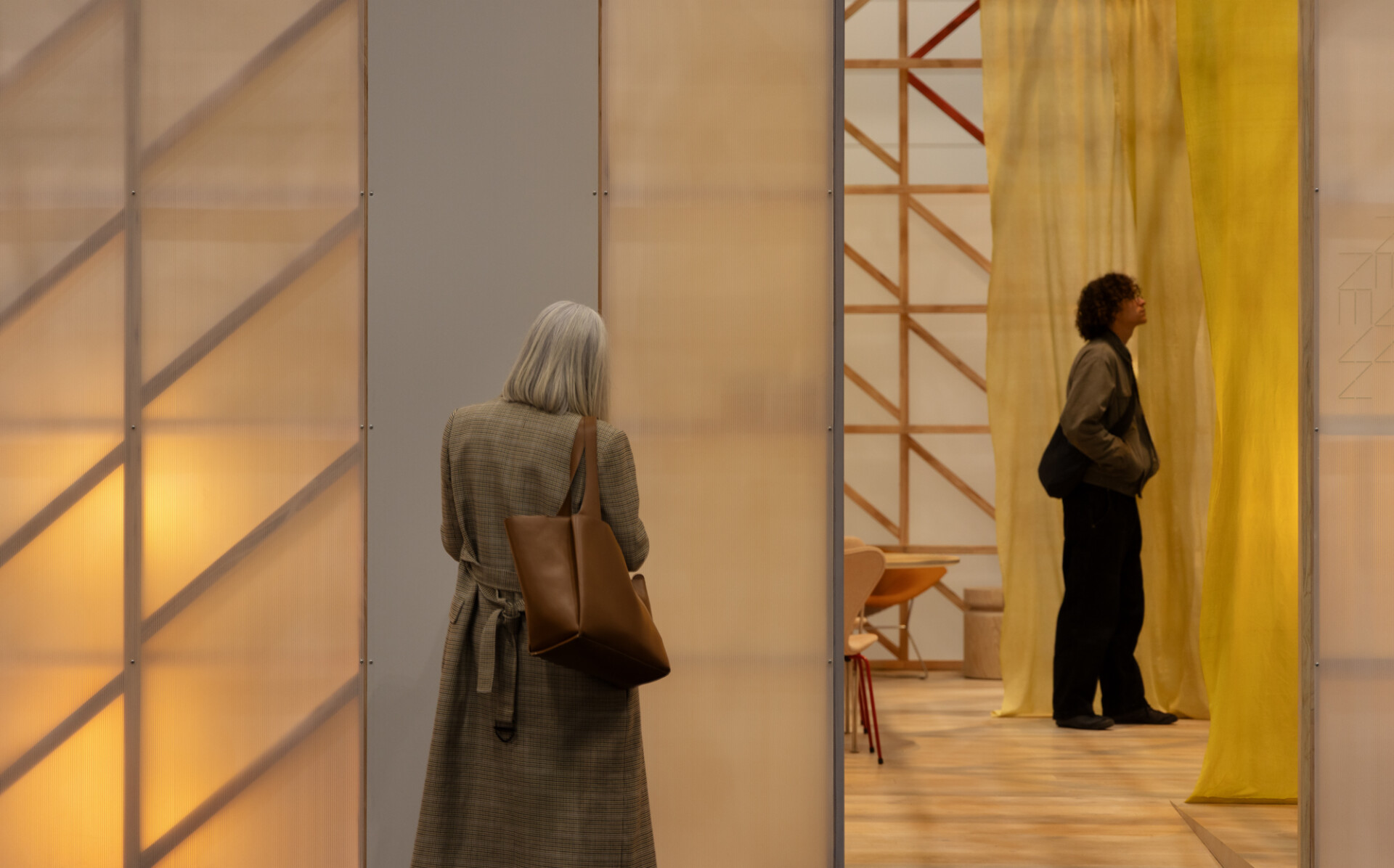
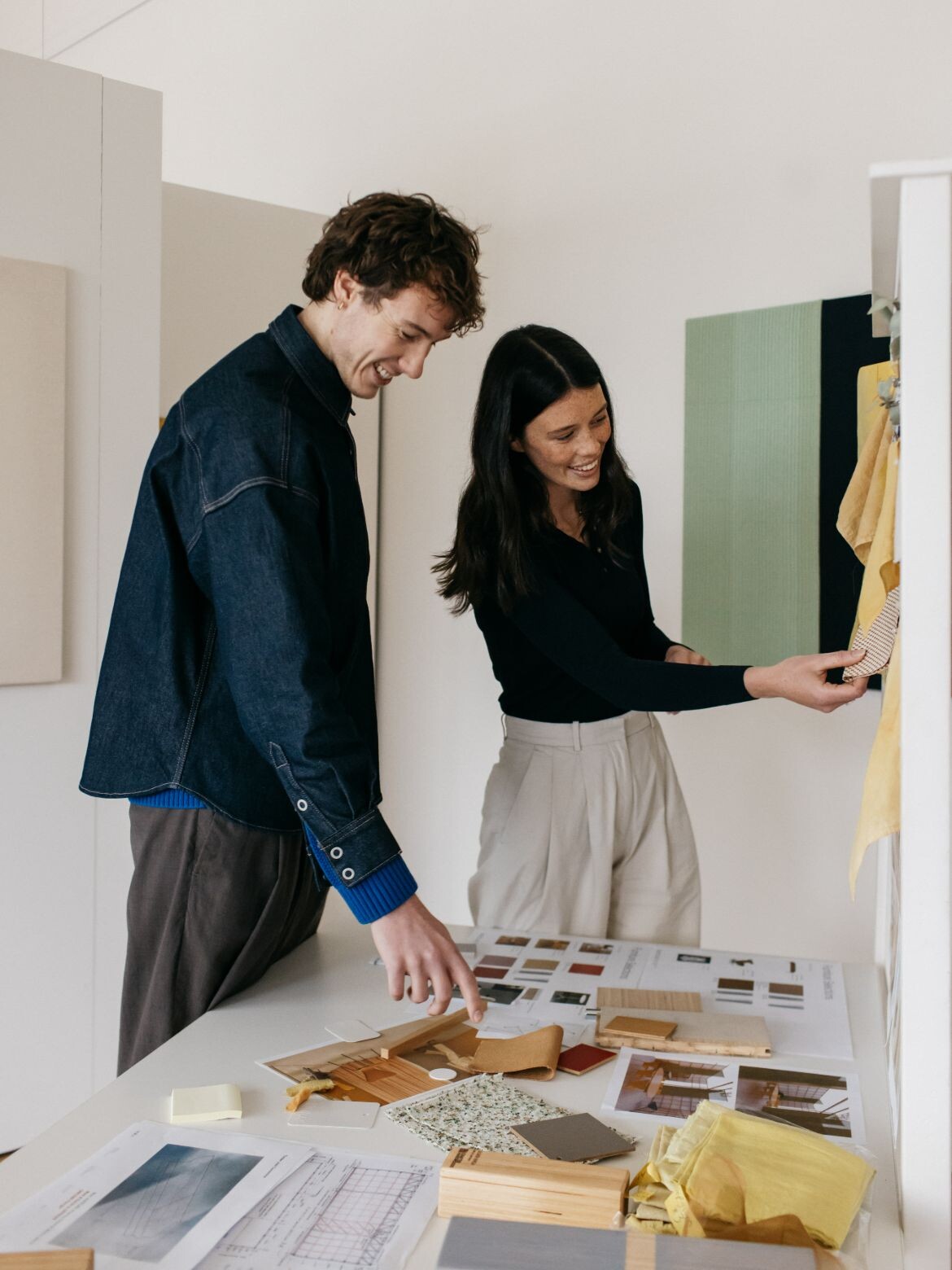
“NEWNEW is a platform to explore circularity and design with greater intention – considering the full lifecycle of materials and the impact of our choices,” comments Sally Evans, Nexus Designs Director. “Our role was to interrogate, curate and reimagine – from selecting each piece to specifying sustainable finishes and collaborating with local artisans. Our aim is to inspire and encourage our peers in the industry to ask the right questions when specifying products – whether that’s around takeback schemes, or ethics and longevity.”
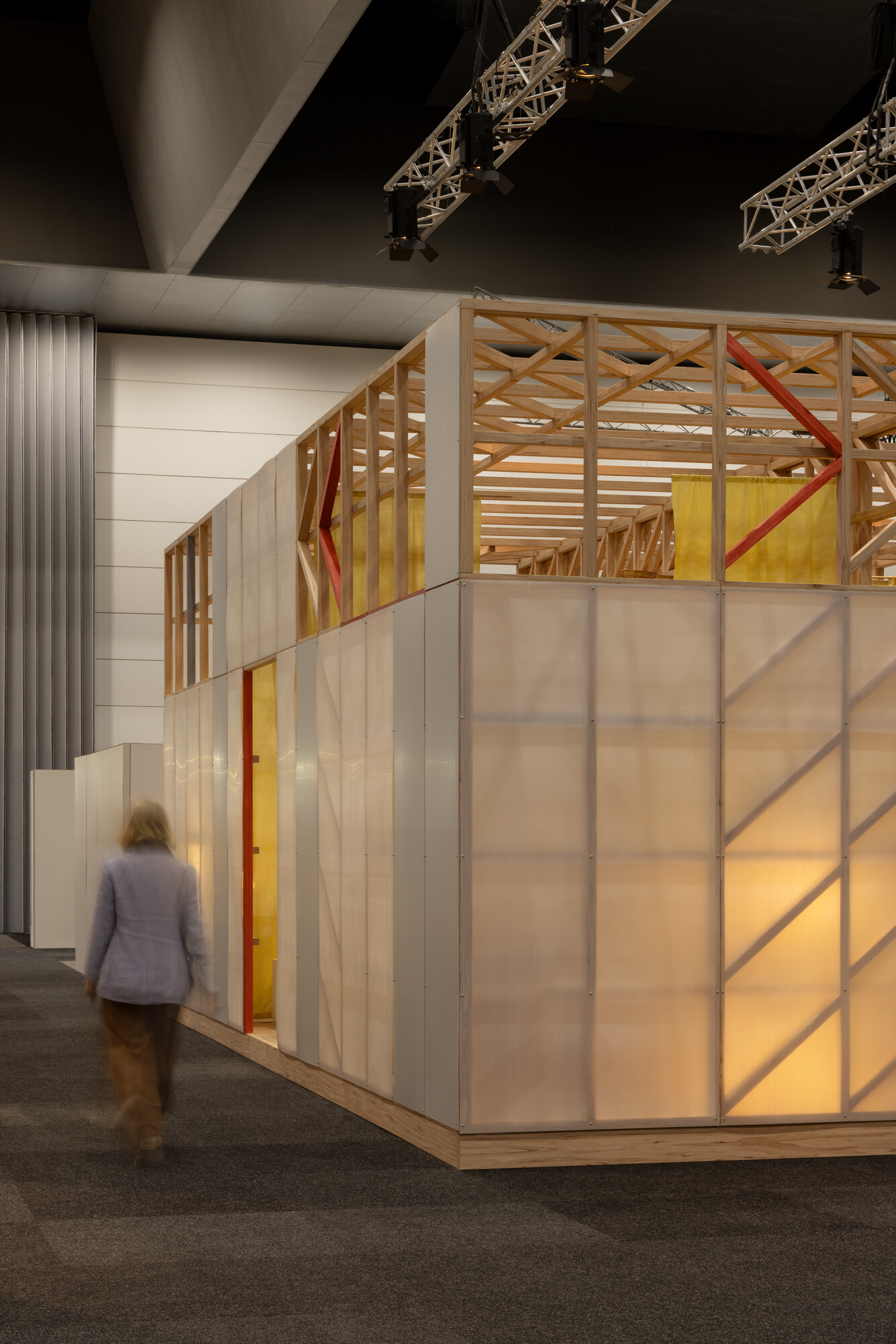
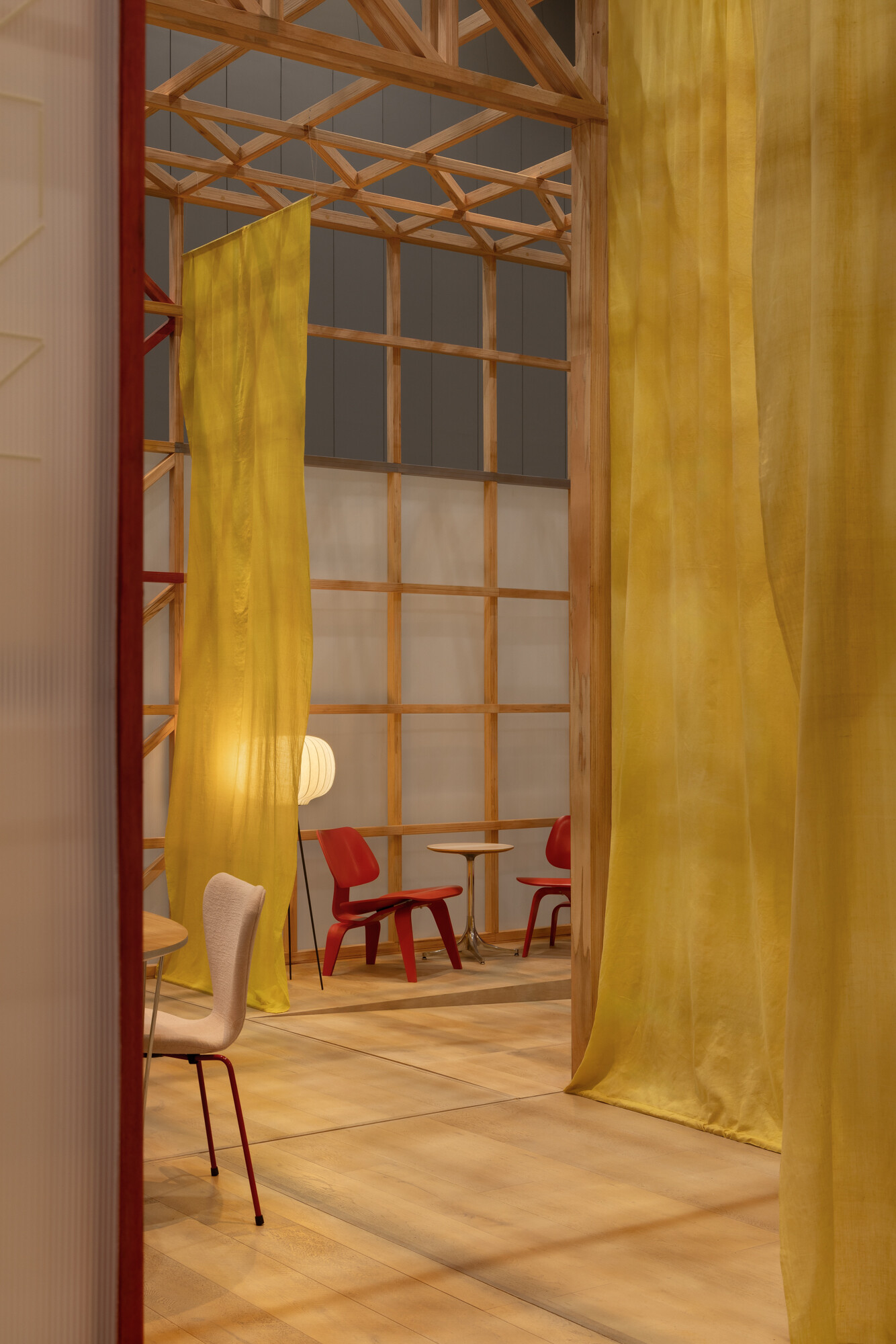
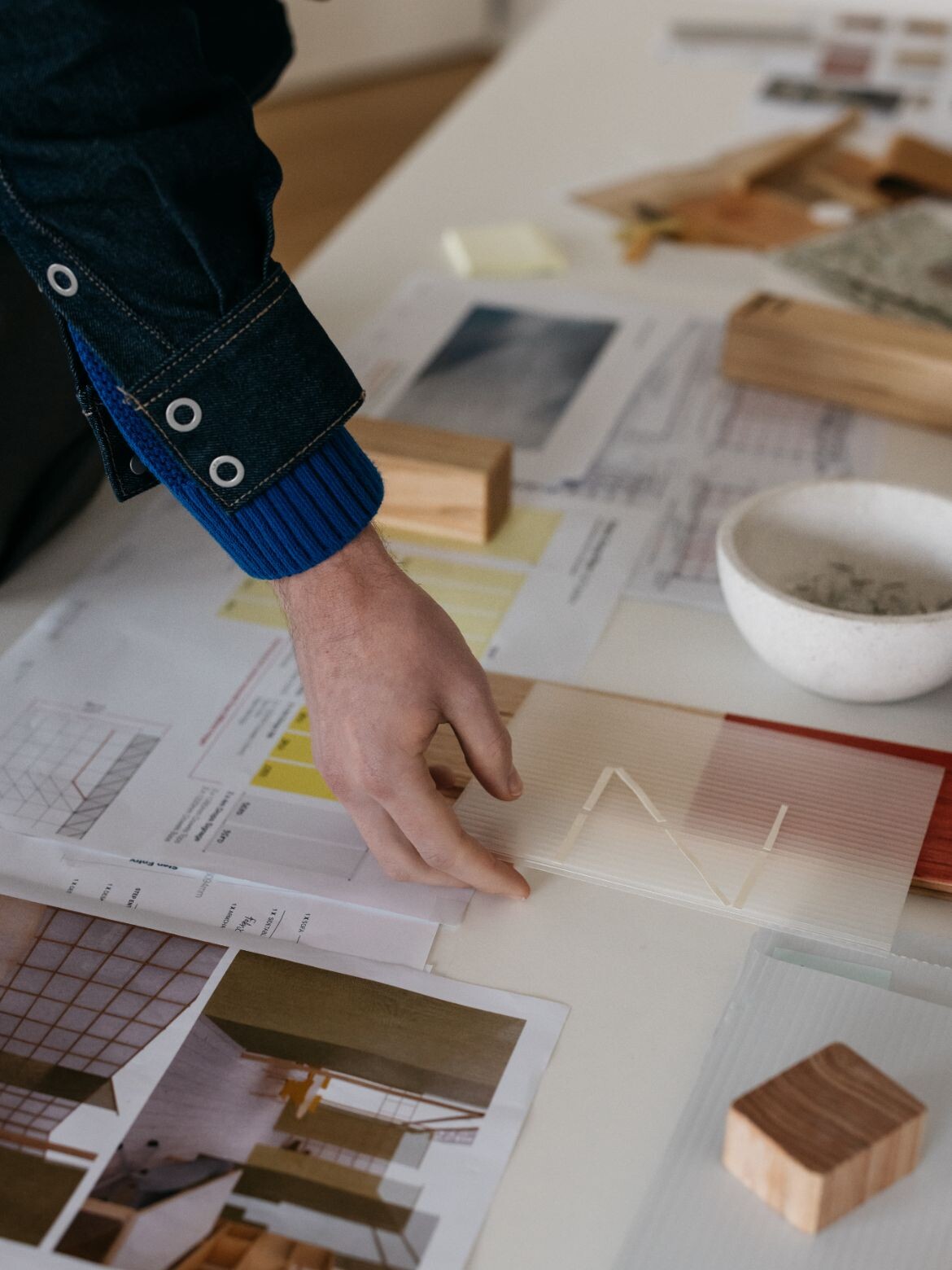
The pavilion itself represents circular principles through its construction by revered furniture maker Mark Tuckey and local timber innovators Crafted Hardwoods. Designed for complete disassembly, it was initially constructed at the Cultivated Thornbury workshop before being deconstructed and rebuilt onsite. Additionally, flooring created from reclaimed timber from Mark Tuckey’s showroom and translucent cladding made from recycled polypropylene contribute to the pavilion’s closed-loop materiality.
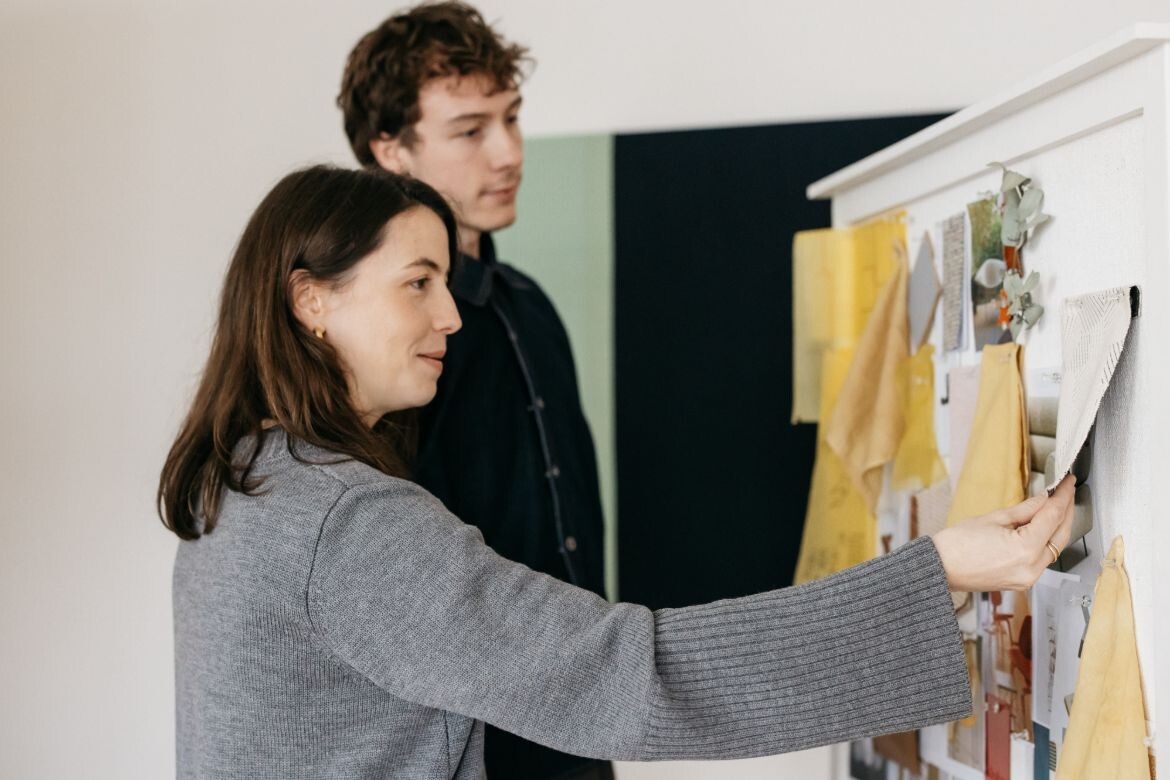
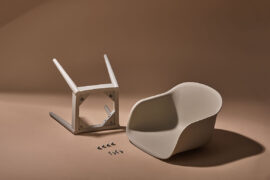
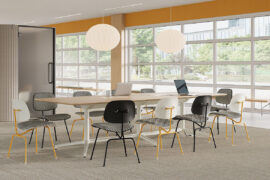
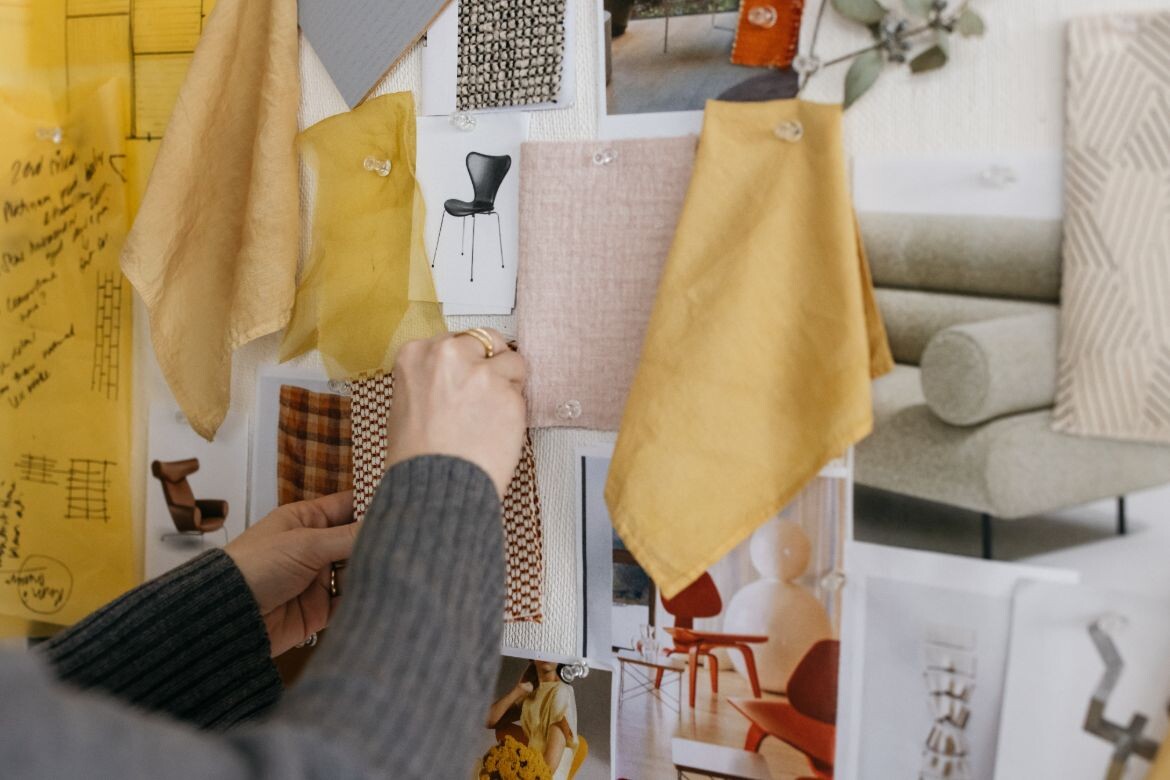
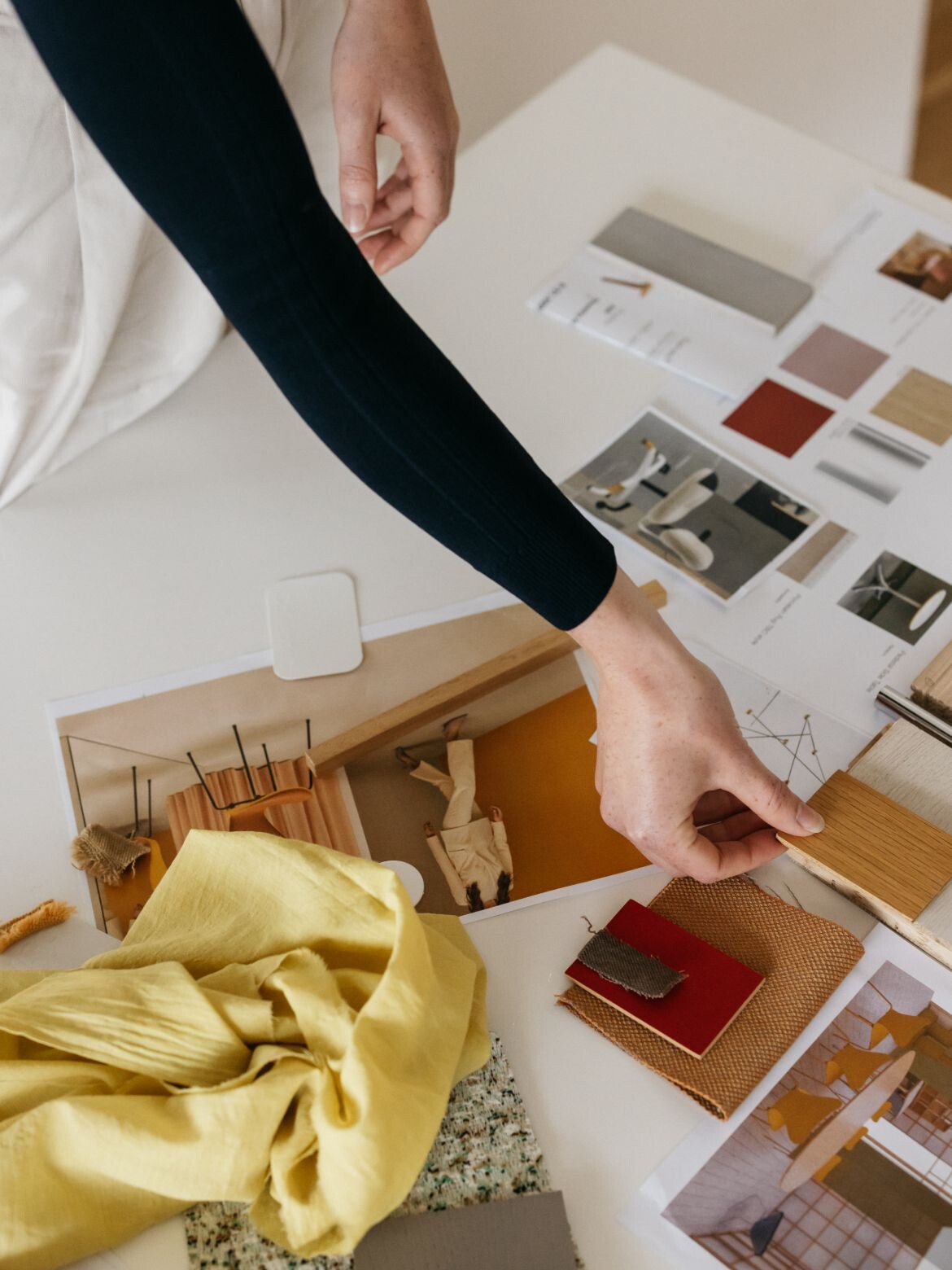
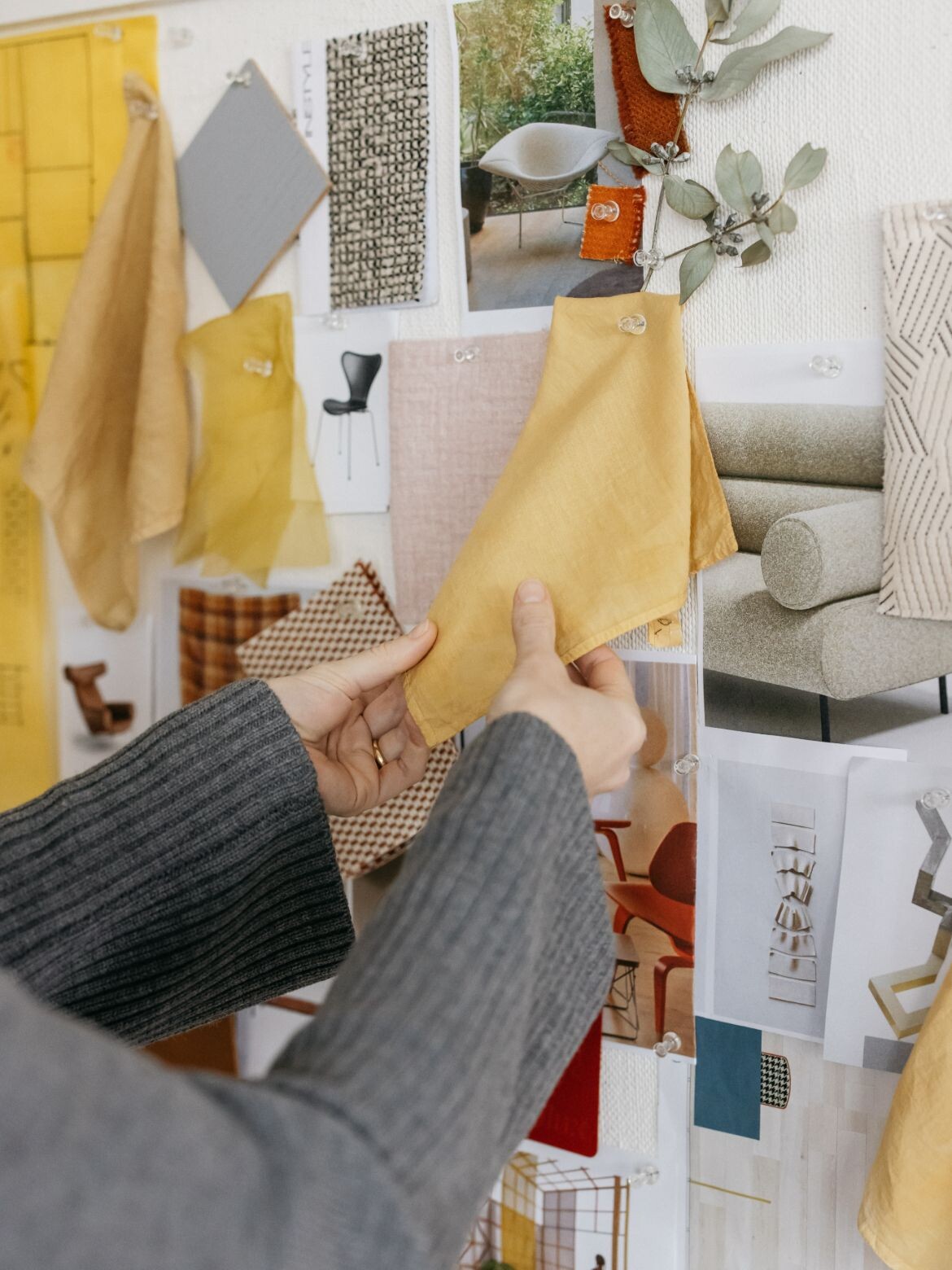
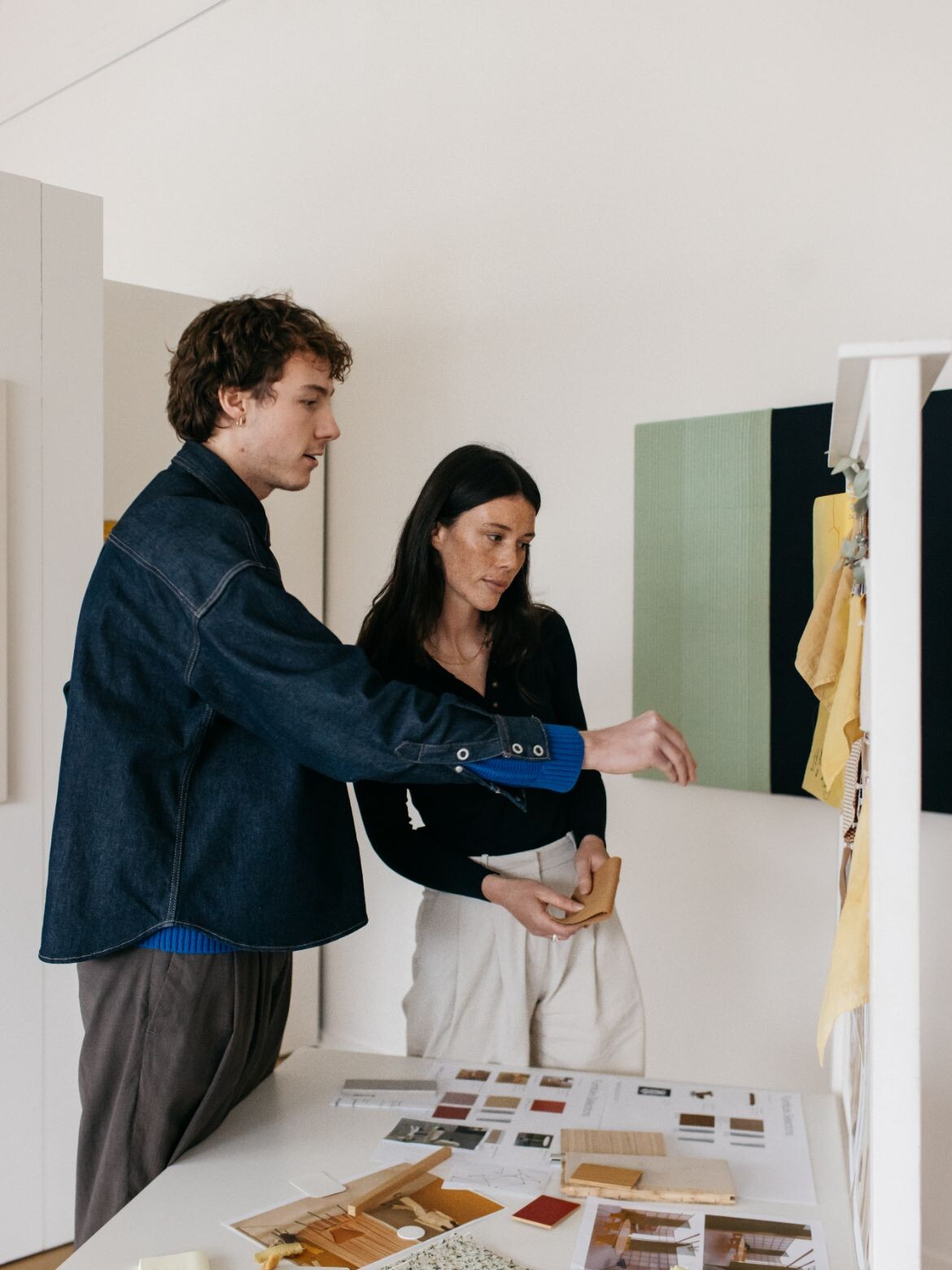
Nexus Designs has led the curation process, selecting pieces from Cultivated’s archive collection of over 300 pallets of rescued commercial furniture. For example, the Fritz Hansen Series 7 chairs salvaged from Auckland’s convention centre feature new powder-coated bases and Kvadrat Cifrado upholstery containing 42% recycled polyester, while the Knoll Bertoia Diamond chairs recovered from a Sydney office basement are reupholstered in deadstock wool naturally dyed with Stringybark. With ethically sourced and surplus textiles at the fore, the installation also offers collaboration with local artisans and champions circular thinking across fastidious detail. Soft fabric panels naturally dyed using native flora by textile artist Heather Thomas divide the spaces, creating an environment that reinforces a sense of home over showroom. Sculptural artworks selected in collaboration with Artbank demonstrate accessible approaches to integrating contemporary Australian art in residential environments, with woven, ceramic and playful objects chosen to complement the pavilion’s translucent structure.
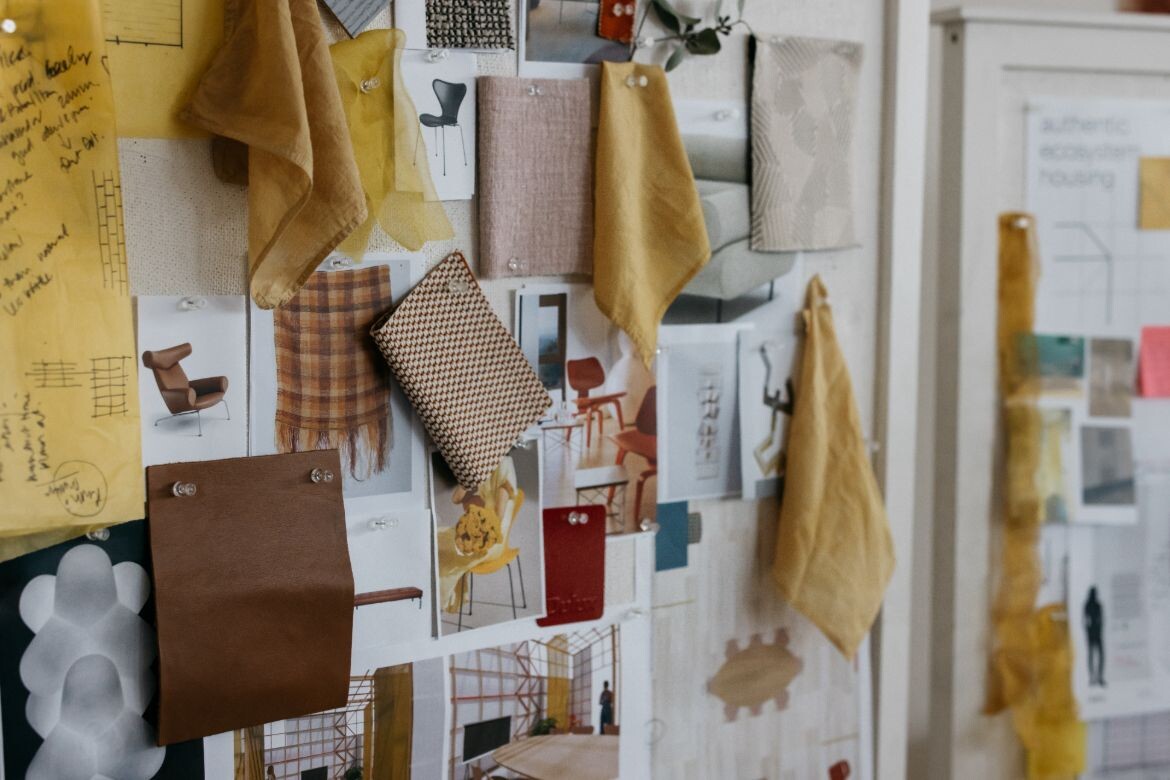
The pavilion will host Design with Intention: A Fishbowl Discussion on Thursday 17 July (1:30–2:30pm), featuring leaders in sustainable design including representatives from Nexus Designs, Cultivated and the Green Building Council of Australia. After the Green Design Show, NEWNEW will be deconstructed and rebuilt for future applications, demonstrating its own circular credentials.
Photography
Marie-Luise Skibbe, Timothy Kaye
Nexus Designs
nexusdesigns.com.au
INDESIGN is on instagram
Follow @indesignlive
A searchable and comprehensive guide for specifying leading products and their suppliers
Keep up to date with the latest and greatest from our industry BFF's!
The internet never sleeps! Here's the stuff you might have missed