The home of architecture and design in the Asia-Pacific
Get the latest design news direct to your inbox!

Get the latest design news direct to your inbox!
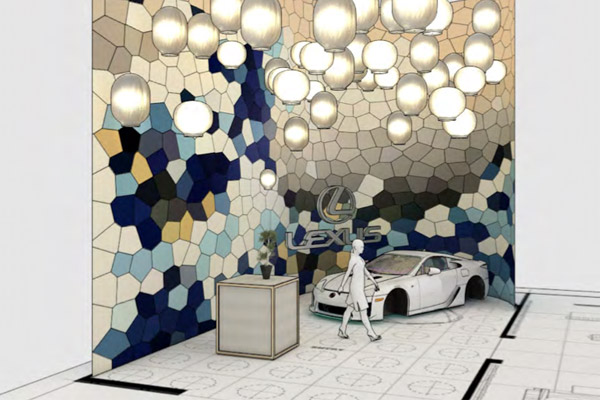
A collaboration between Hecker Guthrie and Lexus will produce a three story marquee for the Melbourne Cup Carnival.
October 30th, 2013
With a brief to “come up with a marquee that had a strong design identity”, the team from Hecker Guthrie was presented with “a series of material behind Lexus and their becoming much more driven by design”.
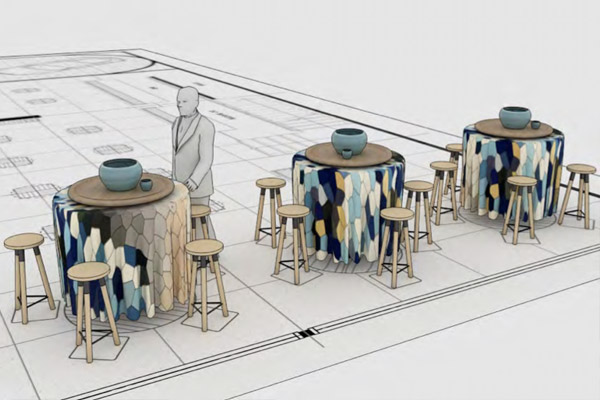
With this the designers were eager to create a Pavilion that reflects growing importance of the Japanese car industry, as well as the culture’s rich and unique aesthetics; as Paul Hecker comments, “traditionally the Japanese car industry may have been seen as secondary to the European industry but the Japanese aesthetic is so strong that we felt we needed to tap into Japanese fashion, materiality, origami, architecture, theatre, opera”.
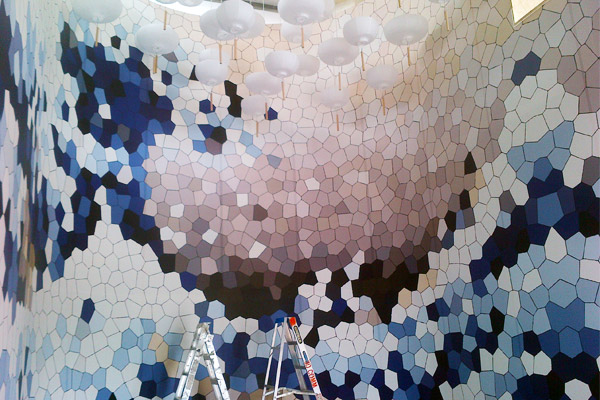
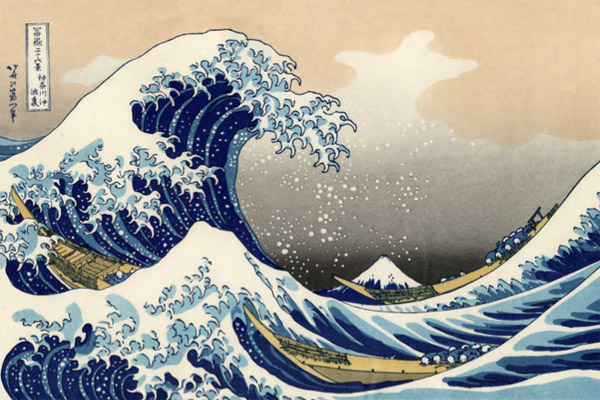
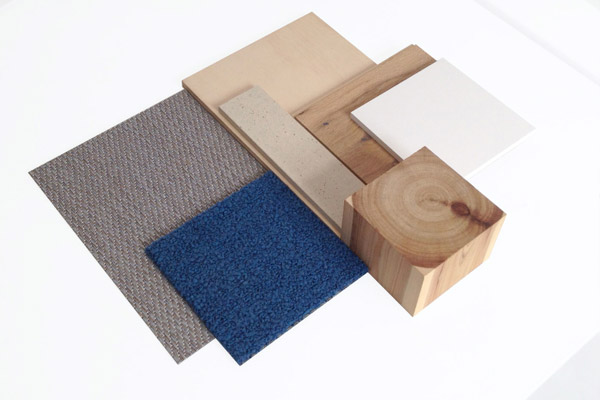
Thus the starting point was an idea behind pattern and graphics. The designers explored an iconic pattern from a Japanese print from the 19th Century – the infamous ‘Wave off Kanagawa’ – and pixelated it to create an echo of the original in a contemporary form. This also gave cues for colour palette and informed the materiality for the space, which centred on humble materials such as plywood, pine, ceramic and paper.

These are manifested in the lightweight timber frame which is illuminated by 200 paper lanterns and and decorated by custom made Andrei Davidoff ceramics.
The temporary nature of the structure was an important factor in the design, one that provided a refreshing and liberating change of perspective for designers accustomed to needing their projects to stand the test of time. As Guthrie expands, “You aren’t worried about how long it lasts – or if the fabric fades! You can explore ideas that would otherwise be unviable in a commercial sense. The idea remains pure!”
Lexus
Hecker Guthrie
INDESIGN is on instagram
Follow @indesignlive
A searchable and comprehensive guide for specifying leading products and their suppliers
Keep up to date with the latest and greatest from our industry BFF's!
The internet never sleeps! Here's the stuff you might have missed