Last week the Hilton Hotel launched Hilton Little Queen Street with a glittering event attended by the who’s who of Melbourne. This new Hilton Hotel joins 27 trading and 13 pipeline properties in Australasia across three brands, including Hilton Hotels & Resorts, DoubleTree by Hilton and Curio Collection by Hilton.

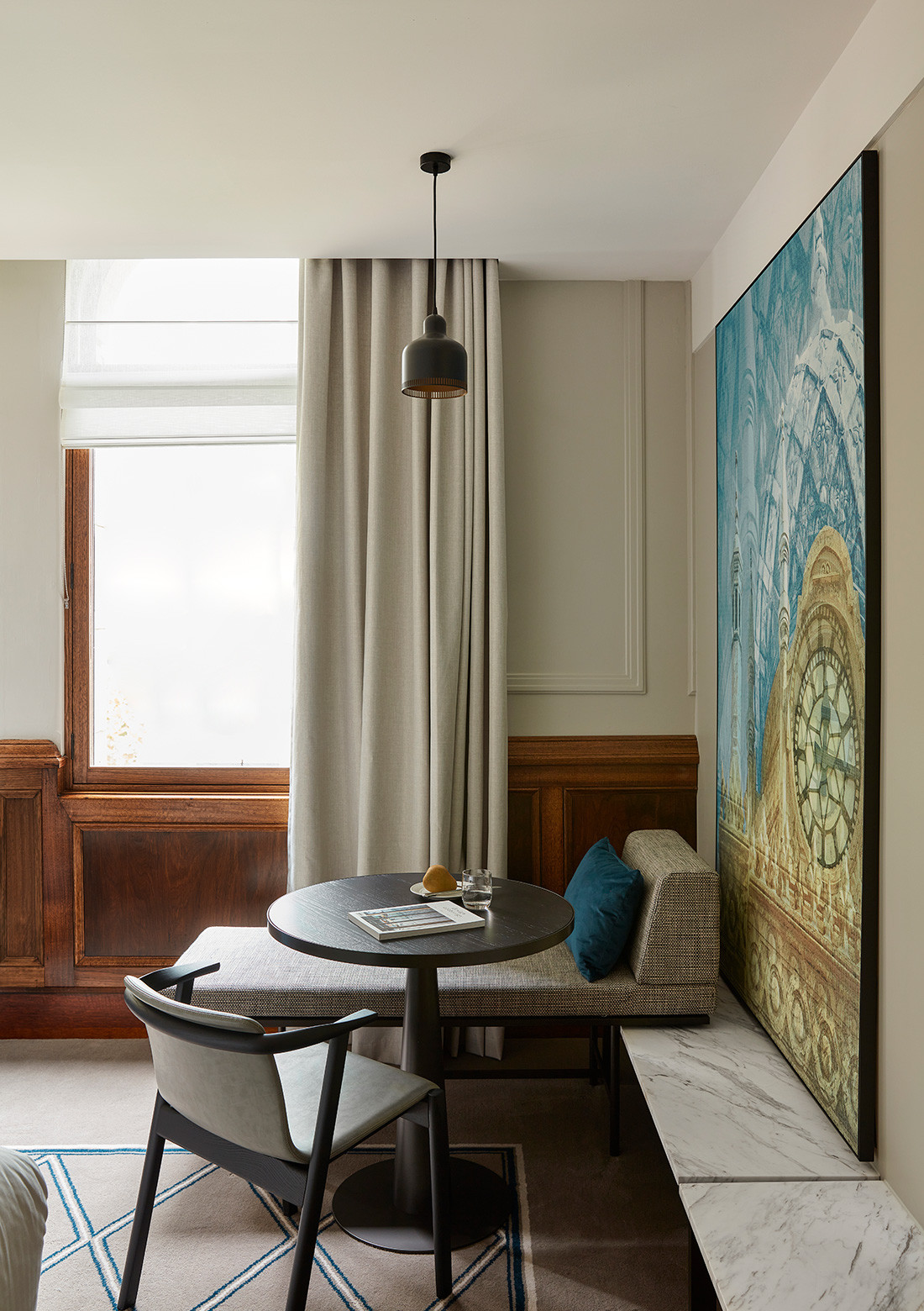
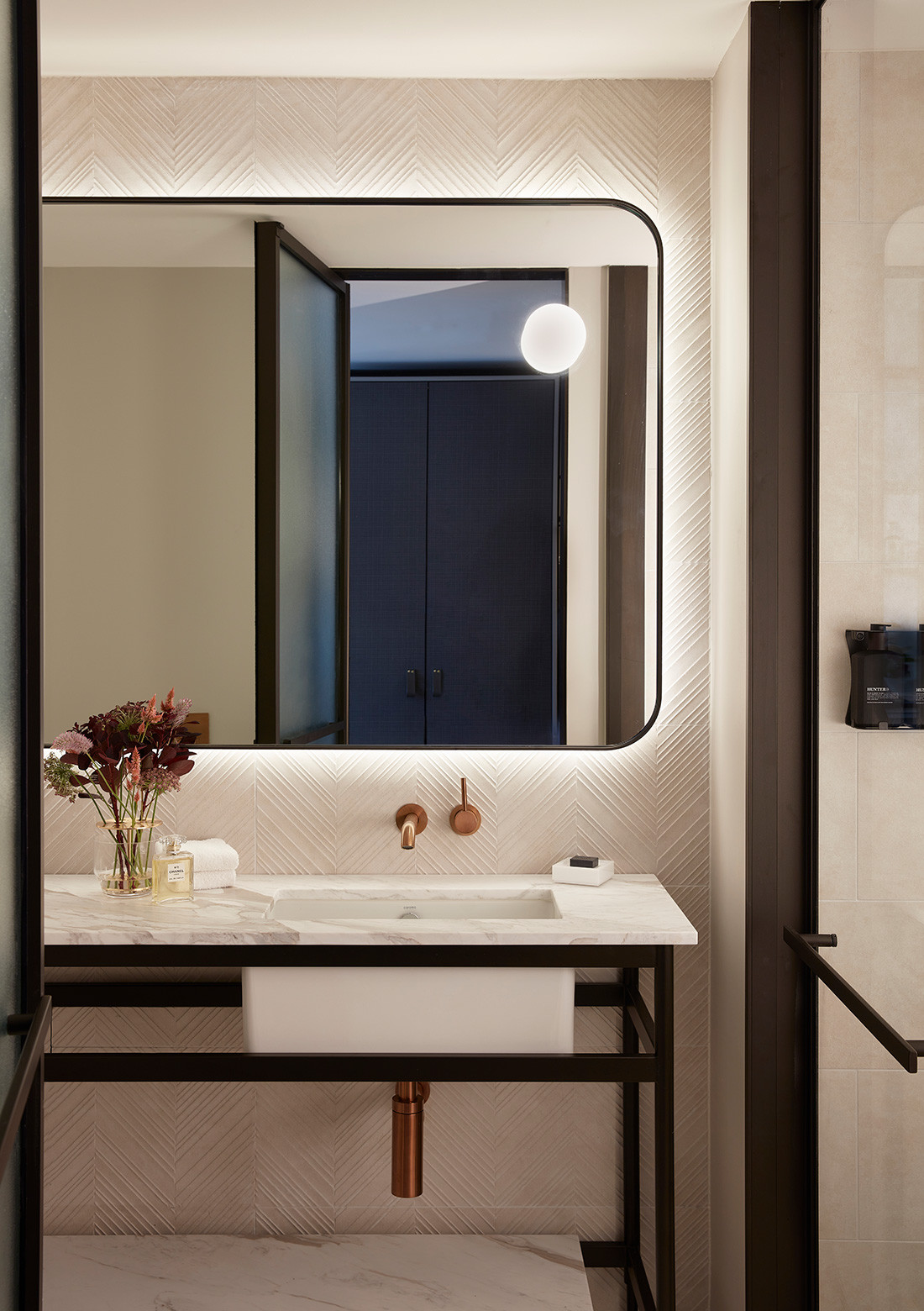
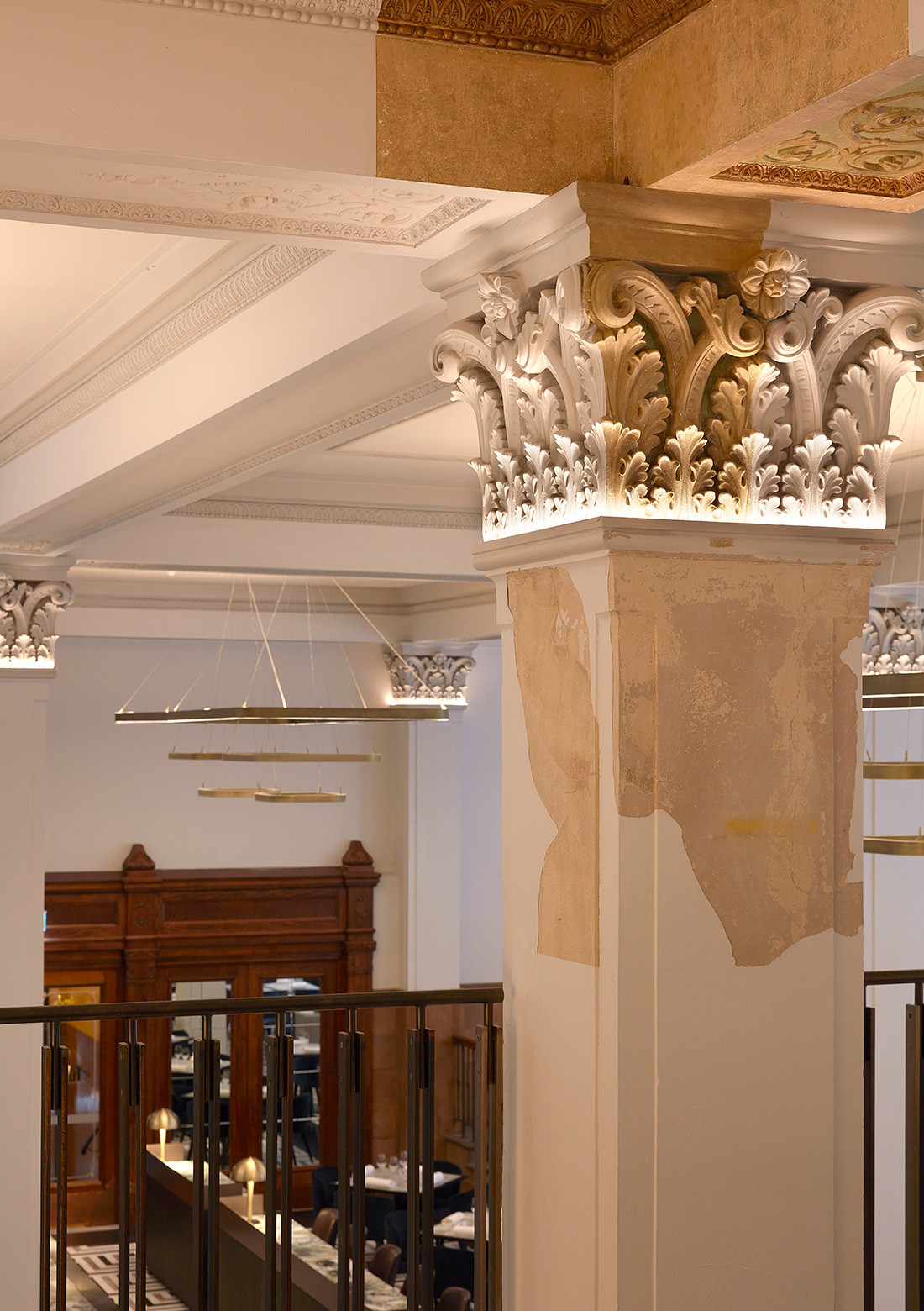
In true Melbourne style, Hilton Melbourne Little Queen Street, is situated in a small side street, the entrance set back from the sidewalk and just metres from the main thoroughfares and the bustle of Little Bourke and Bourke Streets. The Hotel has been expertly designed by Bates Smart who has incorporated the architectural details of the historically significant Equity Chambers building with a contemporary and creative interior.
Jeffrey Copolov, Interior Design Director, Bates Smart commented, “Hilton Little Queen Street taps into the glamour of travel and hospitality during the 1930s, with a beautiful entry tucked away that provides a surprising reveal upon arrival. When you arrive at the hotel lobby, you have arrived at everything that represents ‘Melbourne’.
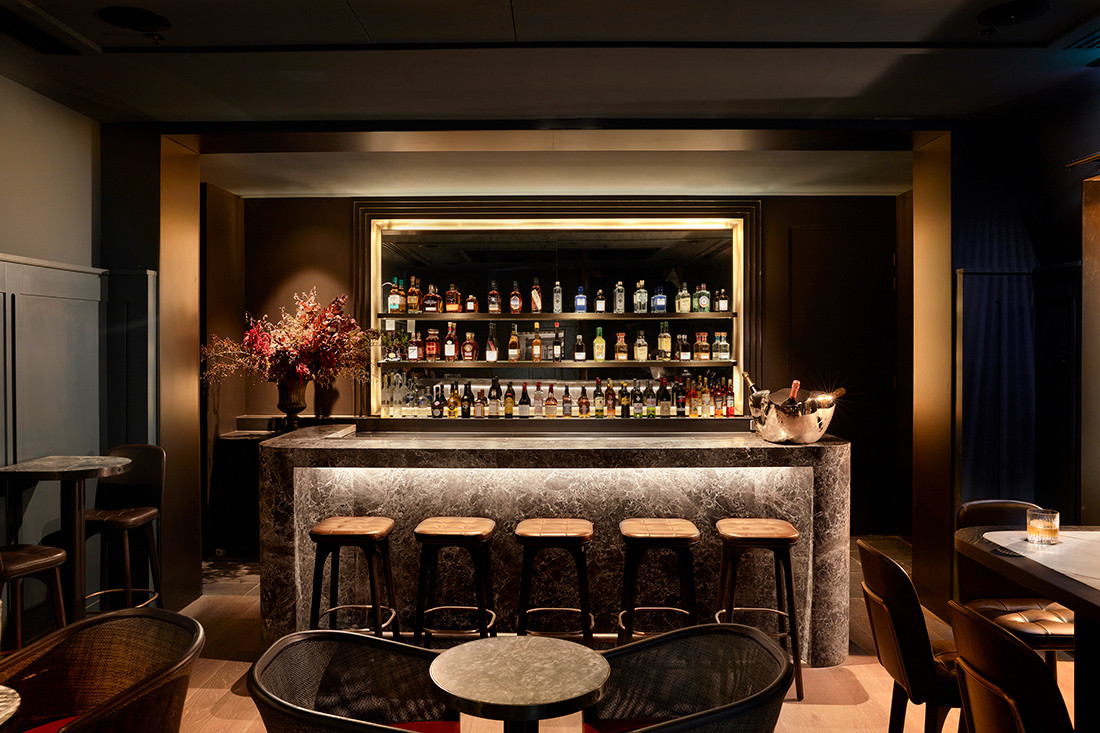
The charming, intimate entrance of the original Bourke Street portico provides patrons with direct access to the stand-alone, art deco bar, The Douglas Club – it’s a very different design concept compared with other hotel offerings in the CBD, bringing a boutique and local hospitality feeling to this west end of town.”

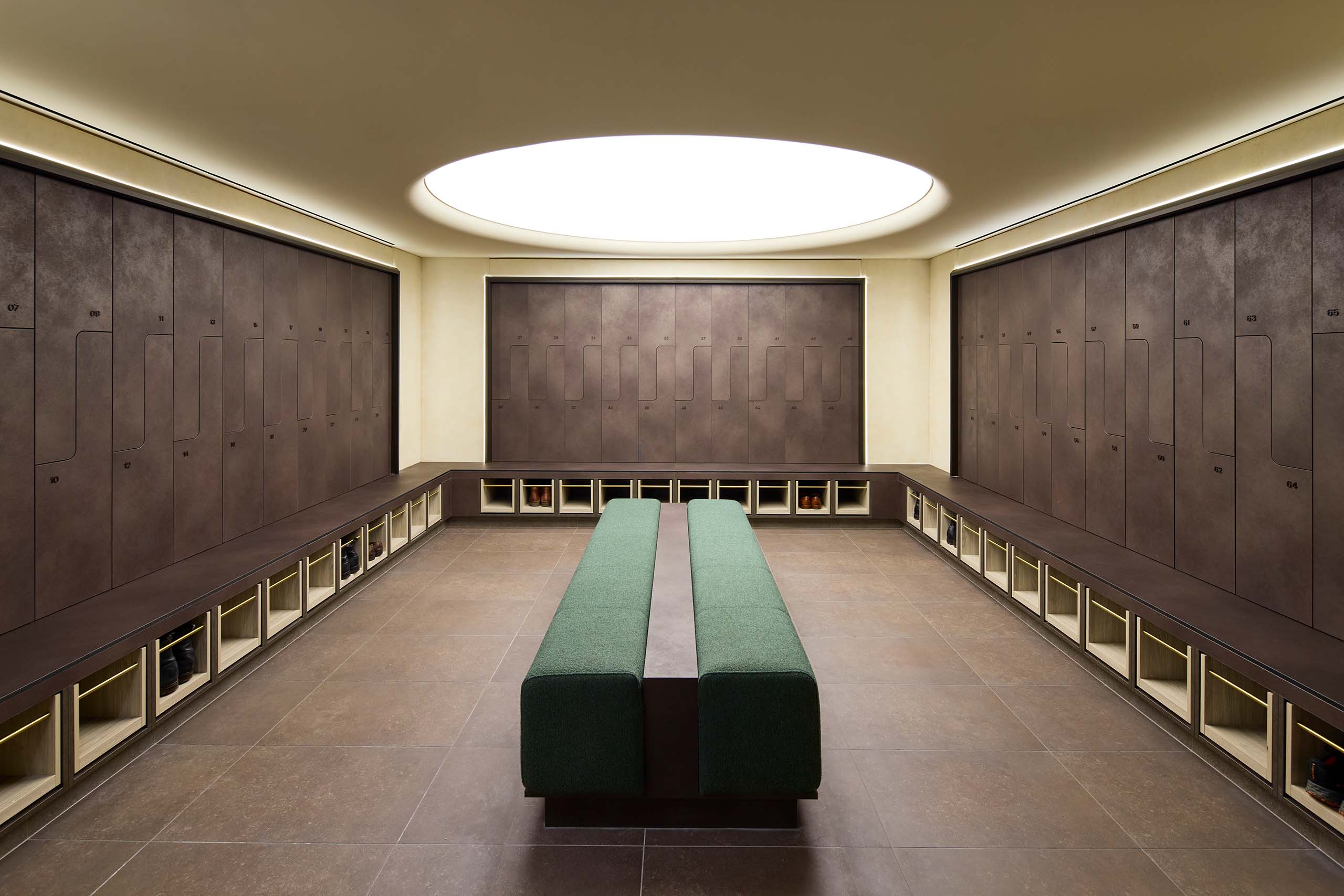
With 244 guest rooms, including five suites, a restaurant and bar, a fully equipped gym and seven meeting and event spaces, the new Hotel provides every amenity for guests. The location of the Hotel is perfect for business and leisure travellers due to its proximity to Melbourne’s key business districts and art, theatre and dining precincts and is certain to be the Hotel of choice for locals and visitors now that it is open and ready to receive guests.

Hilton Melbourne Little Queen Street merges of the best of heritage with the comfort and technology of the present. As Copolov reiterated, “Our design of Hilton Little Queen Street sought to bring back to life the rich, layered history of the building; original oak office doors with the gilded names of past employees have been restored, along with display cases of found objects and memorabilia of days gone by.”

As the new place in town, Hilton Little Queen. Street is everything it should be and more and is a shining jewel in the Hilton crown.