North Bondi Surf Life Saving Club
Published
By
jesse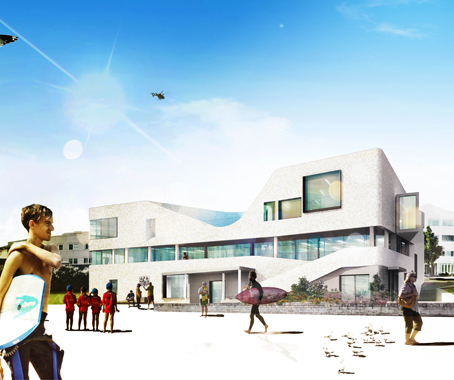
Construction has just commenced on the new North Bondi Surf Life Saving Club. Elana Castle chats to architect Neil Durbach, principal of Durbach Block Jaggers (DBJ), about their design.
After five years of design development, work has begun on North Bondi Surf Life Saving Club’s new state-of-the-art facility, which will replace the ailing structure, support the club’s growing membership and accommodate a range of expanded functions.
Situated on the edge of North Bondi beach, and blessed with one of the most dramatic views in the city, the site was not without its challenges.
“The new building had to be bigger and smaller,” explains Durbach, when asked about the primary design challenge. “We felt that a smaller footprint was important, but we also needed to satisfy the client’s brief for additional accommodation.” DBJ succeeded in achieving both objectives. By creating a vast subterranean level, they were able to restrain the visible footprint of the new building.
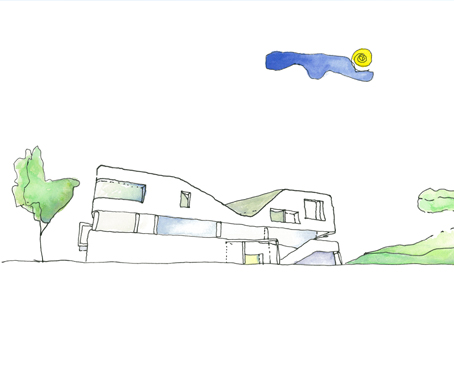
An additional challenge was the site’s harsh climatic conditions. “We needed to respond to the site’s exposure to the elements in addition to the spectacular views,” adds Durbach. “As a result, the building is both introverted and extroverted.”
The striking interplay between solidity and openness was also informed by DBJ’s response to the club’s public-private personality. “We felt strongly about transforming the public aspect of the building,” explains Durbach. “As a result the new club will feature a dedicated entrance from Campbell Parade, bringing people straight into the heart of the building. The lower entry level supports member activities, but both aspects culminate in the centre of the building, which opens up to the view.”
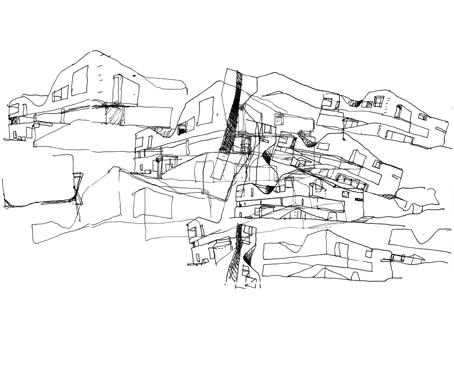
The material palette is also restrained, supporting the architect’s vision for a softened relationship to the landscape. “We didn’t want a building that bristled with its own self importance,” Durbach adds “The building is like a glazed sand dune, reminiscent of a tumbled, weathered piece of glass.” As a result there are only two primary materials – concrete and colourless vitrified tiles – which will change in tone and texture at varying times of the day. The curving and rounded forms also mimic the natural landscape, responding to the arc of the promenade and the two dramatic headlands.
Expected completion is September 2013.
Latest Projects
QLD
Living outside the box
At Northshore Hamilton, Plus Studio’s Danny Juric is looking beyond the apartment tower as an isolated object, drawing on mature trees, Brisbane’s subtropical climate and the rituals of outdoor living to shape Duet.
Project
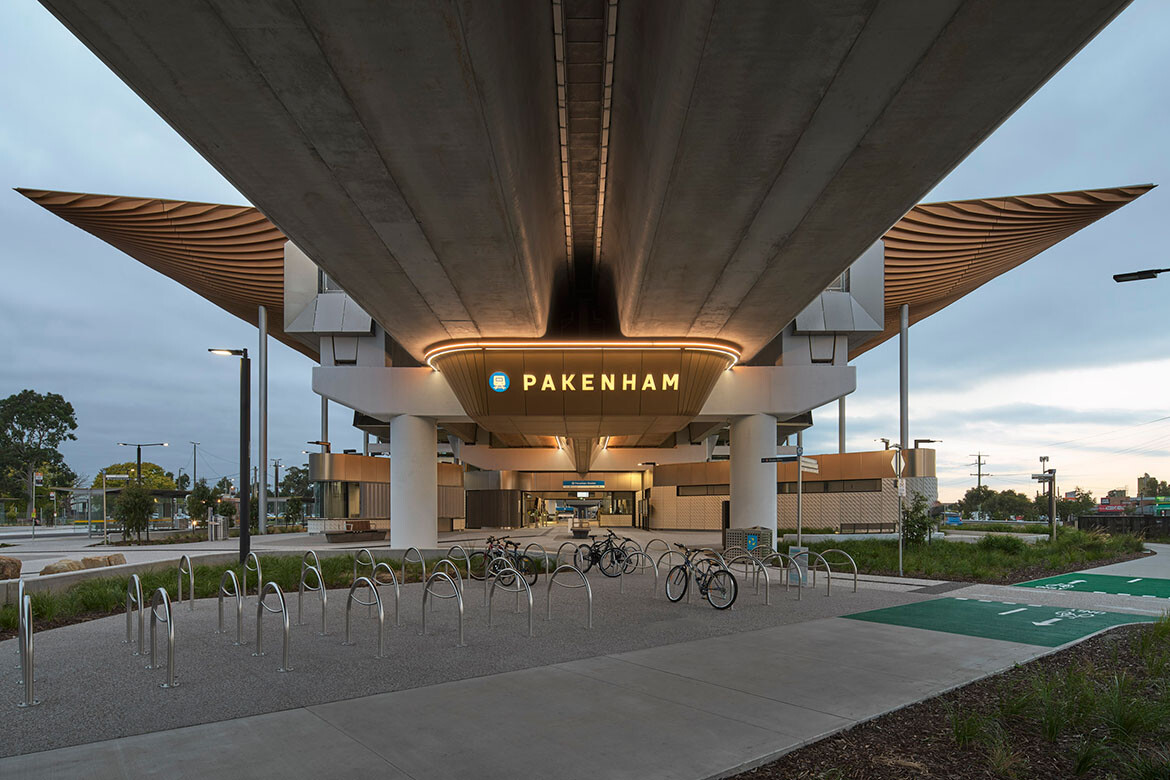
A civic gateway for Pakenham
Genton’s Pakenham Station transforms a utilitarian transport interchange into an open civic landmark, reconnecting the town through landscape, public space and infrastructure designed around Country.
Workplace
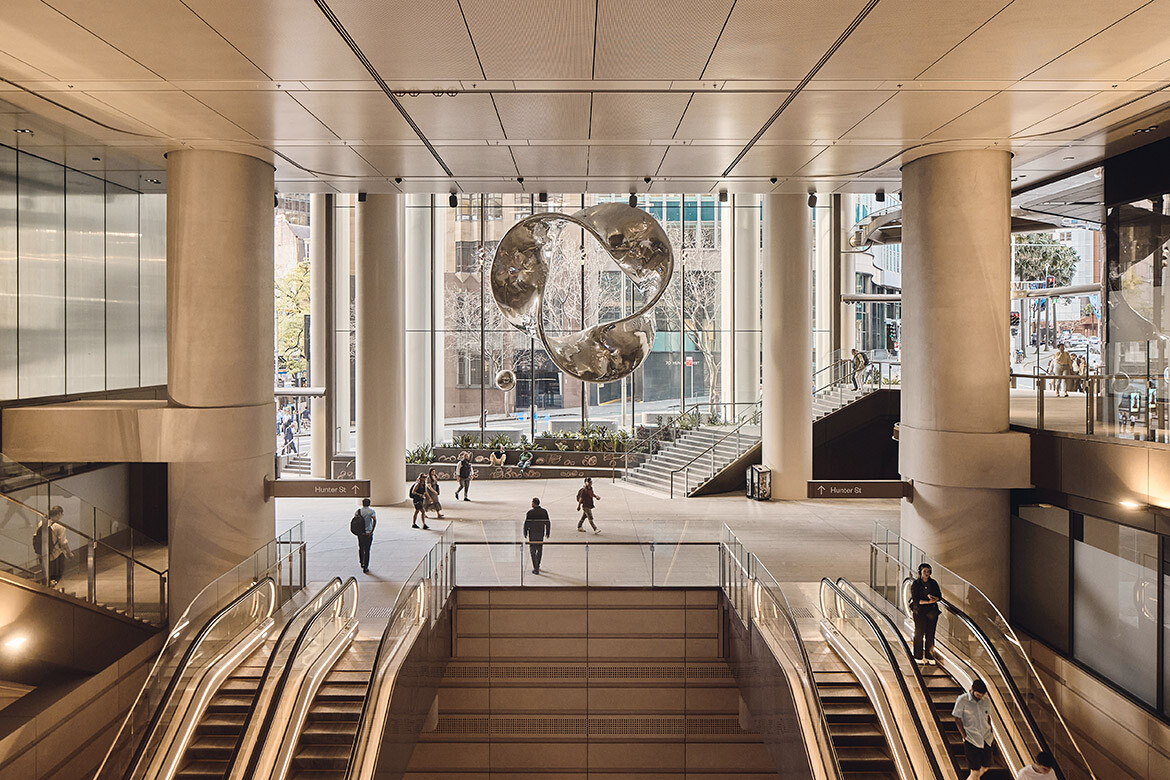
Per atria ad astra
In the very heart of Sydney’s CBD, 1 Elizabeth is a vast civic-scale project that integrates workplace design, transport infrastructure, event spaces, and hospitality around some dramatic void spaces.
Workplace
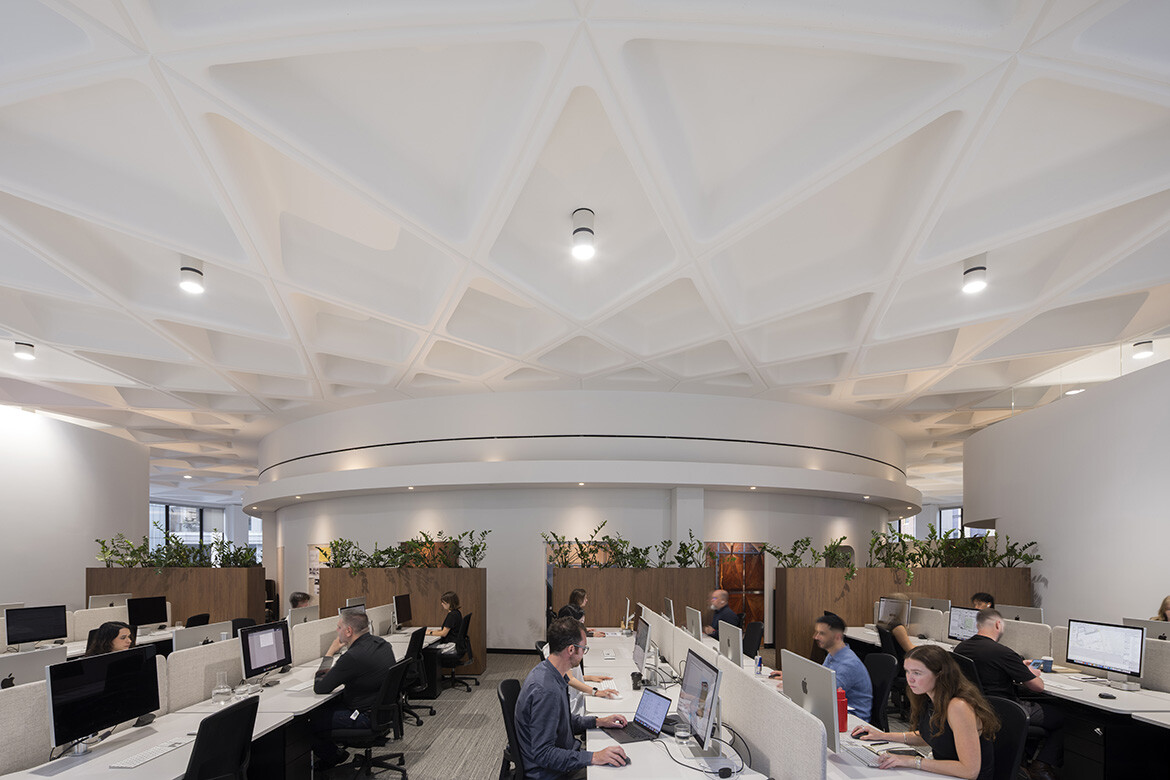
Seidler, Nervi and fjcstudio walk into an office tower
Set within hallowed architectural surroundings amidst the ghosts of Harry Seidler and Pier Luigi Nervi, fjcstudio’s new Sydney home brings geometric clarity and a spirit of creative exchange to a challenging workplace fit-out.