The home of architecture and design in the Asia-Pacific
Get the latest design news direct to your inbox!

Get the latest design news direct to your inbox!
ArchiCentre Sdn. Bhd. have created their new offices in Malaysia with the words re-use, reduce and recycle in mind.
October 15th, 2009
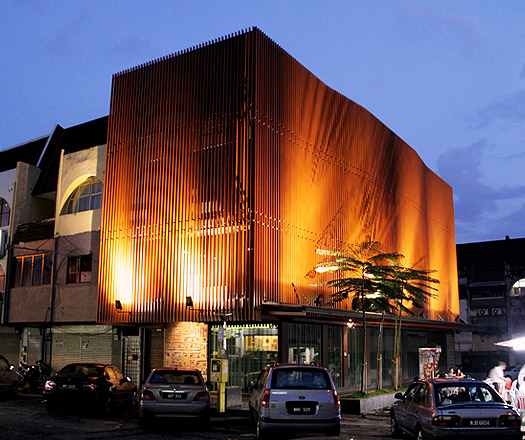
When ArchiCentre Sdn. Bhd. decided to place their new offices in a dilapidated building in the town centre of Subang Jaya in Selangor, Malaysia, the task was clear: to create a sustainable, thermally efficient, ‘breathing’ office space.
The three-storey run-down shop house building has been renovated and rejuvenated. However, rather than totally gutting the whole project and refitting with all new fixtures and finishes, ArchiCentre has recycled as many of the materials from the old structure as possible – from re-using old glass bricks and creating grillwork from salvaged mechanical catwalk floors to polishing the original concrete floor.
According to Dr Tan Loke Mun, Director of ArchiCentre Sdn. Bhd. the task was not a simple one; noting trying “accommodate the old structure and change the obsolete shop-house typology” as the most difficult aspect of the rejuvenation.
While the project made good use of older materials, ArchiCentre have also employed a range of techniques to reduce energy consumption.
Large vertical steel louvers have been designed, wrapping around the entire building, creating “an anonymous box”: offsetting glare and heat gain while retaining views and natural light for the building’s occupants. ’¨
“The facade screen gives the building a new fresh look whilst providing excellent sun-screening for all the walls,” says Dr Tan Loke Mun. “This has reduced energy use by more than half as most energy use in the tropics is for cooling of buildings.”
By replacing the original roofing with metal decking the architects have created a ‘functional air pocket’ at roof level, insulating the offices and studio below. Other ESD initiatives include rainwater collection for toilets, solar-heat powered wind turbines and increased insulation in the new roof, while the office interiors have done away with synthetic carpeting.
“The transformation of the old structure into a new climatically “green” energy efficient building augers well for tired neighborhoods. It also provides the blueprint for the rehabilitation of other similar old and worn out building stock.”’¨
ArchiCentre Sdn. Bhd.
archicentre.com.my
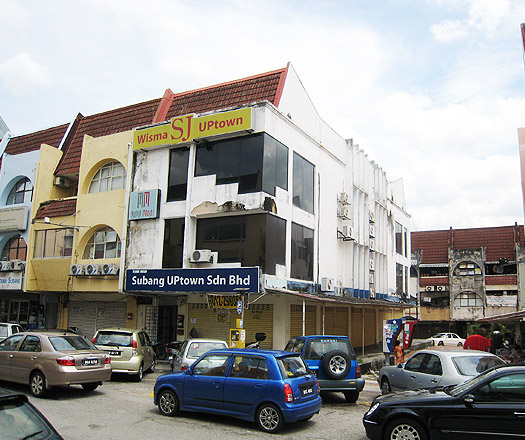
As the building was before the ArchiCentre renovation.
INDESIGN is on instagram
Follow @indesignlive
A searchable and comprehensive guide for specifying leading products and their suppliers
Keep up to date with the latest and greatest from our industry BFF's!
The internet never sleeps! Here's the stuff you might have missed