The home of architecture and design in the Asia-Pacific
Get the latest design news direct to your inbox!

Get the latest design news direct to your inbox!
A stylish and comfortable solution for office spaces.

March 2nd, 2010
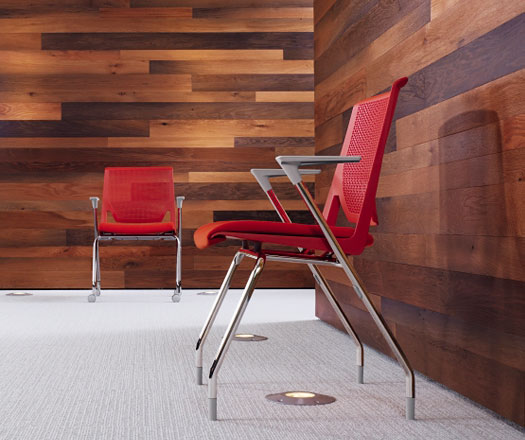
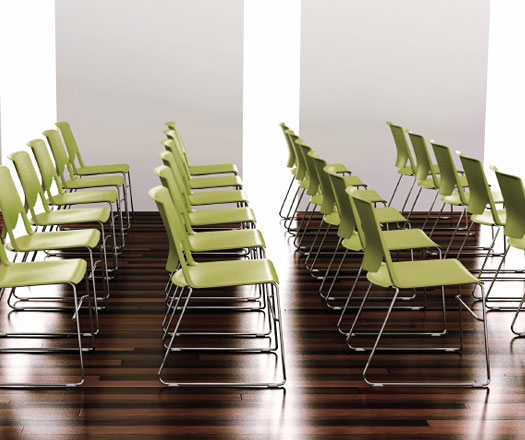
Designed by the Haworth Design Studio in collaboration with international furniture designer Simon Desanta, ‘Very’ seating brings global design and versatility to the forefront.
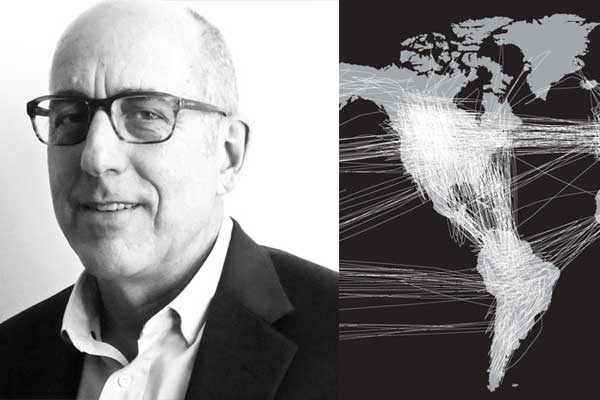
Born in Vlotho, Westphalia, Germany in 1952, Simon Desanta is a renowned international furniture designer with a passion for sustainability and ergonomics.
Desanta has already designed two of the best-selling chair systems Haworth has had on offer: System 50 and System 77.
With a 10 years warranty and GECA certification, ‘Very’ incorporates the best of Haworth’s design in a range of customised applications using cutting-edge sustainable methods.
‘Very’ delivers international design with a smart, slender profile that celebrates its light scale and airy aesthetic.
With a generous seat pan width, ‘Very’s’ conference chair features a gas lift to offer a wide and adjustable height range, combined with a large waterfall edge, which provides maximum comfort.
‘Very’ has a torsional movement within the seat and back- a recline mechanism that converts the user’s weight into resistance while minimizing seat movement.
Drawing on the research conducted by Haworth, a torso angle over 90 degrees has the positive impact of reducing pressure on the tailbone, a principle that has been effectively incorporated into the design.
With integral flexibility within the back moulding, ‘Very’’s options for upholstery, perforated two trim options and 10 colour options give this light scale, polymer chair plenty of aesthetic choices to suit individual preferences.
Committed to design for the Environment (DFE) sustainable manufacturing, ‘Very’ is made with up to 71% recycled content and up to 98% recyclable materials.
Haworth
haworth-asia.com

INDESIGN is on instagram
Follow @indesignlive
A searchable and comprehensive guide for specifying leading products and their suppliers
Keep up to date with the latest and greatest from our industry BFF's!
The internet never sleeps! Here's the stuff you might have missed