The home of architecture and design in the Asia-Pacific
Get the latest design news direct to your inbox!

Get the latest design news direct to your inbox!
Australia’s leading producer of solid-engineered oak flooring has recently launched a new suite of innovative resources to support creativity and ambition in the architecture and design community.


January 24th, 2023
When Tongue & Groove first began, engineered floating timber floors were merely considered an affordable alternative to timber flooring. Founder Richard Karsay endeavoured to change that, developing a unique model of three-layered construction structure which held the same aesthetic appeal of a solid timber floor and yet featured unmatched size, strength and stability. Evolution has always been a central element of the Tongue & Groove identity, from their early efforts to revolutionise the engineered flooring industry to their current technological redesign.

“When you want to be the best, you have to evolve,” Karsay explains, in reference to the rebrand. “It was time to take the brand to the next level with an elevated identity that celebrates our unique selling point—the European oak that is the source of all our products.”

Timber is only a renewable resource if it is treated as precious, with a selective harvesting approach that respects the ecological balance of the forest. Sustainability is a core consideration for Tongue & Groove, who only source timber and wood products from suppliers that have been endorsed by the Forest Stewardship council; an entity which ensures that biodiversity, habitats, waterways and mixed age tree communities are protected during the harvesting process.
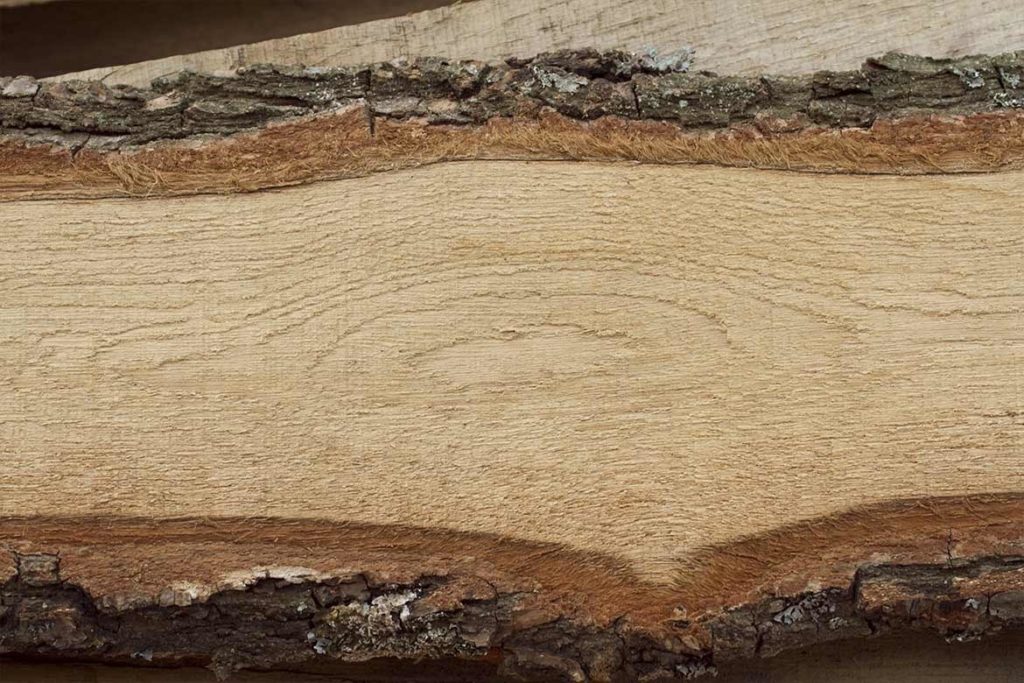
The focal point of the new Tongue & Groove identity is their breathtaking European oak, ethically sourced from FSC-certified forestry operations with full Chain of Custody documentation available on request. As a company, Tongue & Groove let very little go to waste, using up to 70 per cent more of the tree in their structure – material which would normally end up as offcuts, shavings and sawdust. The three resulting layers of solid, sustainable European oak provide gorgeous, robust and environmentally conscious flooring.
At the heart of Tongue & Groove’s most recent revolution is a commitment to empowering the A&D community across Australia. From detailed product sheets, drawings and information on the brand’s impressive credentials to an extensive range of flooring patterns which can be downloaded for architectural drawings and renderings, Tongue & Groove have created an intuitive system which can guide customers through every aspect of the design process.
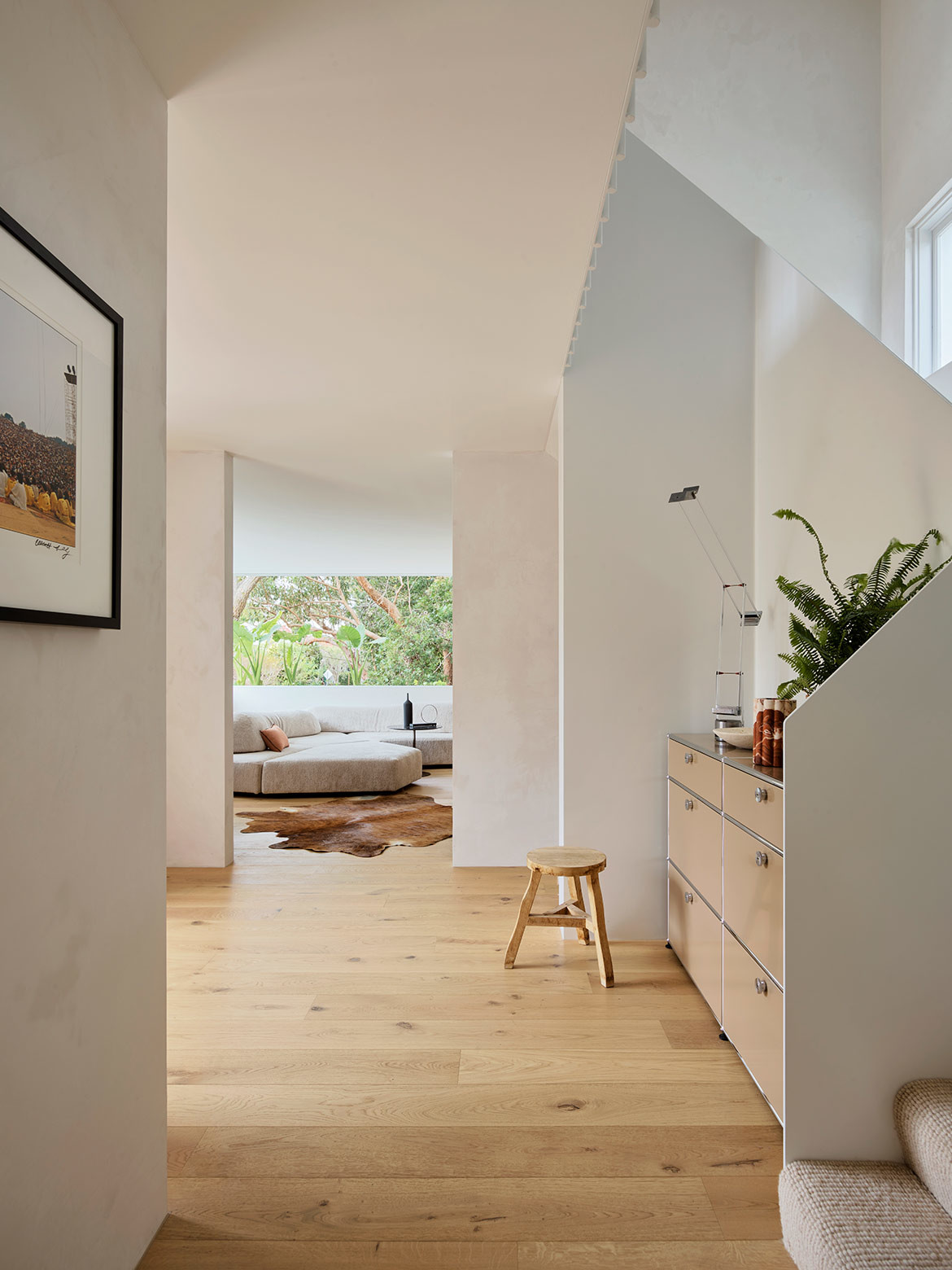
The Tongue & Groove visualiser takes centre stage here, allowing members of the A&D community to explore the impact of different products (giving them complete control over width, grade, colour and finish) in a flexible interior space. The virtual environment can be switched from a dark to light colour scheme, providing designers with a real world understanding of how flooring and colour decisions will interact within the space.
“What we’ve created with our rebrand will allow the A&D community to take their design vision to the next level,” says Karsay. “There is massive opportunity in Australia’s design scene—and, at Tongue & Groove, we want to be a part of that story.”
Try the new visualiser for yourself or visit the Tongue & Groove website for more information.

INDESIGN is on instagram
Follow @indesignlive
A searchable and comprehensive guide for specifying leading products and their suppliers
Keep up to date with the latest and greatest from our industry BFF's!
As guests of Space Furniture and Bombay Sapphire, Fernando and Humberto Campana and Massimo Morozzi hold public lectures in October in Sydney, Brisbane and Melbourne.
Tickets from www.ticketmaster.com.au or 136 100
Inspired by magazines, to which she contribures regularly, Rachael is a freelance writer specialising in architecture and design. What do you do: Freelance writer on architecture and design, associate editor of Steel Profile magazine Favourite designer: Frank Gehry for his playfulness in buildings Favourite design destination: Helsinki for the plethora of Aalto buildings, design […]
The internet never sleeps! Here's the stuff you might have missed