The home of architecture and design in the Asia-Pacific
Get the latest design news direct to your inbox!

Get the latest design news direct to your inbox!
Ahead of the launch for Tappeti’s latest – GEO – we look back at the brand’s pledge to quality, handmade manufacturing techniques and material integrity.


It’s only human to strive toward uniqueness and originality. Whenever circumstances allow, we search for never-before-seen solutions that help distinguish ourselves from the norm. Such is the case in all aspects of life, from work to play and even the food and fashion we choose.
As the age of mass production draws on, this desire for individuality remains a key driver of design, with designers and consumers alike craving something artisanal and made with care. The joy and satisfaction inherent in well-designed objects continues to appeal to a new generation of design enthusiasts, as does the level of exclusivity associated with good design. Design has transcended a merely functional or aesthetic role to become an integral part of the way we live and, crucially, the way we express ourselves.
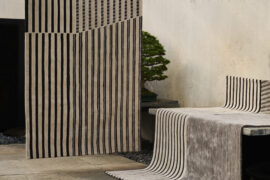
Drawing inspiration from architectural forms, GEO – the latest collection from soft flooring experts Tappeti – is the result of authentic, masterful design that pushes boundaries. Exploring the nexus between line, colour, and shape, rugs in the GEO range are the ideal unique statement piece for any interior. Thanks to meticulous handwork techniques that have been passed down through several generations of artisans, GEO is at once intricate and sophisticated.
GEO is a timely reminder of the unbeatable benefits of high quality craftsmanship, and underscores that material integrity lies at the heart of delivering an end result keeping style and functionality in balance. The range’s handmade nature means that no two rugs are exactly alike, and that each are imbued with a delightful degree of individuality and inevitably marked by the hand that made them. It is this almost poetic sense of narrative and identity that allows GEO to add complexity and depth to any environment.
Consistent with Tappeti‘s offering, a range of customisation options complements the GEO range. Virtually endless design configurations are on offer thanks to a variety of rug pile heights for added texture and dimension, various shapes and sizes depending on application, and Tappeti‘s vibrant whorl of over 260 distinctive colours. This unrivalled degree of design flexibility also extends to finishes, which include fringe details, tapered edges and carved lines.
Handmade and hand-dyed using New Zealand Wool with shimmers of art silk, each GEO rug pattern is printed at a 1:1 scale. This print is then used as a base ‘map’ that ensures that traditional handcraft techniques of carving, looping, or raised hand knots and fringing are precise and meet design requirements every time. The GEO collection rugs are handmade in India based on designs refined in Australia or Singapore and avail of luxurious New Zealand wool.
Widely regarded as one of the most durable fibres on the soft flooring market, New Zealand wool is the ideal choice for Tappeti‘s sumptuous designs and stands up to the wear and tear of commercial environments with ease. Tappeti rugs are equally at home in residential applications, where their endurance makes them an heirloom to be passed on between generations to come.
Tappeti has collaborated with some of the most illustrious firms in Australian design including Bates Smart, HASSELL, Woods Bagot and FJMT. Each collection is hand crafted using the highest quality materials that have the ability to amplify any design statement.


INDESIGN is on instagram
Follow @indesignlive
A searchable and comprehensive guide for specifying leading products and their suppliers
Keep up to date with the latest and greatest from our industry BFF's!
The internet never sleeps! Here's the stuff you might have missed