Sustainable Living Fabrics have launched the new look Australian made Sustainable Ecotone – made with designers, architects and specifiers in mind.
Woven using Australian wool yarn and an eco-polyester boucle yarn, Sustainable Ecotone is available in 4 different mid-century modern colours. The two yarns create a very unique and textured look, while the colour palette keeps the range simple and elegant.
Sustainable Ecotone was designed with architects, designers and specifiers in mind – Sustainable Living Fabric’s (SLF) open dialogue with the design community helps to ensure each product is fresh, inspiring and commercially viable. SLF are a well-established supplier of Heavy Duty Commercial upholstery Fabric, servicing Australian Interior Designers for nearly 50 years. Operating out of Melbourne, they have sales reps around the country and who work closely with Designers, providing sampling and assistance as required to ensure projects run smoothly.
Ecotone has achieved a Heavy Duty Commercial rub test making it suitable for commercial upholstery and screens; SLF supplies a high quality and durable product that is translated through our 12 year warranty. All SLF textiles have been certified with the GECA Type 1 Ecolabel, and Sustainable Ecotone is no different. Ecotone is another product in the SLF family that underscores the company’s commitment to sustainable practices, social responsibility and supporting local businesses.
This article is presented by Sustainable Living Fabrics.
INDESIGN is on instagram
Follow @indesignlive
A searchable and comprehensive guide for specifying leading products and their suppliers
Keep up to date with the latest and greatest from our industry BFF's!
In the last instalment of our three-part performance seating series, Alex Bain from Architectus explains why sitting well shouldn’t feel like sitting at all and explores an unexpected success metric of the hybrid workplace: the grounding power of emotional support.
The Geelong College’s Sport and Wellbeing Centre ‘Belerren’ designed by Wardle is designed around bringing in natural light. But Shade Factor’s job was to help modulate and precisely control it for the most important competitive moments.
In the first instalment of our three-part series exploring what it means to sit your best, we pose the question to Gray Puksand’s Dale O’Brien, who discusses the importance of ease and majority rule when it comes to sitting and reveals why specifying a task chair is not unlike choosing a Volvo.
Natural stone shapes the interiors of Billyard Avenue, a luxury apartment development in Sydney’s Elizabeth Bay designed by architecture and design practice SJB. Here, a curated selection of stone from Anterior XL sets the backdrop for the project’s material language.
Sydney-based Klaro Industrial Design launches Volume 6 featuring five locally manufactured pieces and two of dual origin, that bring warmth to commercial interiors while championing longevity and craftsmanship.
How, as adults, do you design a hospital from a child’s perspective? That was the challenge given to the team behind Perth Children’s Hospital: JCY Architects and Urban Designers, Cox Architecture and Billard Leece Partnership (BLP), with HKS Inc.
What are the principles and strategies behind designing for incidental staff collisions and chance encounters? Siren Design maps out its creative thinking and approach for Powercor CitiPower’s BEON Energy Solutions, Melbourne: a purpose built workplace which encourages its staff to ‘interact’ and ‘collide’.
The internet never sleeps! Here's the stuff you might have missed

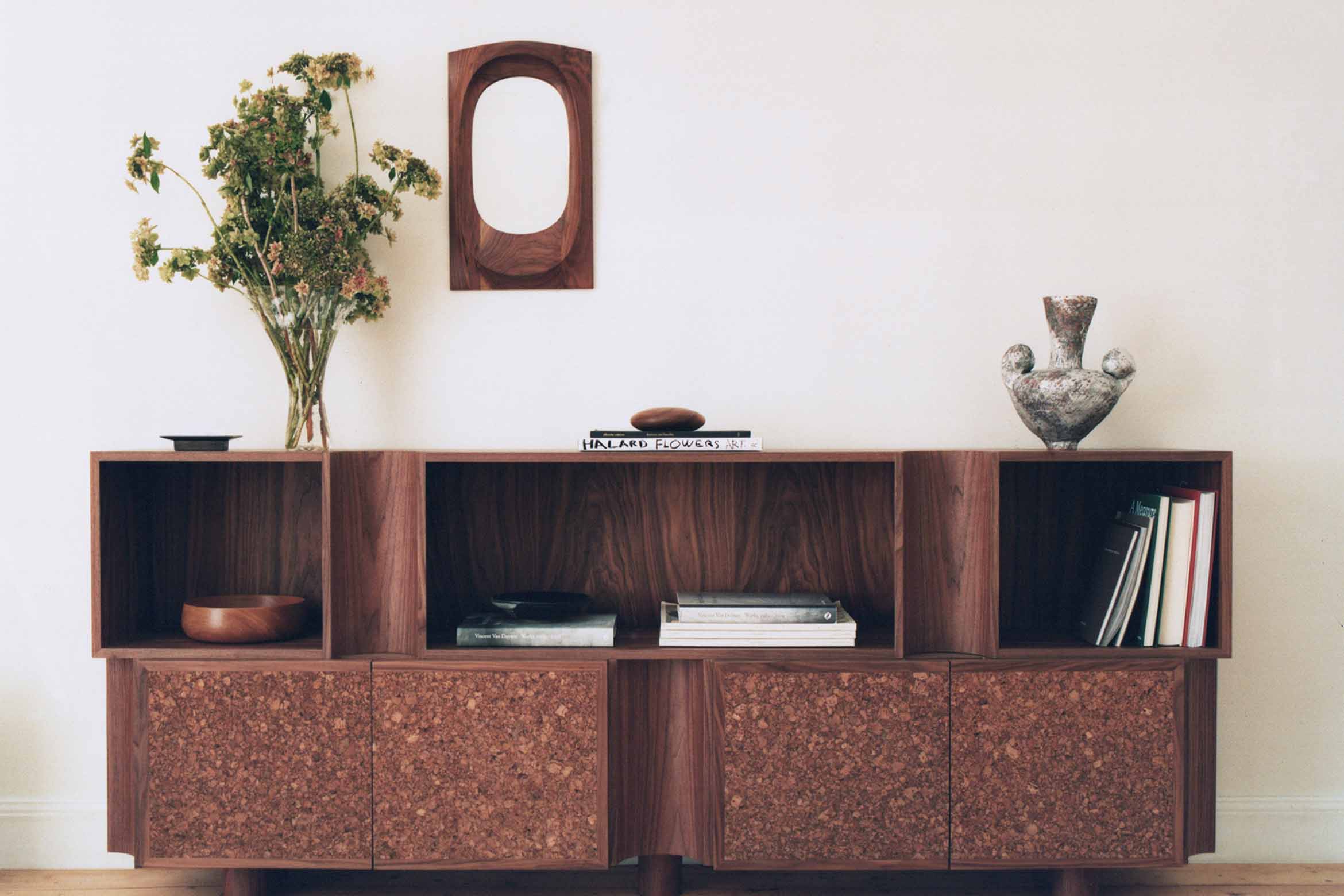
Melbourne-based architect and object maker Adam Markowitz blurs the line between design and craft, bringing a deeply considered, material-led approach to his work. As both a practising architect and furniture designer, Markowitz explores how objects can respond to space, light and human use.
Scheduled to open later this year on the banks of the Parramatta River, the 30,000-square-metre Powerhouse museum — designed by Moreau Kusunoki in collaboration with Genton — represents a major shift in the geography of Sydney’s cultural infrastructure.