The relaunch of Pot – a 1950s classic
Published

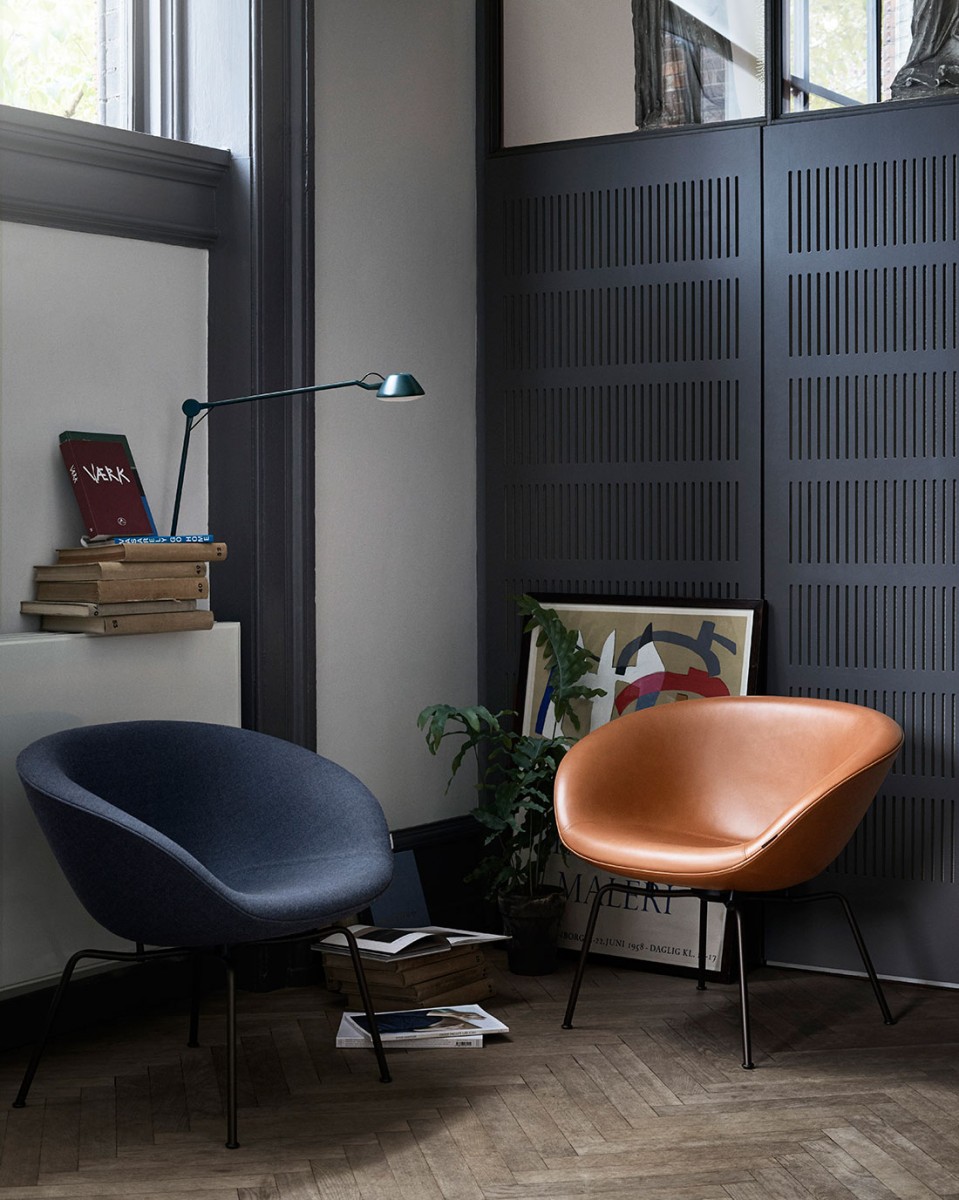
Arne Jacobsen originally designed the Pot lounge for the SAS Royal Hotel in Copenhagen in 1959. Today, the lounge chair is relaunched from Cult.
Relaunched with the purpose of complementing contemporary interiors with its iconic 1950s style, the classic Pot series is available from Cult with more options than ever.
The signature 1950s Arne Jacobsen style is back with all the comforts of contemporary design. Improved comfort, modern materials and new playful fabrics make the new Pot better than ever. The design of the low, comfortable lounge chair embraces everyone who sits in it without ever taking over the room.
Originally, the chair decorated both the SAS Royal Hotel’s sophisticated Orchid bar and the astonishing winter garden. The chair too was found on every floor in the hotel across from the elevators, greeting guests with a recognisable meeting point. Needless to say, the Pot chair inhabited the hotel as much as its design icon siblings, the Egg and Swan.
[nggallery id=2577]
This relaunched chair is suitable for both home and professional use, thanks to its contemporary durability and timeless quality, both characteristics of the Fritz Hansen way of manufacturing and the Arne Jacobsen way of designing. Pot works as beautifully standing alone in a home lounge setting as it does arranged in pairs in a welcoming cocktail bar or the informal meeting room.
“The Pot is the forgotten chair, which deserves a relaunch,” says Christian Andresen, head of design at Fritz Hansen, “I see the chair as one of Jacobsen’s quieter and floating designs – almost like a leaf in the air. The chair is surprisingly comfortable and spacious and the slightly modified 2018 version of the Pot is a compliment to Arne Jacobsen’s more modest design style and a beautiful example of less is more.”
Related Articles
Events
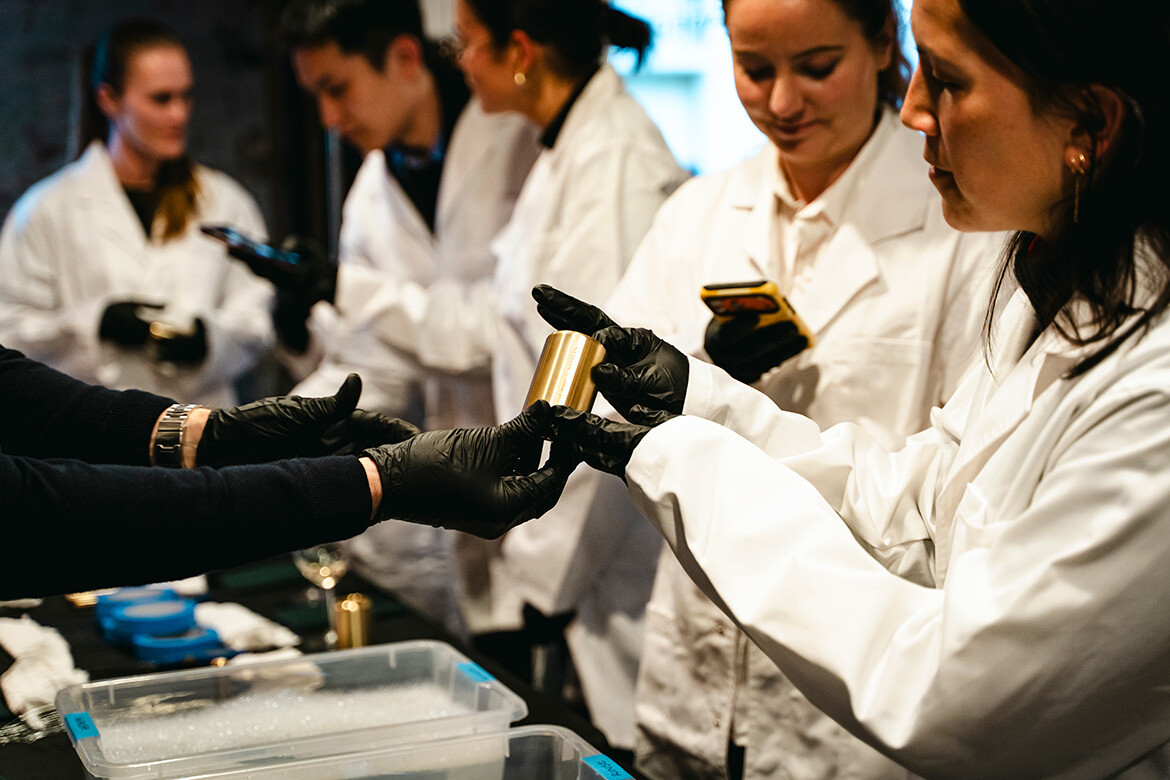
Getting hands-on with Savage Design’s Ministry of Metals
Ahead of Saturday Indesign, Savage Design put its new Ministry of Metals experience through a test run, turning material education into something tactile, practical and genuinely interactive.
Articles
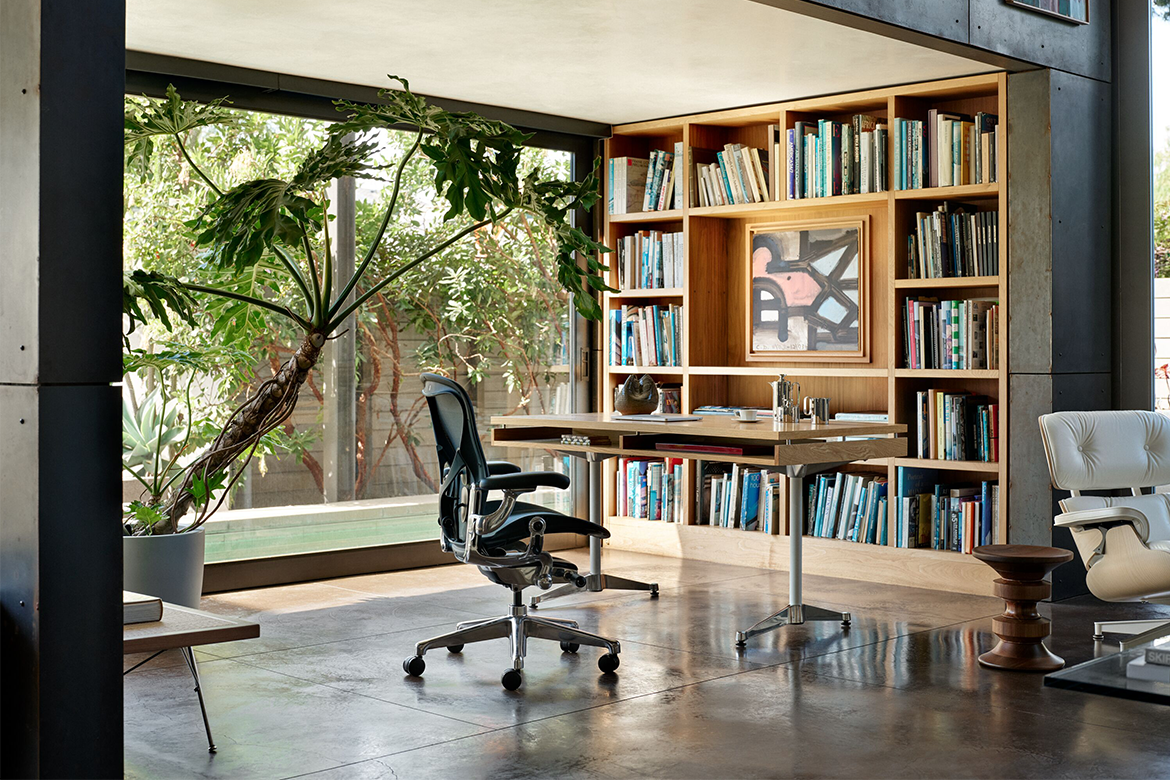
Creating synergies of form, hue and space
When considered from the perspective of the human experience, a chair is not merely an object. It is a human vantage point within a space, it is the focal point for energies and activities, and it is a visual anchor that guides activities and emotions.
Events
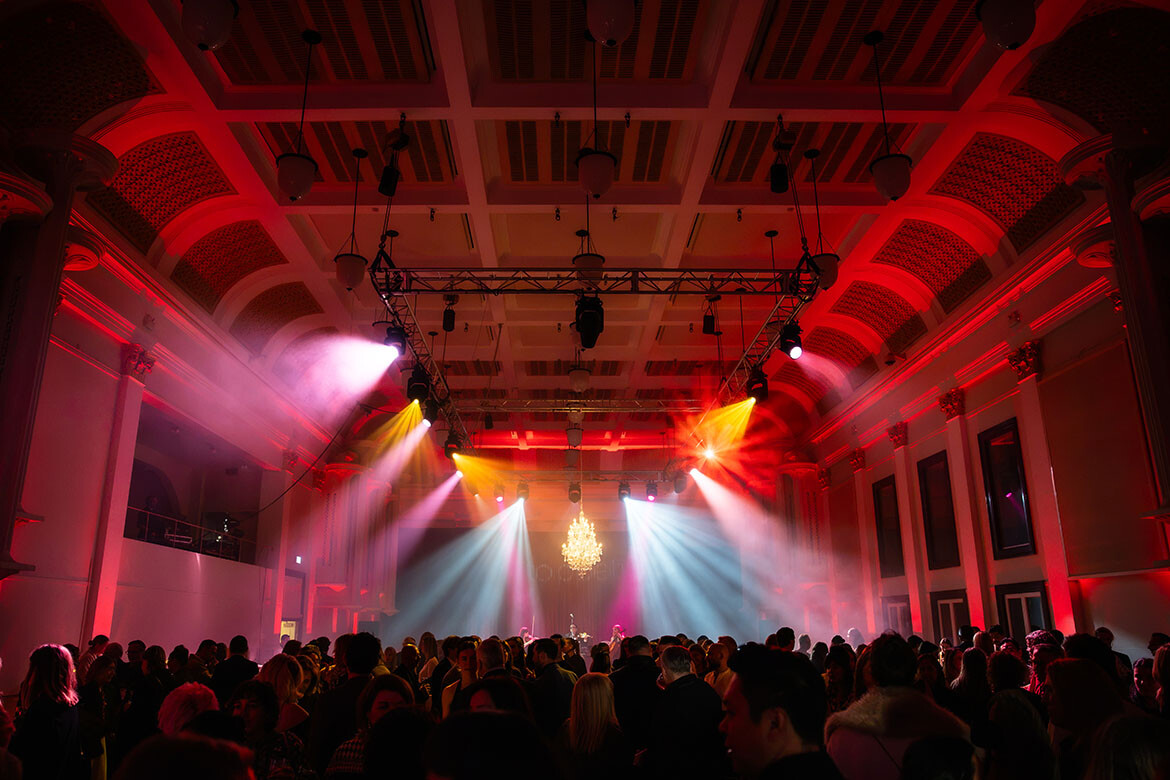
Tappeti marks 20 years of bespoke rug design
At Paddington Town Hall, the Australian rug studio reflected on two decades of bespoke design with an event that brought its archives, collaborations and making processes into motion.
Products
Paola Lenti makes a case for colour confidence
At dedece Sydney, Anna Lenti introduced the Chromatic Alphabet, a new design tool intended to make architects and designers less hesitant about working with colour.