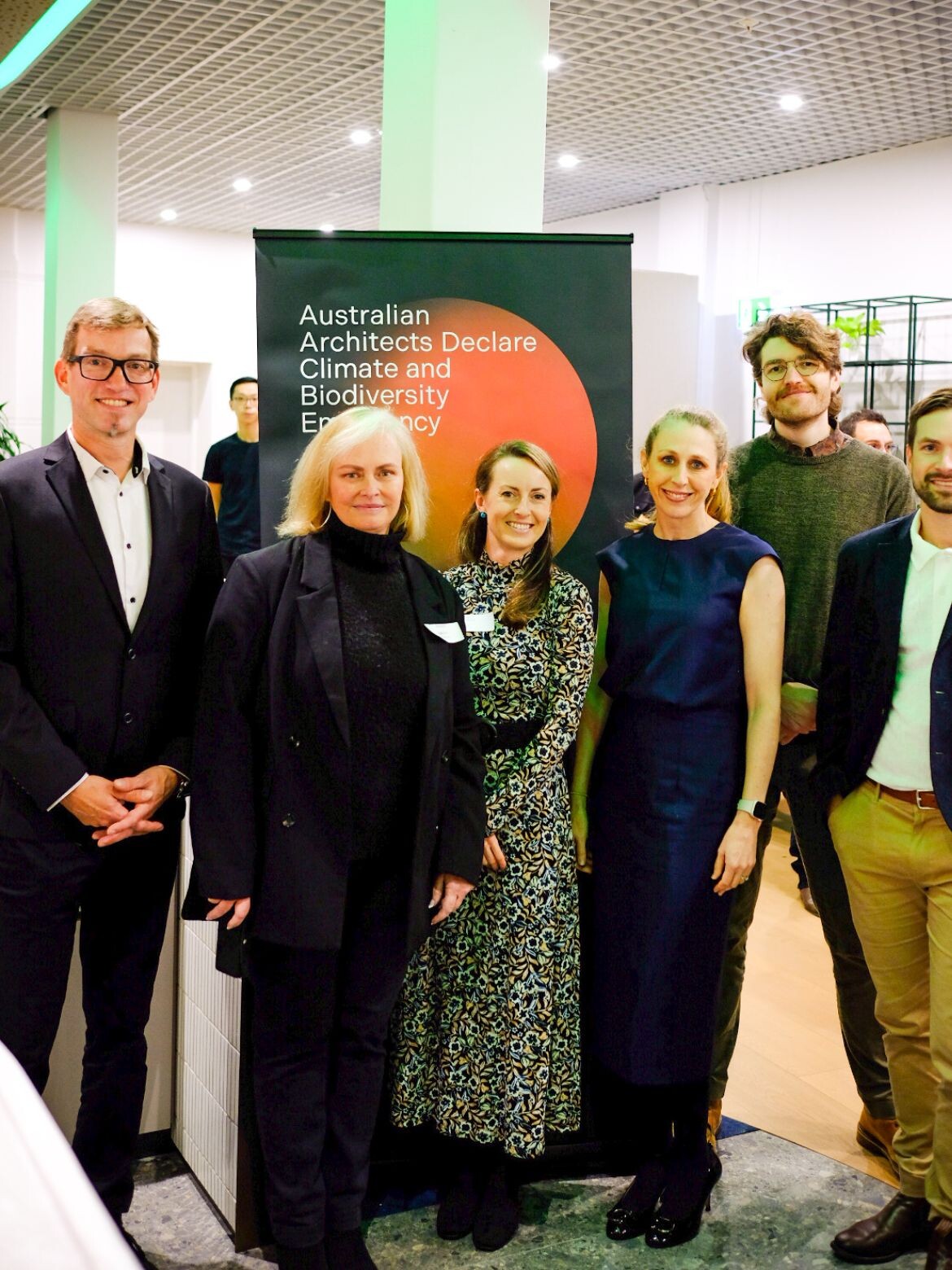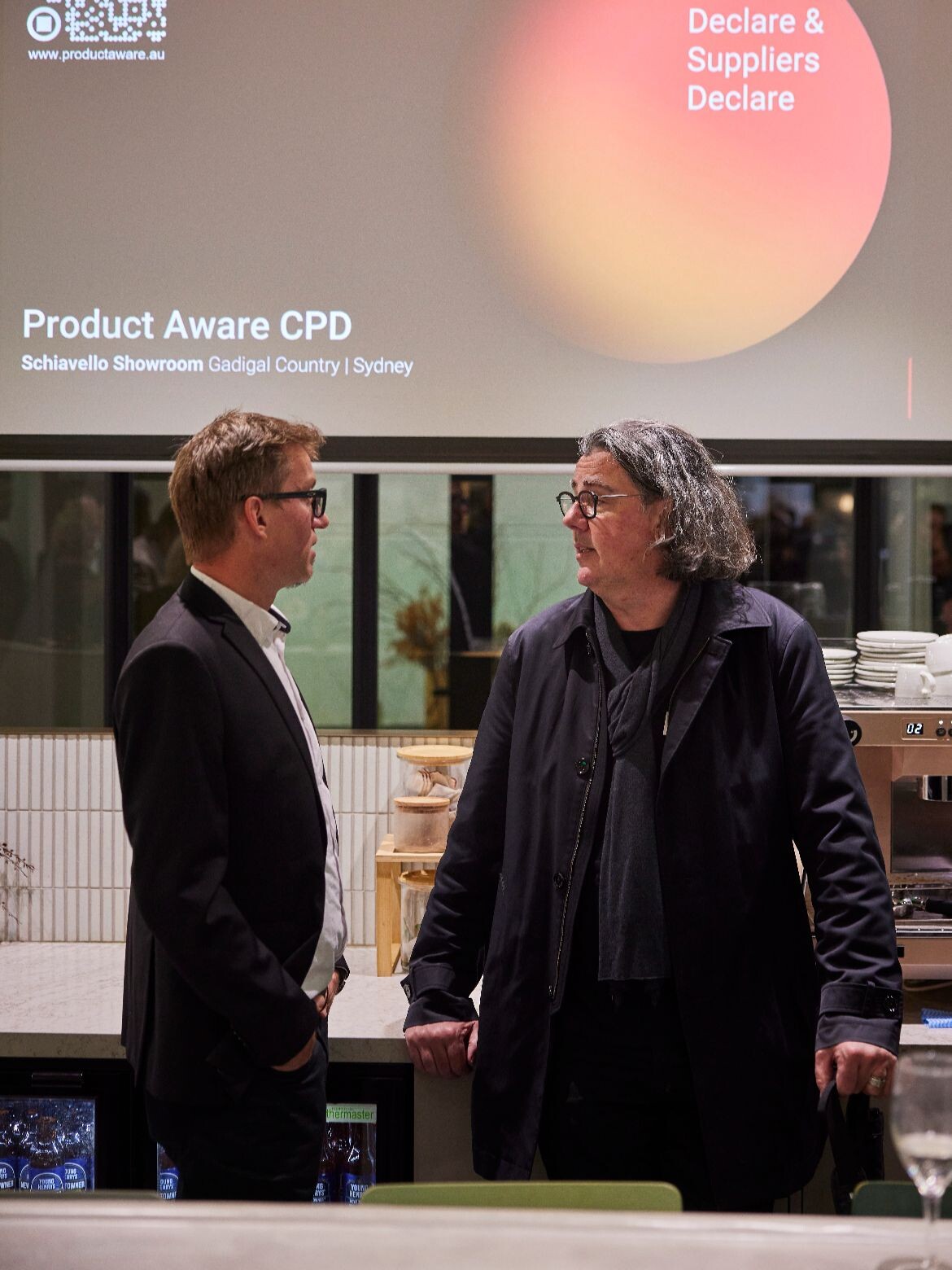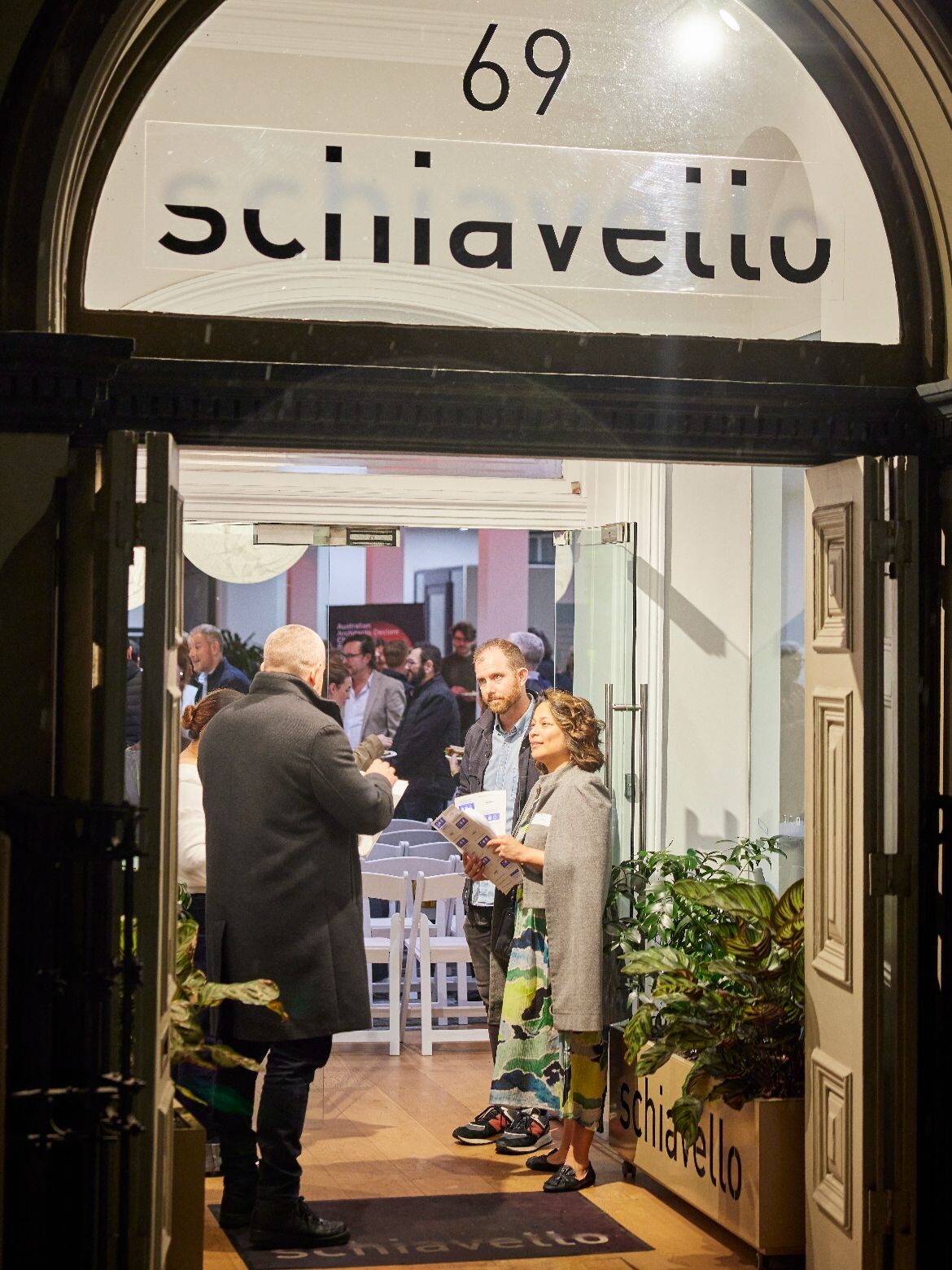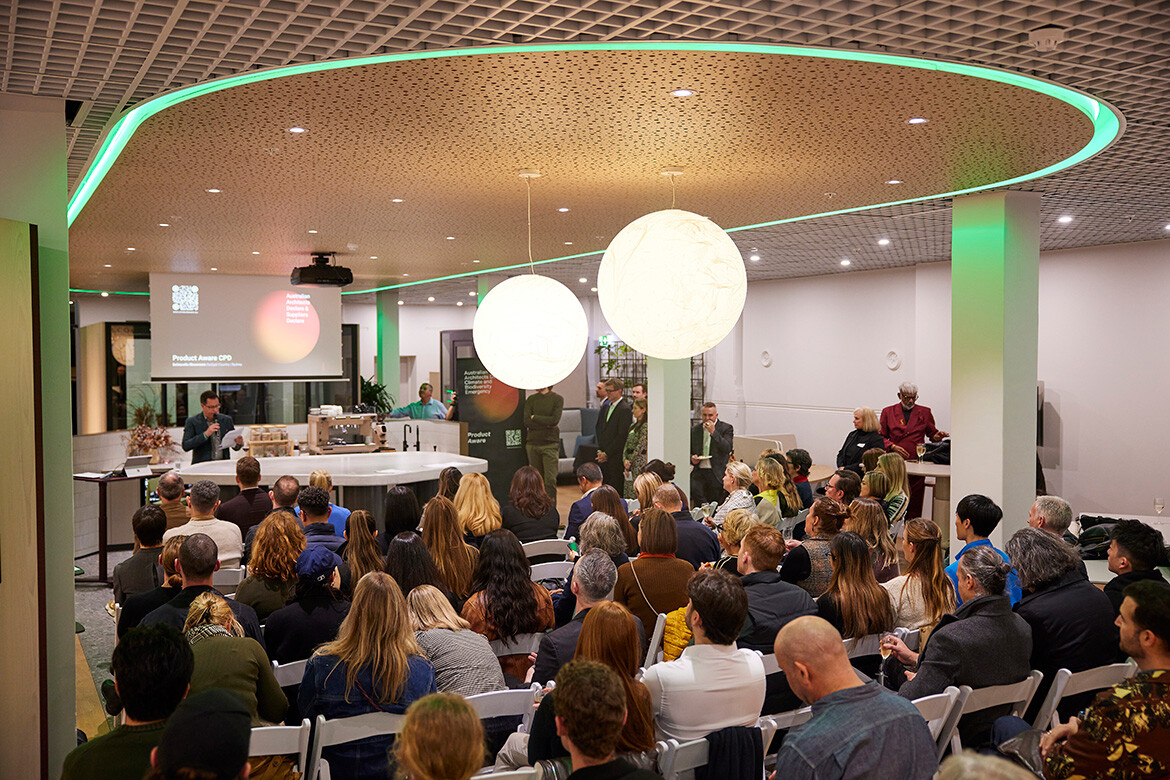
The Product Aware National Symposium has been travelling across Australia, bringing together architects, designers, manufacturers, and advocates who are reshaping how the built environment approaches sustainability and accountability.
The built environment is responsible for nearly 40 per cent of global carbon emissions. For an industry that literally builds the world we live in, the materials we choose – and the people we choose to work with – carry enormous potential to drive climate action. Yet sustainability remains a complex landscape of certifications, claims and definitions that can obscure, rather than clarify, what ‘sustainable’ truly means.
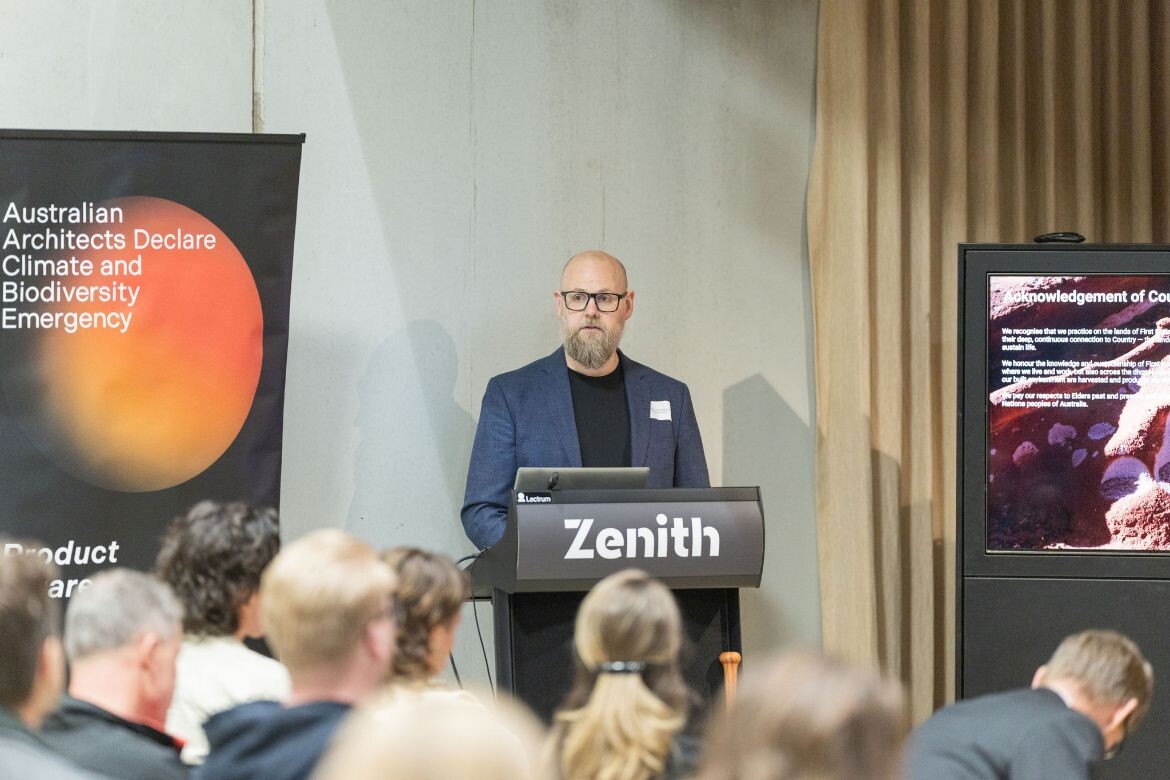
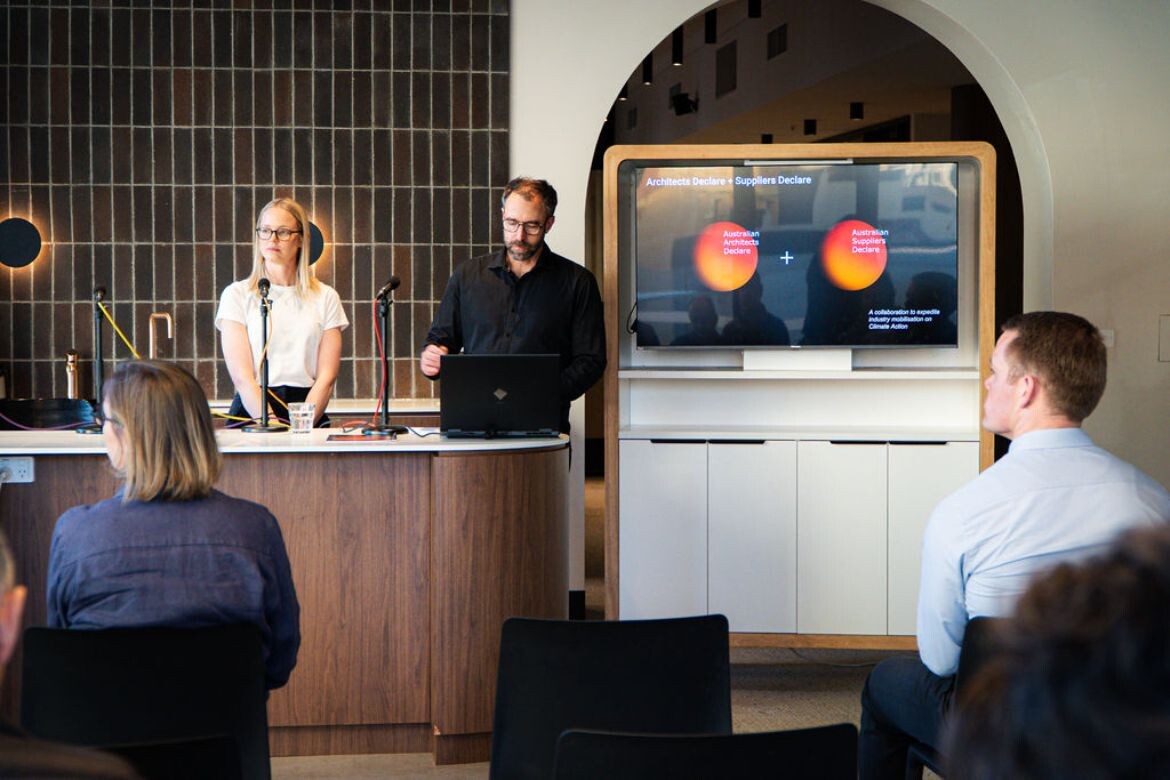
At the centre of efforts to cut through that noise is Product Aware – a free, independent platform created by a consortium of architectural practices and individuals to support the Architects Declare Charter. Its purpose is to make sustainability in product specification simpler, clearer and more transparent.
Built around a standardised supplier questionnaire and centralised database, Product Aware translates complex information into five key pillars: human health, climate and ecosystem, circular economy, waste minimisation and social responsibility. These pillars give designers a consistent way to compare suppliers while helping manufacturers present their data in a structured, credible format.


The team behind the platform’s development is the Materials Working Group of the Australian Architects Declare collective, a group of architects and industry professionals who set out to create a practical, data-driven tool for transparent product comparison. Among them is Adrian Taylor, Regenerative Practice Coordinator at BVN, who has been closely involved since its inception.
“Product Aware starts conversations across the industry,” says Taylor. “One of our most powerful tools is the question, especially those we are all asking. Sometimes ‘I don’t know’ is a valid, if not preferred, answer. That’s where we know where to start.”
The Product Aware National Symposium, jointly driven by Architects Declare and Suppliers Declare, brings these principles to life through a CPD-accredited national event series that fosters open discussion and shared learning. Each session connects designers and suppliers to exchange practical steps, challenges, and insights on the path to more responsible specification.
Related: The Kengo Kuma interview
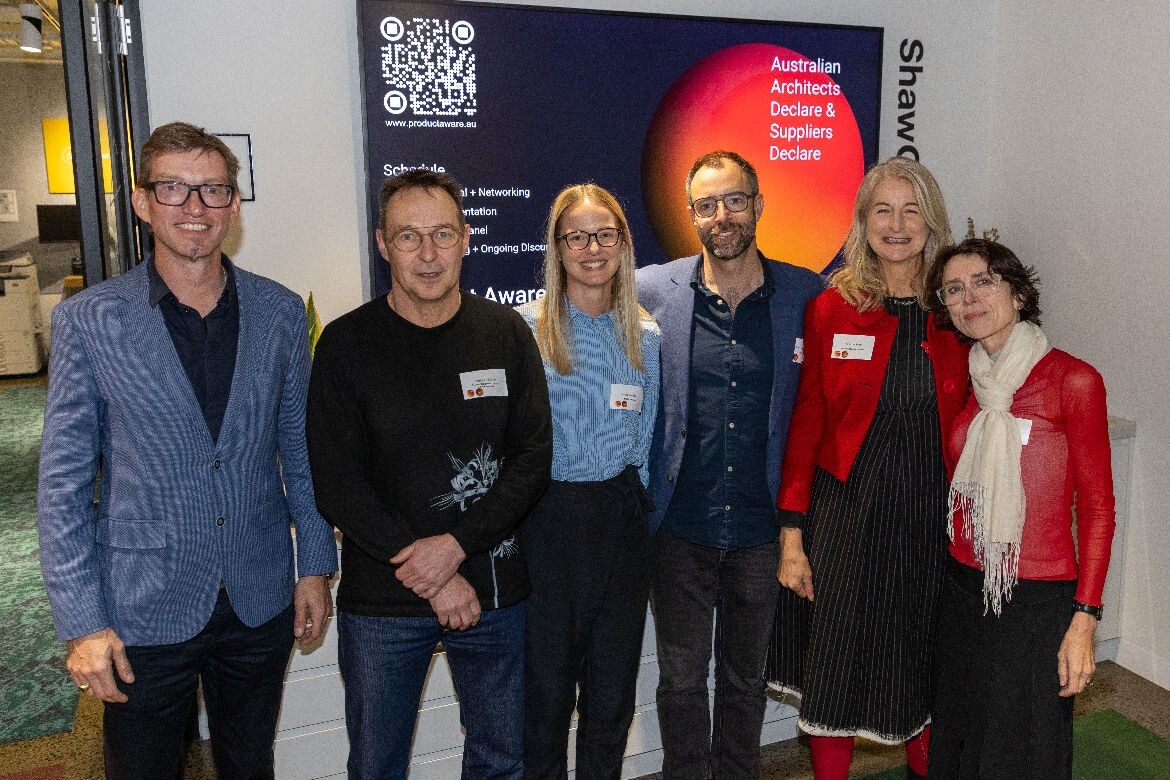

As Taylor explains, Product Aware’s real strength lies in participation. When more designers and suppliers engage, the platform becomes a shared asset for the entire industry, a common language that makes sustainability easier to act on.
“We can’t rely on others to lead this shift – we have to be part of it,” says Leigh Rust, Director of Safetyline Jalousie and founder of Suppliers Declare. “The Product Aware National Symposium has created an incredible forum for connection, bringing together suppliers, architects and designers who all want to do better. My advice to any business starting on its sustainability journey is simple: take the first step. Use Product Aware as a guide, ask questions and be transparent about where you’re at. That’s how real progress begins, and it’s been inspiring to see so many suppliers join both Suppliers Declare and Product Aware to be part of that journey.
“Product selection is one of the most powerful decisions in a project. As manufacturers, we have a responsibility to make those decisions easier by being transparent about our materials, performance and environmental impact. That’s been our ethos at Safetyline Jalousie from the beginning: to lift the benchmark wherever possible and deliver the best outcomes for our clients and the built environment.”
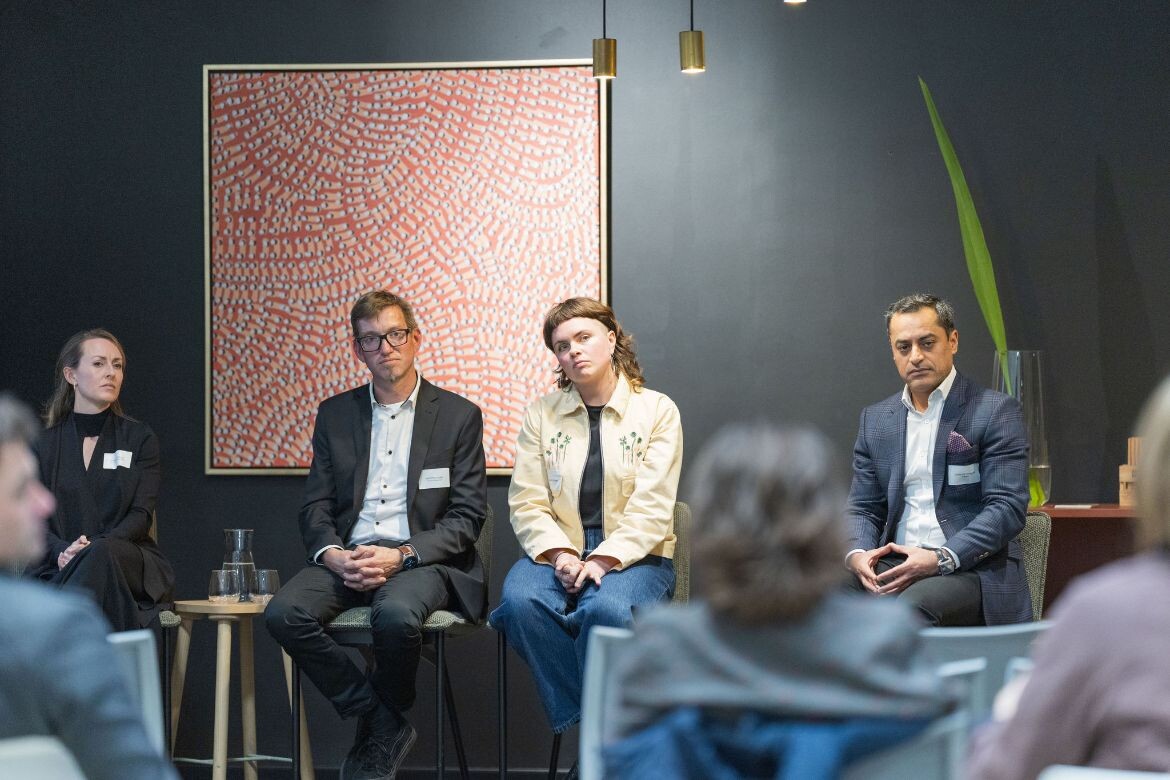
With more than 1,200 architectural practices now signed to Australian Architects Declare, the message is clear: progress depends on shared effort. Through Product Aware and the Declare networks, the industry is finding common ground, where transparency becomes the standard and sustainability a mutual responsibility.
“These symposiums have revealed the curiosity and generosity of both designer and supplier,” reflects Taylor. “Each session brings new ideas, insights and perspectives. The platform will continue to evolve as the industry responds to our shared desire for sustainable procurement. Solutions aren’t always straightforward, but now, with Product Aware, we have a mechanism to identify gaps and begin addressing them together.”

As the symposium series nears its conclusion, the conversation is widening – from product specification to the full chain of responsibility. Every stage, from sourcing and manufacturing to construction and beyond, shapes outcomes for people and the planet. In a sector still clouded by inconsistent data and the risk of greenwashing, Product Aware brings clarity and accountability, guiding the industry toward measurable progress.
“Innovation will come from those willing to address bottlenecks,” says Taylor. “The Product Aware criteria might reveal the opportunity, but it takes action, a touch of risk and a lot of collaboration to develop and prototype holistically sustainable products.”
Ultimately, Product Aware demonstrates how shared frameworks can move sustainability from intention to implementation. By connecting architects, designers and manufacturers through a single, transparent system, it’s helping redefine what responsible specification looks like and proving that meaningful change in the built environment begins with openness, trust and a collective purpose.
Product Aware
productaware.au
Architects Declare
architectsdeclare.com.au
Suppliers Declare
suppliersdeclare.com
Photography
Alexandra Bogdanova, Tyrone Branigan (Sydney)
Matt Houston Photography (Melbourne)
Ben Appleton (Canberra)
Brandon Grey Media (Brisbane)
Brickworks (Adelaide)
Bianca Cicala (Hobart)