The home of architecture and design in the Asia-Pacific
Get the latest design news direct to your inbox!

Get the latest design news direct to your inbox!
The Austrian company Gebruder Thonet Vienna GmbH has a legacy of pioneering the use of the mechanical steam bent process on a grand scale that forms the core of their universally recognised signature curves and elegant designs.
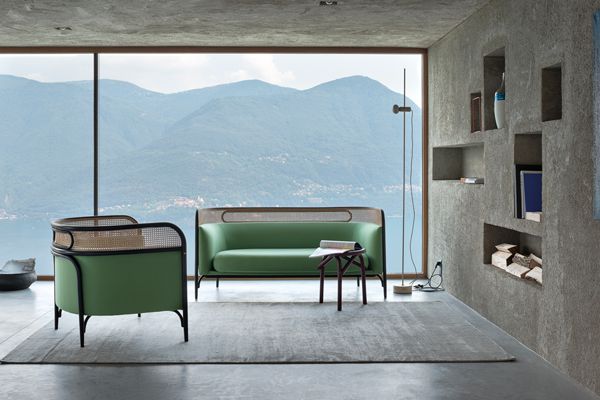
April 7th, 2016
Established in 1853 as a family business helmed by Michael Thonet, the company began when Thonet moved from Germany to Austria and was invited to create a patented product by a well known chancellor. Enlisting his five sons to work alongside him, Thonet swiftly developed Gebruder Thonet Vienna GmbH’s signature technique – the mechanical steam bent process.
A marked departure from traditional glued lamellar wood, the steam bending involves steam heating wood which then becomes more pliable and able to be bent into the desired shape and configuration. For GmbH, this meant continuous curves in a majority of their designs, including the iconic No. 14 Chair, which had been produced over 50 million times between 1850 and 1930.
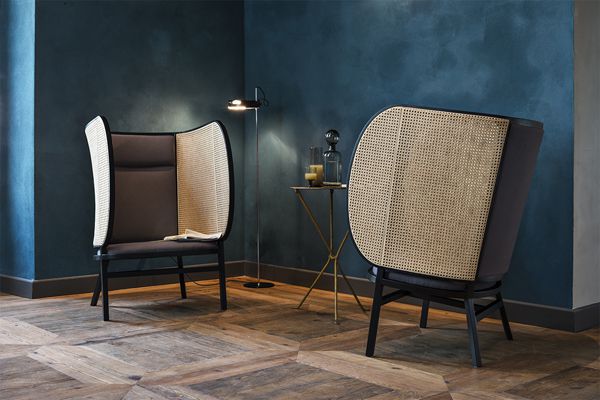
Since inception, GmbH has continued to be at the forefront of design – expanding their range to a comprehensive collection high quality furniture that includes sofas, tables, bookshelves and coat stands. All are crafted with GmbH’s impeccable attention to detail and dedication to quality.
Space is excited to bring Gebruder Thonet Vienna GmBH to Australia, Singapore, and Malaysia, with the addition of many of the designer’s key pieces to their extensive range.
Space Furniture
spacefurniture.com.au
INDESIGN is on instagram
Follow @indesignlive
A searchable and comprehensive guide for specifying leading products and their suppliers
Keep up to date with the latest and greatest from our industry BFF's!
The internet never sleeps! Here's the stuff you might have missed