The home of architecture and design in the Asia-Pacific
Get the latest design news direct to your inbox!

Get the latest design news direct to your inbox!
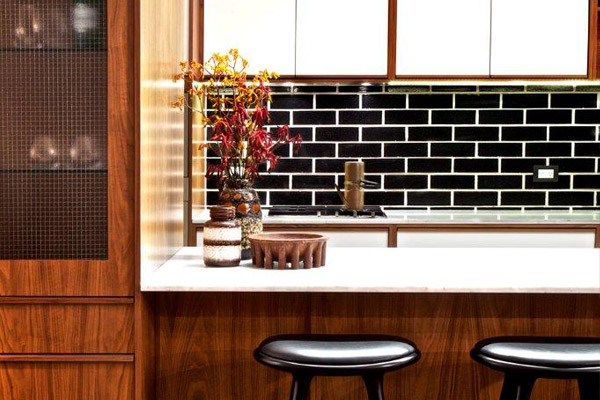
An internal feature PGH brick wall makes an impressive comeback as part of an award-winning renovation, with one of the Teneriffe Apartments taking out the 2013 Australian Interior Design Award for ‘Best of State – Residential Design QLD’.
January 15th, 2014
This outstanding renovation was the creation of Brisbane-based interior designers, Wrightson Stewart. The existing grittier architectural elements of this former wool store like the solid oak floor, exposed timber and steel trusses, massive, seven metre high raked ceilings and the original internal red brick perimeter walls, provide the perfect backdrop and counter balance to the modern, streamlined building products used.
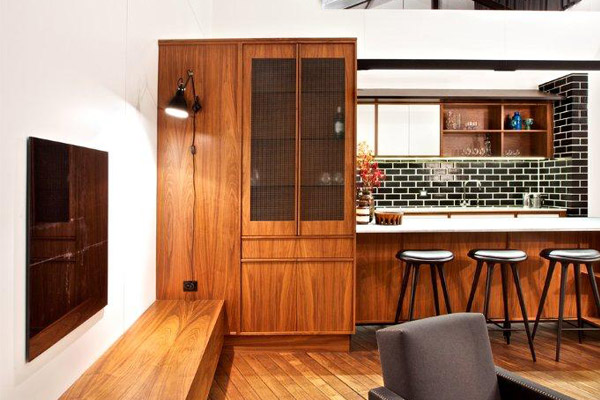
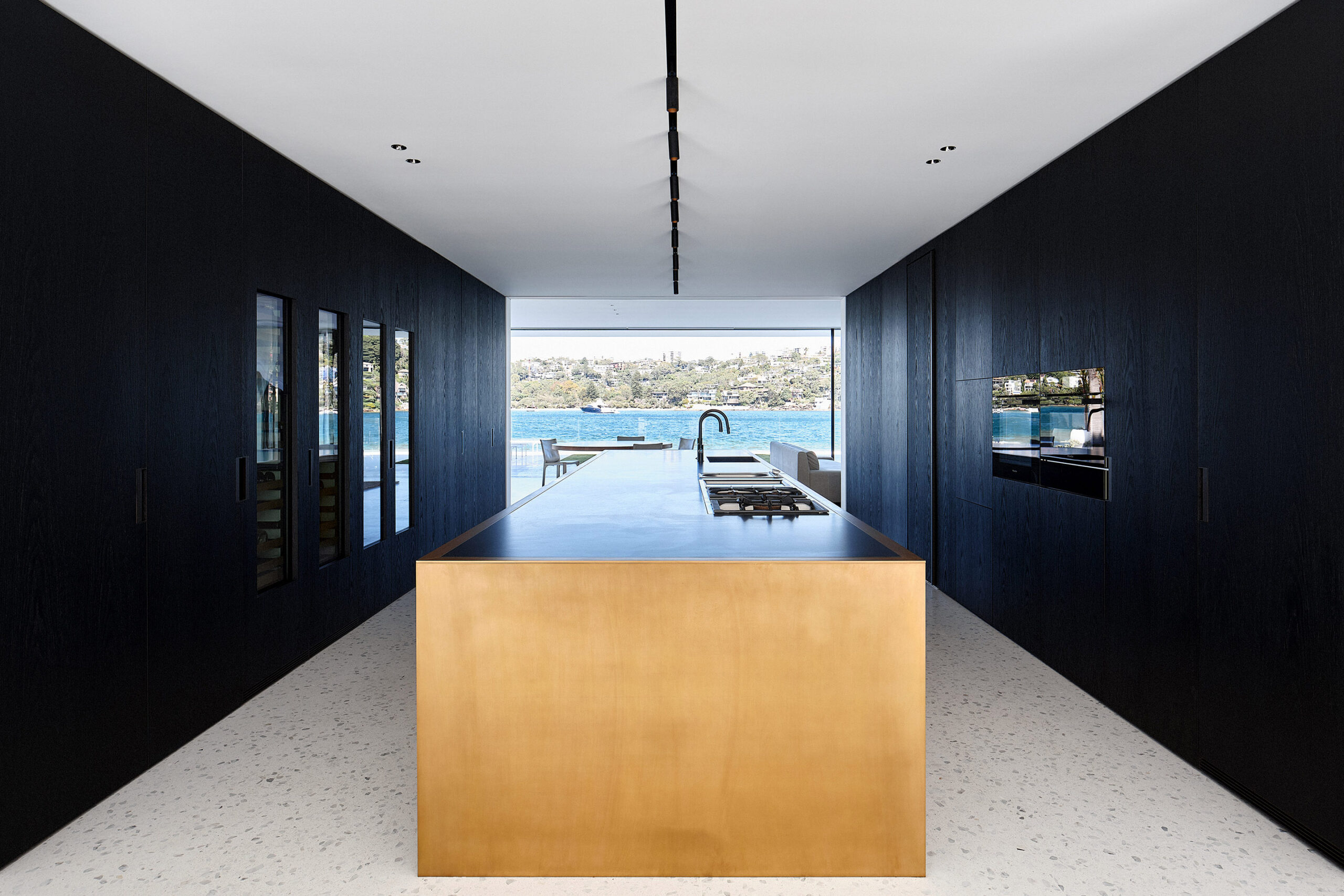
One of the more profound examples is the open plan kitchen area, which features a fully glazed black brick splashback and dividing wall. The use of brick in this area challenges convention – a playful way to add layering to the existing raw brickwork. Nobel bricks from the PGH Academy collection were selected because of their contemporary attributes – sharp arrises, high gloss finish, smooth texture and deep solid colour – that perfectly contrast with the cabinetry, timber floor, white painted walls and ceilings, and the original handmade red brick.
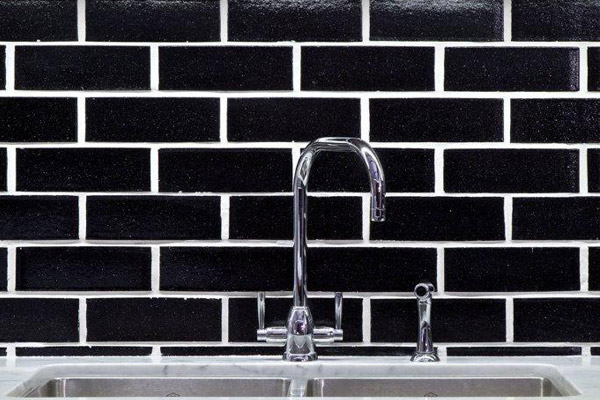
This project has without doubt revived interest in the humble ‘feature brick wall’ as a relevant and significant interior design element. To this end, PGH Bricks & Pavers have worked with leading colourists and design houses to create a comprehensive range of glazed, metallic, dry pressed and and sandstock face bricks in an almost limitless range of colours and textures.
PGH Bricks & Pavers
pghbricks.com.au
INDESIGN is on instagram
Follow @indesignlive
A searchable and comprehensive guide for specifying leading products and their suppliers
Keep up to date with the latest and greatest from our industry BFF's!
The internet never sleeps! Here's the stuff you might have missed