The home of architecture and design in the Asia-Pacific
Get the latest design news direct to your inbox!

Get the latest design news direct to your inbox!
Metal has many applications in commercial architecture. We look at just a few.
November 25th, 2014
Above: Aim Architecture
The history of mankind’s association with metal can be traced back to as early as 6000BC, when gold, copper, iron, lead, silver, mercury, and tin were utilised for everything from jewellery to weapons.
Nowadays there are 86 known metals. However before the 19th century, only 24 of these had been discovered, meaning that metal is becoming more and more important to man as time goes on.
Since the first iron-frame skyscraper (Oriel Chambers, Liverpool) in 1864, architects and designers have embraced metal in all its guises. Here’s just a few designers we love today, employing the material in various ways.
Locker Group: Brass
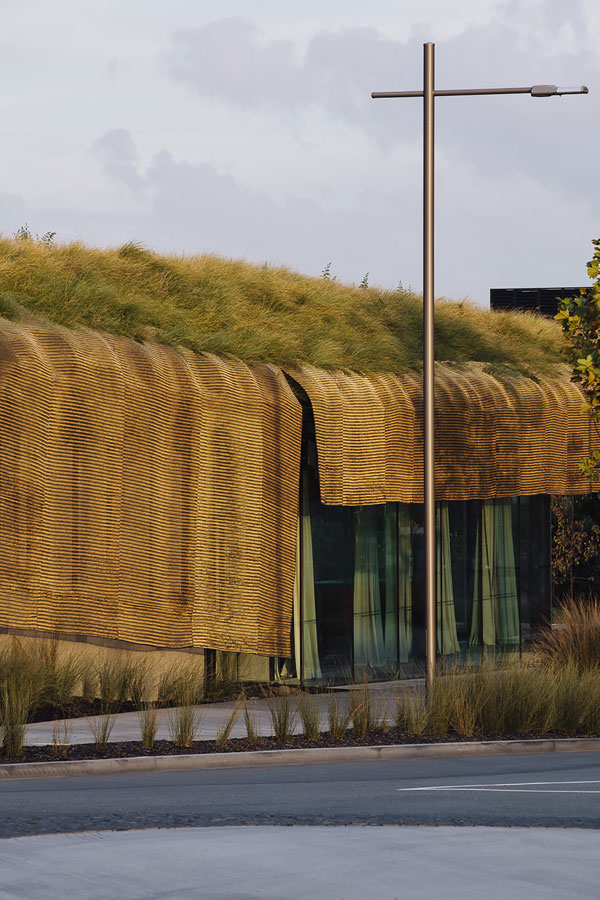
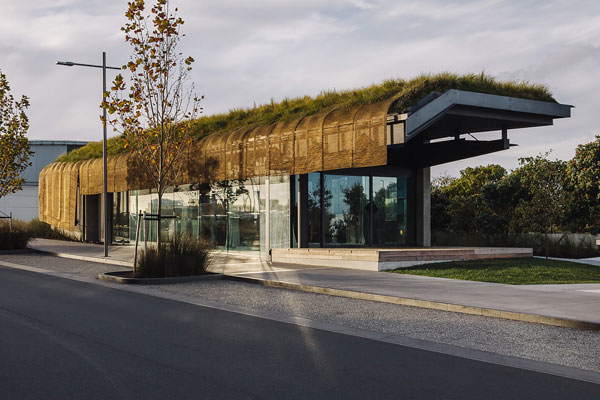
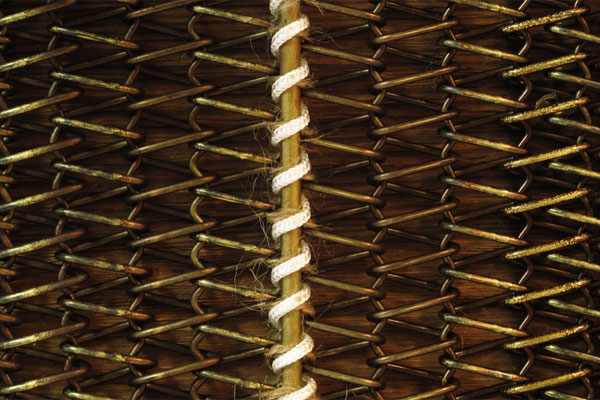
Photography by Simon Wilson
Since 1956 The Locker group has been serving the architectural community, with a range of expanded and perforated metal, wire mesh and curtains utilised in facades, balustrades, screening and interior applications.
The sheer beauty of metal can be seen in Te Kaitaka at Auckland Airport. This is a highly sculptural event space created by Fearon Hay Architects, utilising the Locker Group’s woven mesh screen of brass spiral wire to create a cloak.
Aim Architecture: Aluminium
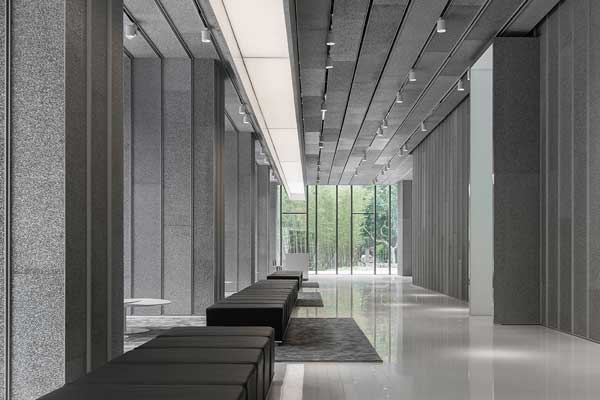
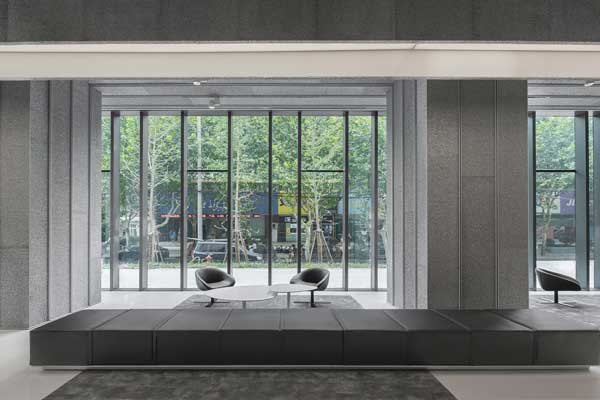


Aluminium is one of the most architecturally edgy products on the planet. Not only is it lightweight, it’s strong and can be shaped into a multitude of forms.
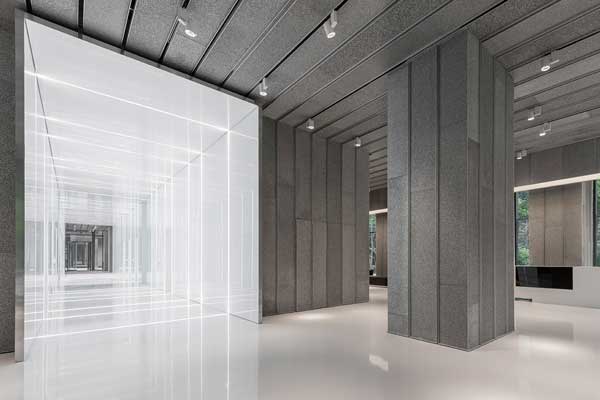
This is why we love this recently completed project for the lobby of an office building in Shanghai, by Aim Architecture. More than 3000 square metres of aluminium foam was used for cladding on the walls and ceiling to create a space that is at once futuristic and striking. The aluminium foam also provides excellent acoustic properties.
Stormtech: Stainless Steel
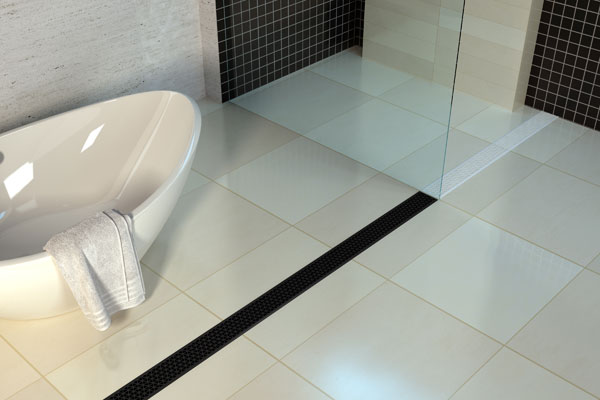
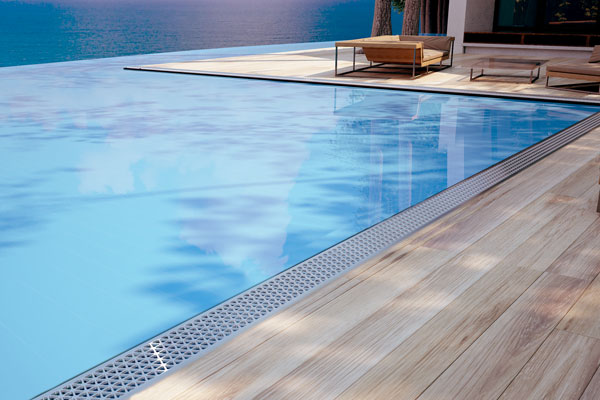
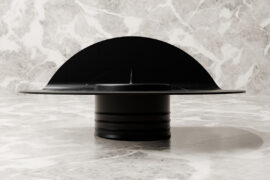
This Sydney-based company pioneered the linear bathroom grate back in 1989. In doing so they created a more contemporary solution to the traditional round-style grate in the middle of the floor.
All Stormtech products are manufactured from 316 marine grade stainless steel. The linear form allows for a more flexible drainage layout, allowing for a smooth transition between the shower and the main bathroom area, negating the need for a glass screen. Clever.
WOHA: Aluminium
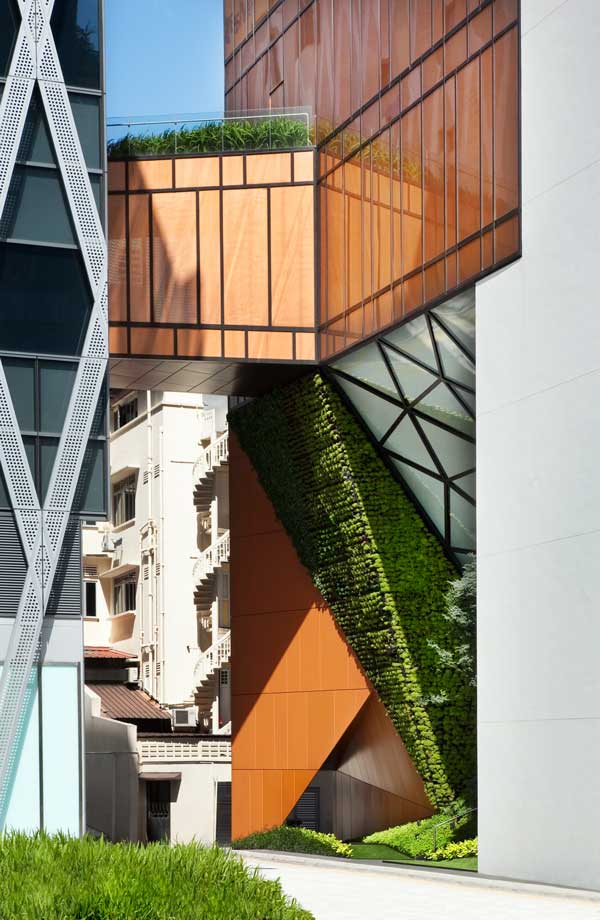
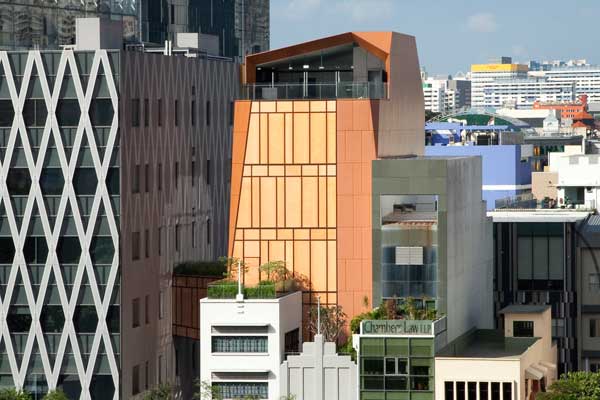
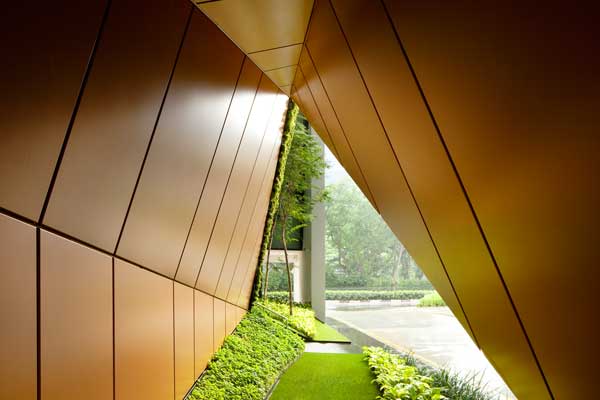
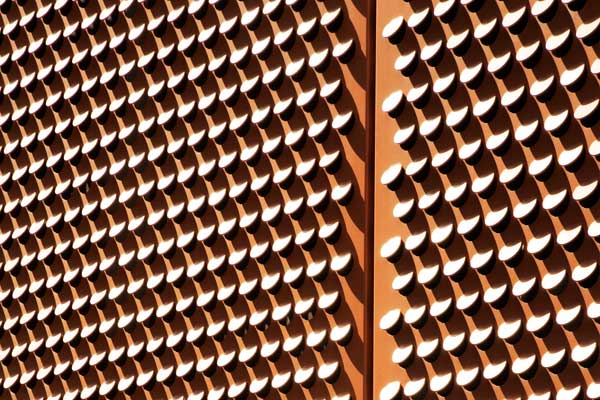
Photography by Patrick Bingham-Hall
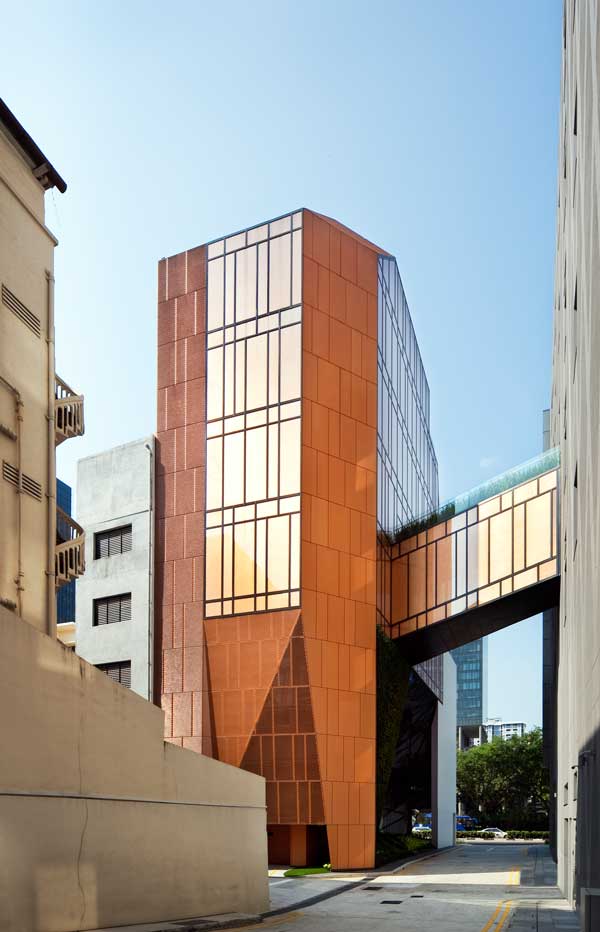
Founded by Wong Mun Summ and Richard Hassell in 1994, WOHA is one of the most respected and awarded architectural firms in SE Asia. Their project at 48 Canal Road in Singapore is a shining example of the firm’s talent.
The brief called for a new boutique office and the reconstruction of a pair of heritage-listed shop-houses. An externalised public pocket park was created at the heart of the office and all flat roof spaces were transformed into lush roof gardens, with the attic featuring the office’s recreational lounge from which panoramic views of Hong Lim Park can be enjoyed.
Permasteeisa Pacific manufactured perforated aluminium panels which WOHA utilised as part of the overall design to juxtapose the conserved portion of the building. The perforations provided ventilation when used to conceal M & E equipment, or against staircases.
Bd Urban Transit Swiss Benches: Galvanised Steel

Team one of the world’s great designers with one of the world’s great furniture companies and the result is bound to be fabulous. That’s certainly the case with these stunning benches by Alfredo Haberli, for Bd. Christened the Transit Furniture Concept.
Although installed equally well inside or outside, the benches have the toughness to withstand vandalism or corrosion yet to not compromise on beauty or form.
Available in two finishes: hot dip galvanised for the industrial look or painted with polyester resin, reflecting the warmth and elegance of bronze. In sunlight or in an illuminated interior, the Swiss Benches project all their beauty.
The designs of the perforations in the metal sheet is another of the novelties of the Swiss Benches.
Words by Stephen Lacey
INDESIGN is on instagram
Follow @indesignlive
A searchable and comprehensive guide for specifying leading products and their suppliers
Keep up to date with the latest and greatest from our industry BFF's!

Presented by Stormtech
The internet never sleeps! Here's the stuff you might have missed