The home of architecture and design in the Asia-Pacific
Get the latest design news direct to your inbox!

Get the latest design news direct to your inbox!
From agile, to the latest tech advancements and a complementary design approach – hear from design leaders at Orgatec 2018 as they share workplace insights while on the Wilkhahn stand.
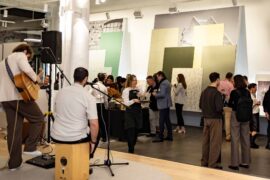
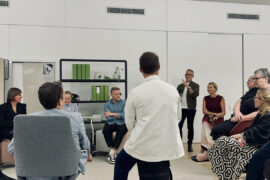
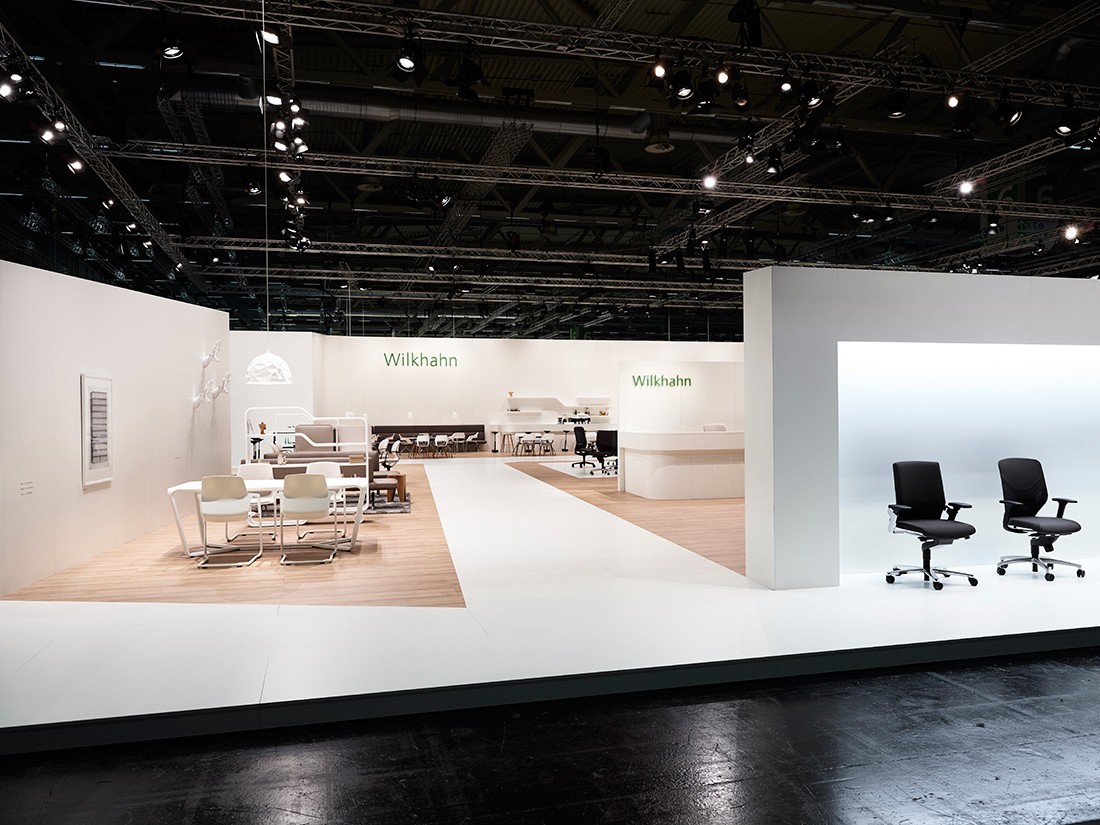
Where is the future of work heading? How can an agile approach be implemented in the workplace? How does furniture help to facilitate this? These were some of the questions we posed to a selection of design industry leaders while on the incredibly spacious Wilkhahn stand during Orgatec 2018 (side note: the Wilkhahn stand was roughly 50 per cent larger than previous years). As a trade fair, Orgatec presents a highly-focused approach, homing in on the commercial furniture sector. Because of this razor-sharp view, it becomes easier to draw out insights about where our workplace designs are going.
In among the crowds of people in Cologne, we had the opportunity to get the insider view from a selection of the best design talent from Asia Pacific, including Gavin Harris, design director at Futurespace, Ellen Yap, practice director Siren Design Singapore, Jordan Schumacher, interior designer Woods Bagot (and our INDE.Awards Orgatec prize winner), and Adrian Nicolini, managing director Wilkhahn Asia Pacific.
“There is definitely a move towards things that are more flexible, multiple-use case,” shares Ellen, “I think the shift in how we approaching tech in the workplace, it’s definitely no longer tech for tech’s sake.” A great example of this in Wilkhahn’s latest products is the Time Table Lift, which now comes with a battery pack, making it not only flippable with a writable surface but also completely untethered. It is the definition of agile furniture in action.

Untethered. The Time Table Lift featured on the stand with no cords.
Taking the notion of creating an agile office, Gavin adds: “Agility in the workplace is interesting, how do you create more, how do you support it, how do you get people to come together? And I think it’s the bringing people together that’s the interesting element.”
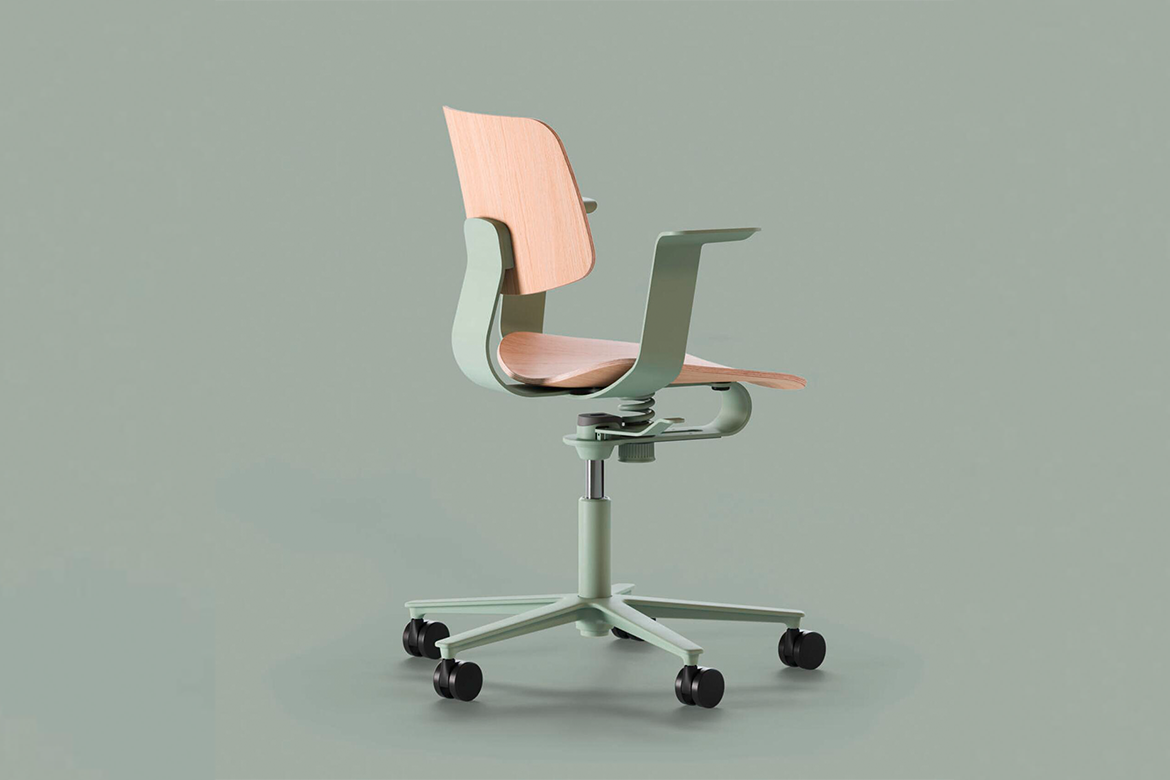
Despite the fact that Wilkhahn launched 10 new products at Orgatec, there was a considered, holistic look and feel from the furniture through to the entire stand experience. This can be attributed to what Adrian describes as a “self-similarity” design methodology.

Self-similarity in design.
INDESIGN is on instagram
Follow @indesignlive
A searchable and comprehensive guide for specifying leading products and their suppliers
Keep up to date with the latest and greatest from our industry BFF's!
The internet never sleeps! Here's the stuff you might have missed