The home of architecture and design in the Asia-Pacific
Get the latest design news direct to your inbox!

Get the latest design news direct to your inbox!
“I have a tactile way of working, I often start with a material that interests me,” shares Dutch-New Zealand designer Sabine Marcelis.

Dutch-New Zealand designer Sabine Marcelis seemed destined to become a designer.
She had hopes of becoming a pro-snowboarder – a destiny that feels fitting for a young New Zealander with equal parts ambition and imagination. But that didn’t eventuate and instead, Marcelis pursued industrial design at Wellington’s Victoria University. Two years into what was a very technical and industrial degree, Marcelis got “itchy feet” – another destiny that many a New Zealander has followed. Dutch-born, Marcelis felt the pull of her birthplace and headed for the Design Academy Eindhoven in Rotterdam where she would complete her studies.
“Looking back, I’m glad for the New Zealand study,” she says. “It was quite technical where the Academy was experimental.” And while the plan was to stay overseas for just a few years, Marcelis feels connected to her life and her community in Rotterdam – a “rough, metropolitan city” where the architecture is interesting and “the people are no bullsh*t”. Here she has built a strong network of clients and manufacturers, which feed into both her commercial and private practice.
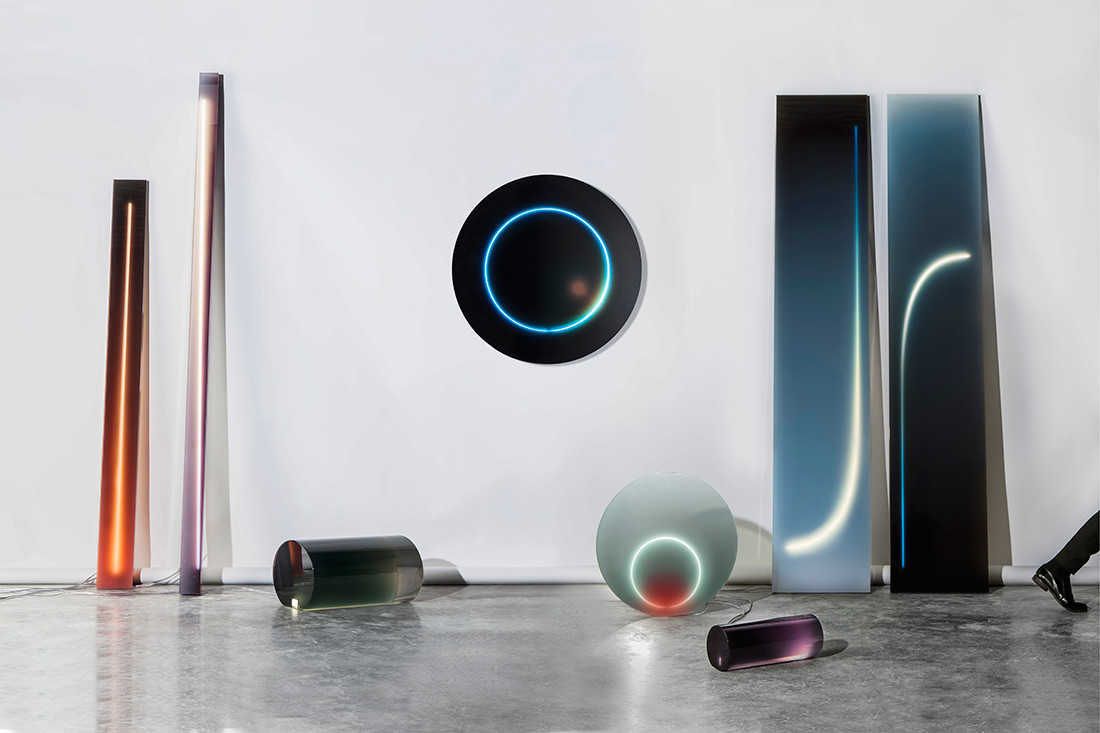
In Marcelis’ artistic work, she prefers to be hands-on. “I have a very tactile way of working, I often start with a material that interests me,” she says. Resin and lighting have been a source of some fascination and Marcelis has spent many hours in the resin workshop, experimenting with production processes. The result is the ‘Dawn’ light series, exploring the relationship between light, colour, transparency and saturation. This, a continuation of her intensely beautiful ‘Voie’ light series.
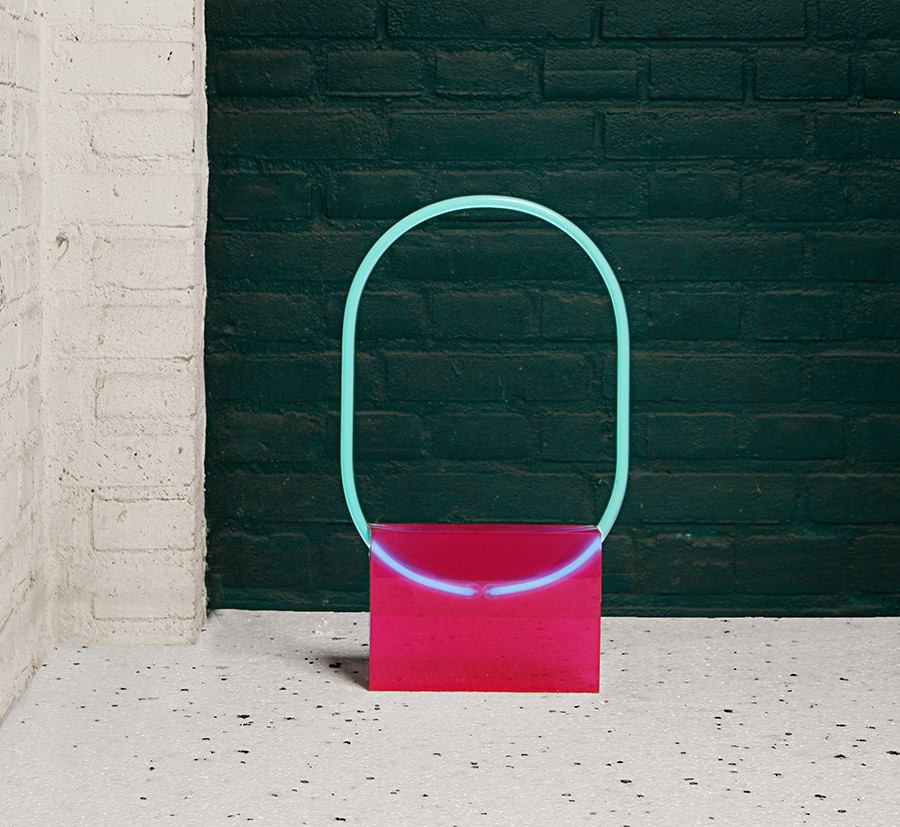
Voie lights. Photo by Lee Weis Wee.
The ‘Dawn’ series, commissioned by the Victor Hunt Gallery in Brussels, saw Marcelis exhibit at Design Miami in the U.S. in October 2015. Following that she was invited to show as part of Project Rotterdam’s major showcase of new generation talent at the Museum Boijmans Van Beuningen.
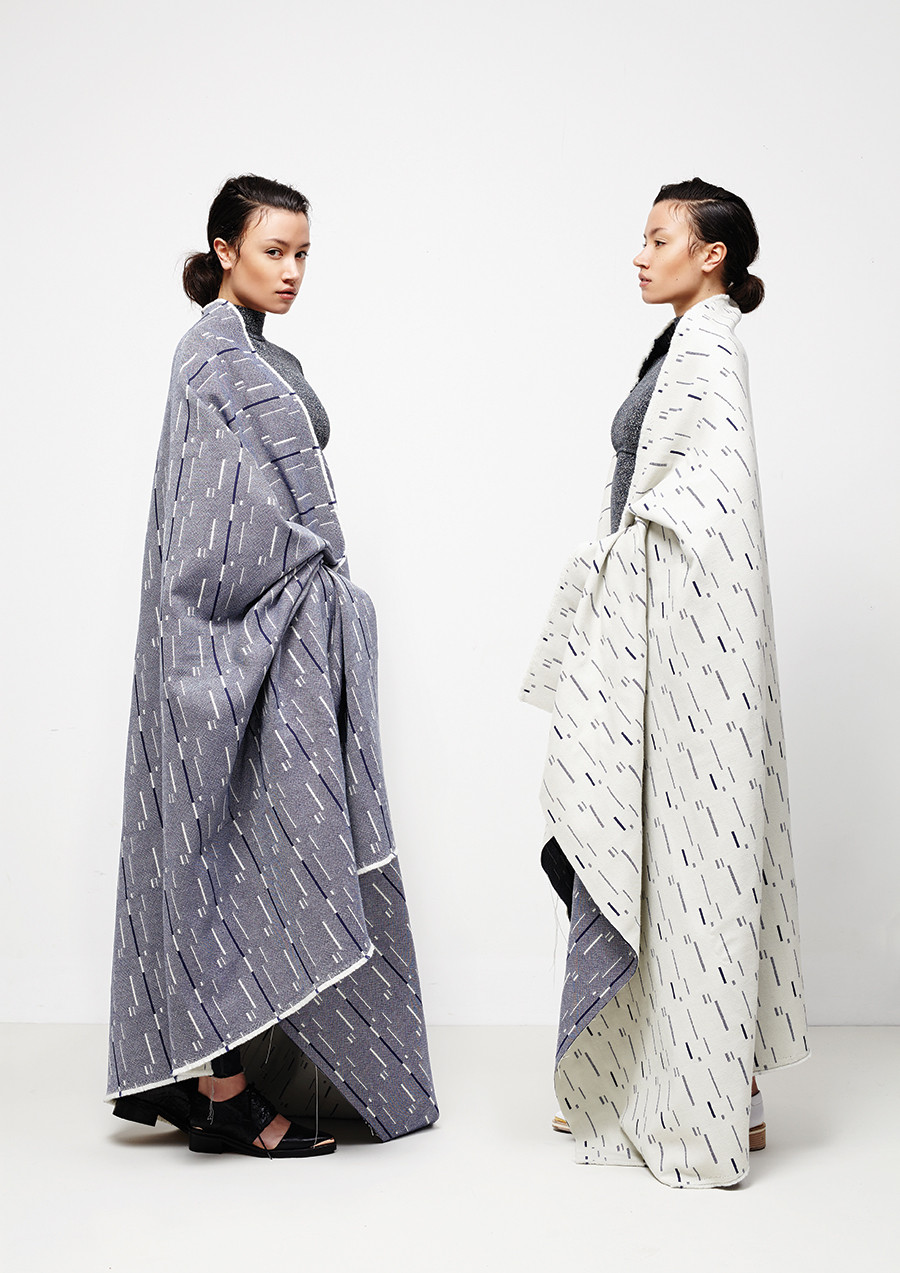
While Marcelis has worked with an impressive list of private fashion and architect clients (consulting in material development and producing items for interiors), it’s the interest from gallerists that has her truly elated.
“In a way, my New Zealand mentality [is still present]… you never realise that people might like what you do and see it as having value. I do it because it interests me. The museum [commissions] are very unique, and I’m super lucky.”
Want more raw design talent? We take a look at the next generation of Japanese architects. Stay in the loop, join our mailing list.
INDESIGN is on instagram
Follow @indesignlive
A searchable and comprehensive guide for specifying leading products and their suppliers
Keep up to date with the latest and greatest from our industry BFF's!
The internet never sleeps! Here's the stuff you might have missed