Making the strange your secret power
Published

In establishing a new life in Copenhagen, Nikolai Kotlarczyk uses his experience of being a newcomer to nurture new design ideas.
In his home studio in Copenhagen, Nikolai Kotlarczyk sat down to delve into his ethos around design. With that as the impetus for our meeting, it became immediately obvious that this would be much less about manifestos and edicts and more about design as a kind of conversation.
For Kotlarczyk design is personal. It’s a way to observe the world and connect his experience to a broader sense of interaction. He builds that connection like a conversation where the grammar and vocabulary of form and material come to life through collaboration.

Nikolai Kotlarczyk
Like all good exchanges, one of the most important first steps is paying a ention. Observation plays a pivotal role in Kotlarczyk’s approach to design, underpinning much of his reason for exploring outside of his birthplace: Australia.
For all that cities offer as environments that are virtually completely designed, it’s easy to miss things. It can all seem a bit mundane. Always on guard against unexamined observation, Kotlarczyk views a place much like a new visitor.
“Maybe it’s something I’ve trained myself to do. I still look around like that. A lot of that comes from being in foreign environments. It’s easy to notice the small details.”

Indre by Nikolai Kotlarczyk for Rakumba
Since 2013, he has been making Copenhagen home. This is the city that would provide the foundation and inspiration for a compelling collaboration. With Rakumba, Kotlarczyk developed Indre – a contemporary lighting design that elegantly addresses nostalgia and the history of Copenhagen’s city centre.
The collaboration and the chance to work with Rakumba’s expansive technical knowledge pushed everyone further. Kotlarczyk notes that, “Indre was shaped by the collaboration. Rakumba really trusted that we’d reach a good outcome. I believe that this kind of collaboration can lead to products that I wouldn’t do on my own. They really need a back and forth, especially technically.”
Rakumba found an opportunity to support a vision and process that challenged their production team, resulting in a product that is uniquely theirs.

Indre by Nikolai Kotlarczyk for Rakumba
Another important collaboration that illustrates how Kotlarczyk’s practice builds through provocation and openness is the Royce Armchair. Developing the chair to live within SP01’s collection meant working to build a new language together.
Again, bringing himself to the work, Kotlarczyk turned his stranger-in-a-strangeland focus to his original home and found inspiration for the chair in the native tropical dove.
“This project came about while thinking of home. When I come home now, it’s like I’m a foreigner. The wildlife in Australia is so loud, colourful and always there. I think I was just trying to bring some of that home over here.”

The Royce by Nikolai Kotlarczyk for SP01
Just as good conversations aren’t monologues, they aren’t free-for-alls either. The design process for the Royce Armchair was exacting and iterative. Kotlarczyk’s sense of collaboration is universal, extending from studios to craftspeople and beyond.
“Building a network of tradespeople is a way to create a base of knowledge when prototyping,” he says. It’s a relationship that he puts a lot of faith in, providing a way to explore technical limitations and build new design languages. His work has all the hallmarks of a great conversation.

The Royce by Nikolai Kotlarczyk for SP01
With a sense of being provocative, playful and stimulating, it’s also smart, generous and observant. The story is the point, the meaning, the reason, and the work always has a relationship to the room or the context.
Kotlarczyk’s approach is truly in-conversation, meaning that it’s personal and demanding while being receptive and inviting. Ultimately, we’re social creatures that build our worlds together – finding shared meaning in honest conversation is what makes us human. It’s the same thing that brings Kotlarczyk’s work to life.
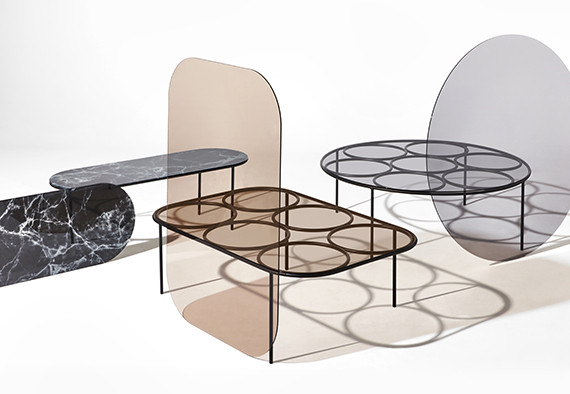
Chapel tables by Nikolai Kotlarczyk for DesignByThem, photo: Pete Daly
Storytelling also plays an important role in Kotlarczyk’s work, which takes a very “personal approach”. “It’s not like I can draw a chair and be happy,” he says. “I need a reason to start the framework around the project: a way to get passionate. Context is a design tool. I love design projects that have layers and become more than beauty and utility.”
With lockdown part of life and a second child on the way, Kotlarczyk has embraced the chance to work and build from home and in a new studio.
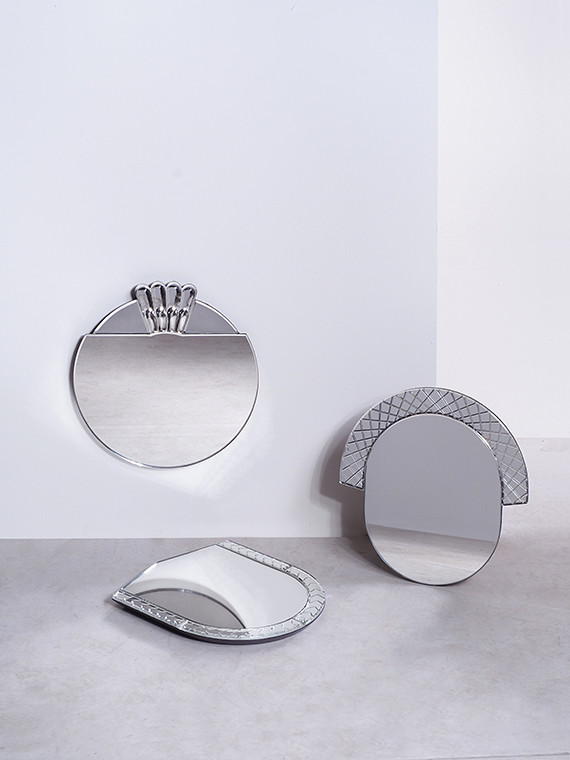
SCENA mirrors by Nikolai Kotlarczyk with Portego
But with a more open future on the continent hopeful, he’s looking forward to getting back to the melting pot that is Europe. Because everything starts with a good conversation.
This article appears in Indesign #84, purchase the issue and pre-order future issues of Indesign.
CZYK Studio
czyk.com.au
Related Articles
Events
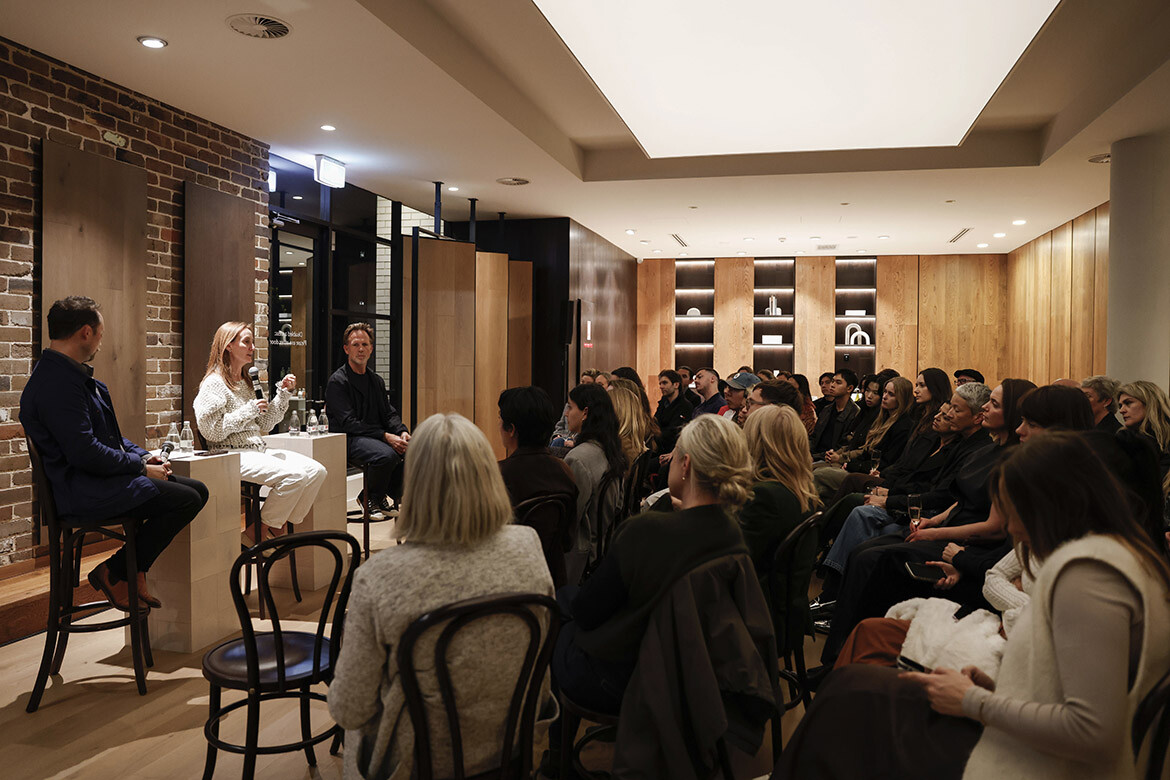
A rollicking good story with Richards Stanisich and Royal Oak Floors
Jonathan Richards and Kirsten Stanisich discussed practice, design process and the business of running a studio at a live audience event hosted by Royal Oak Floors in Sydney.
Events
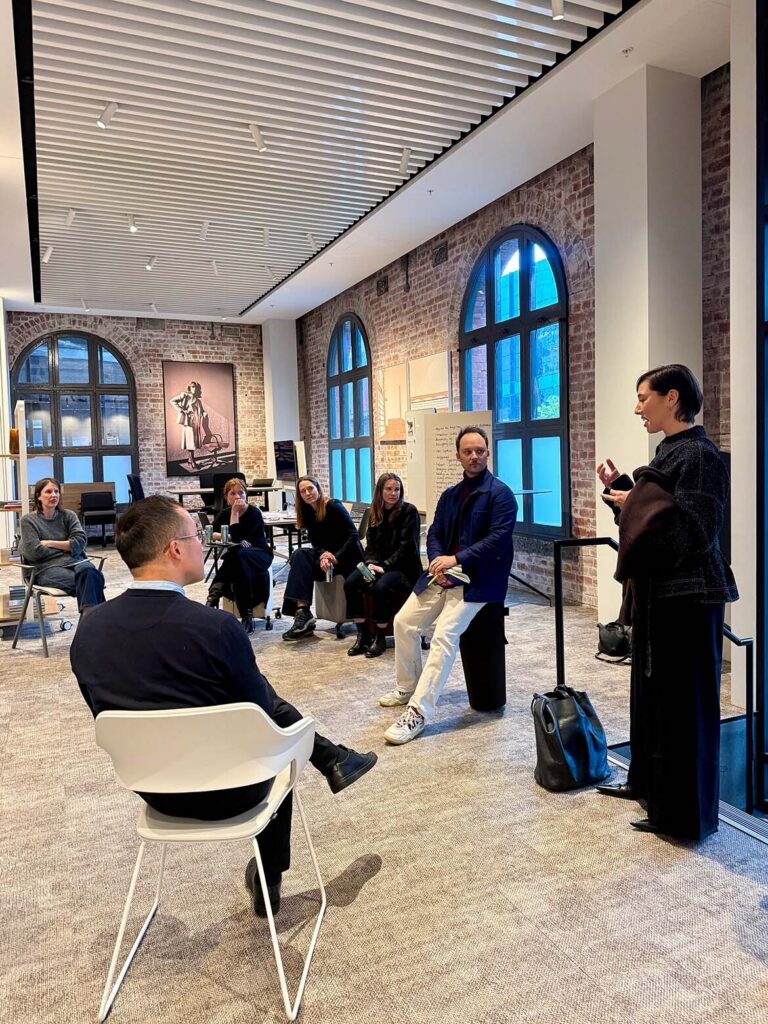
Indesign x Wilkhahn: Melbourne, where are you working?
Our latest collaboration saw a range of designers come together at Wilkhahn’s Melbourne showroom for a discussion on the workplace dynamics specific to the Victorian capital.
Events
“A journey into a whole new material world”: Plant Life at the NGV
Curator Ewan McEoin tells us about the NGV’s new exhibition on plant-based materials as alternatives to plastics, synthetic materials and other non-renewable resources.

Events
The inaugural Coastal Design Assembly is about to make landfall in Sydney
Sophie Lanigan, organiser of a new event centring on Sydney’s relationship to water, tells us what the event’s all about, who it’s for and why it matters today.