The home of architecture and design in the Asia-Pacific
Get the latest design news direct to your inbox!

Get the latest design news direct to your inbox!
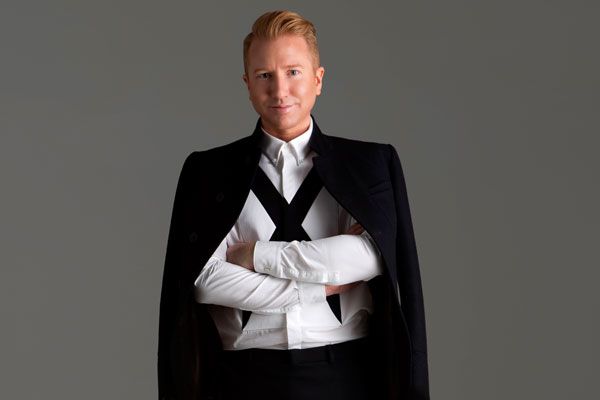
Ahead of Sydney Indesign 2015 we chat to interior designer, James Dawson.
August 8th, 2015
Name: James Dawson
Occupation: Interior Design
Location: Brisbane
Company: James Dawson Interior Design
Position: Head Designer
Can you explain a little bit about your work? My work consists of strong shapes and lines and I’m not really a fan of colour so it steers towards monochromatic tones.
Can you tell us a little bit about your design of the Habitus retreat? The concept for the Habitus retreat dinning area is for it to be both strong and delicate creating a partially private feeling whilst remaining open to allow the guest to feel part of the action. The habitus lounge space that is adjoining the dinning room is much more relaxed and open, it’s a place that will be for relaxing and take a moment to gather thoughts from looking at all the amazing exhibitors.
What was involved in designing and building the retreat? Can you talk a little bit about the design process? The process was a smooth one; I worked along side V-zug and habitus to design the main spaces. We are all in different states so there was a lot of phone conversations and emails to work through all the planning and design stage. I work very organically with not a lot of structure more through feeling.
What materials did you use and why? Materials and finishes were kept to a minimum, so you will see little bits of brass, Dekton marble and strong painted wood shapes and soft cotton white sheer curtains and lots of flowers.
What products did you choose and why? The Dekton Aura was used for the table top in the dinning area; it’s a beautiful product. The Bolon flooring was laid through out in two different patterns one for the Dinning area and the other for the lounge area to show the pattern play within their collection.
Did you collaborate with anyone during the process? We have been working with the sponsors of the Habitus retreat Bollon, V-zug, Dekton and District to get it up and running.
Can you explain your inspiration behind the design? The simplicity of shape and form was the inspiration along with a play on pattern and shapes; I wanted it to be visually adventurous whilst remaining structured and a tiny bit moody. It was important that people felt part of the rest of the galleria whilst feeling private and separated to enjoy the amazing meals created by the V-zug team.
How long did the Habitus Retreat take to build? It will be constructed over a period of a few days leading up to the opening date of the show.
What do you want visitors to feel when they enter the Habitus retreat? I would love for them to feel at home, relaxed so they can have a chat and enjoy the galleria.
What are you most looking forward to at Sydney Indesign? Seeing the Hub Retreat come together and interacting with all the guests.
INDESIGN is on instagram
Follow @indesignlive
A searchable and comprehensive guide for specifying leading products and their suppliers
Keep up to date with the latest and greatest from our industry BFF's!
The internet never sleeps! Here's the stuff you might have missed