IndesignLive recently sat down, or rather screen timed, with Principal of Interiors at Buchan, Mathew Dalby. Dalby is a seasoned global thinker with a focus on design. Not long into the conversation Mat termed a phrase “the conditions are always perfect; it is us who have to adapt”. It seems this is not only true but very poignant in the current climate.
So how has Buchan globally pivoted to suit the market, and what impact has this had upon its people, culture and clients?
Being a global studio, they were alerted early to the temperature of the crisis from their studio in Shanghai, giving management significant visibility over what was to come, what to do and how quickly to react in Australia.
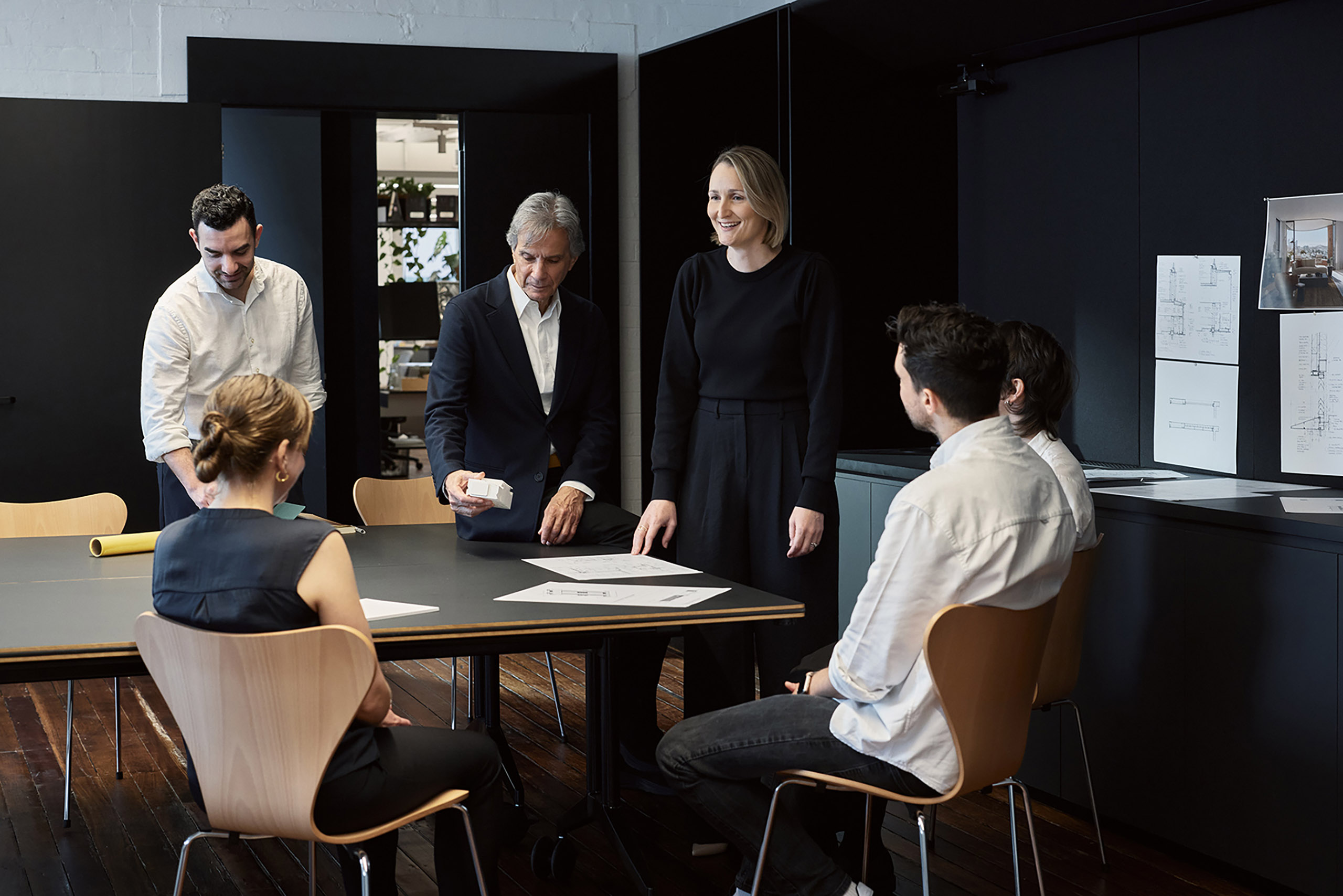
Their business was already well versed in inter-studio communication and many staff were already utilising remote working capabilities. This existing infrastructure meant the decision to move the majority of their staff across all studios globally to ‘work from home’ was able to be made quickly and effectively, with many clients providing feedback that they experienced no impact on service level during the transition.
With all the will in the world there can still be a lag at times in communication but Dalby genuinely feels that working online (in their case using Microsoft Teams) is a great opportunity to build creativity. You don’t always need to be in the same room to collaborate. Indeed, the capacity for creativity can be enhanced through utilising technology and putting in a concerted effort to make it work.

Dalby believes that as people settle into their circadian rhythm in its truest sense, their aptitude for innovation is enhanced. There is huge liberation through flexibility for everyone. If we revert back to stale, stringent and inflexible methods of working when things return to some sort of normality then clearly, we will have failed. The flexibility we are building with each other at the moment is the basis to propel us into the working future.
From a cultural perspective Dalby has made it essential to have a daily one-on-one with everyone in his team, which he thinks has helped enhanced their team culture. He feels that people are “dropping their business armour and showing increased humility”. “I guess we are really starting to embrace the human side of this situation, seeing individuals as real, in their own habitat,” he says.
According to Dalby the playing field has almost been levelled and the cross pollination between people and studios globally has seen marked improvement. “Post Covid-19, we will be better at what we do and better with each other. We will have a greater human perspective having built better ways to communicate,” he says. “In retrospective, isolation almost feels like we are less alone.”
Perfect conditions or not Mat Dalby and Buchan have adapted brilliantly to the currently climate and we’re to see them continue on their trajectory of success and change.
Have you been promoted, made a move somewhere new or setting up shop in a new city? We want to know about it! Send updates through to editorialteam@indesign.com.au.
To build your team or to be placed in the team for you contact SUE@recruitindesign.com.au