The home of architecture and design in the Asia-Pacific
Get the latest design news direct to your inbox!

Get the latest design news direct to your inbox!
Michael Fitzsimons has a commitment to truly sustainable production, from the farm to the fabric.
December 1st, 2008
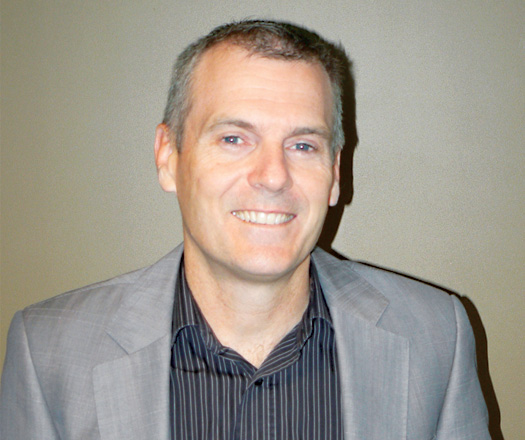
Michael Fitzsimons spotted early on the potential of thinking Green. With his textile company Instyle he was developing ‘Green’ products well before others in the market. As early as 2001 he began an environmental review of all of Instyle’s processes.
At the time, the only textile labelled as an ‘environmental’ textile was recycled PET. However, Fitzsimons points out that this product contains numerous hazardous chemicals and that at the end of its second lifecycle would end up in landfill.
Instyle set about creating the LIFE Textiles® range produced from ‘Eco wool™’ (low-pesticide residual wool only available from sources in Australia and New Zealand) and Certified Organic wool. “We addressed the total lifecycle by looking at the sourcing of raw materials, production, use, and then recycling or disposal,” Fitzsimons says.
Further to this, and Instyle’s latest project, is the EthEco® wool range of ethically and ecologically sound wool from for example the SRS® sheep – a breed that does not require the controversial practice of mulesing (removing folded skin from the sheep’s rear).
When Fitzsimons visited the farms producing his ethical SRS® wool he found their practices were as intriguing as their produce, “These farmers were using holistic farming processes. They used the natural lay of the land, natural cycles of the land, and then they introduced the sheep to help improve the land,” Fitzsimons says.
“Using a rapidly-renewable resource – wool, you can produce a textile with low impact on the environment, that has a positive impact on the indoor environment, and at the end of its useful life be recycled or will biodegrade. Our aim was to develop the most sustainable material in the textile industry, and we believe strongly that we’ve been able to do that,” he says.
Fitzsimons has also launched a website to complement the LIFE Textiles® range and EthEco® wool where customers can see the farms where the different fabrics’ wool is grown.
instyle.com.au/farmtofabric/
instyle.com.au/
INDESIGN is on instagram
Follow @indesignlive
A searchable and comprehensive guide for specifying leading products and their suppliers
Keep up to date with the latest and greatest from our industry BFF's!
The internet never sleeps! Here's the stuff you might have missed