The home of architecture and design in the Asia-Pacific
Get the latest design news direct to your inbox!

Get the latest design news direct to your inbox!
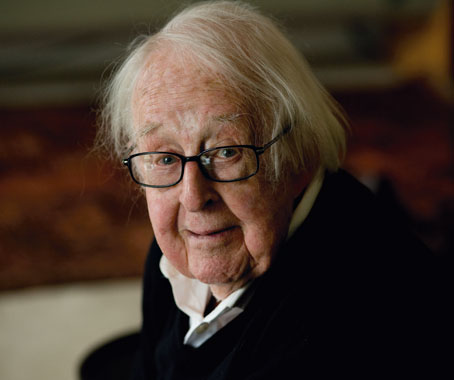
Paul McGillick looks back on the life and career of Australian architect Col Madigan, who passed away on 17 September.
September 19th, 2011
With the death of Col Madigan on 17 September at the age of 90, Australia has lost another one of the great post-War architects who did so much to shape the character of our built heritage.
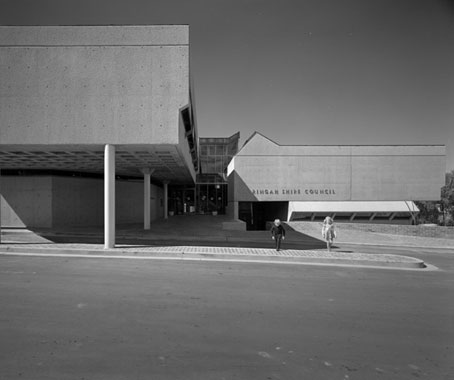
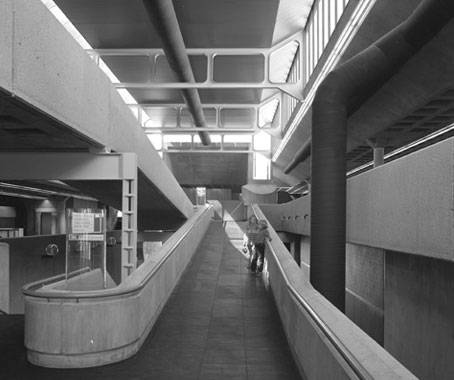
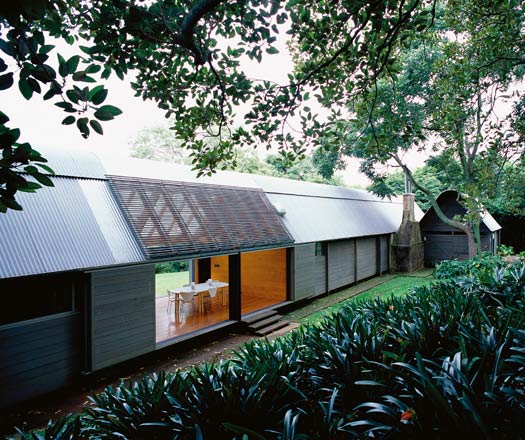
Waringah Shire Council House
If he wasn’t prolific, he never worked on anything run-of-the-mill, content simply with a clutch of masterpieces – the National Gallery of Australia (1982), the High Court (1972), the Warringah Shire Civic Centre (1973) and the Dee Why Library (1966) which won the Sulman Prize. He himself was awarded the Australian Institute of Architects’ Gold Medal in 1981.
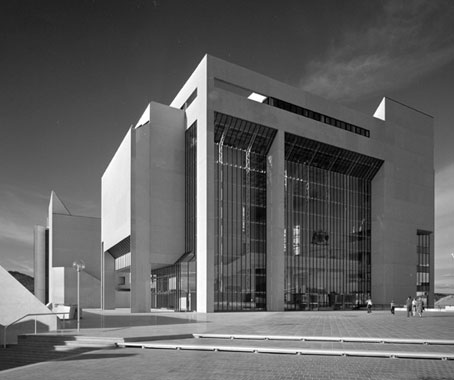
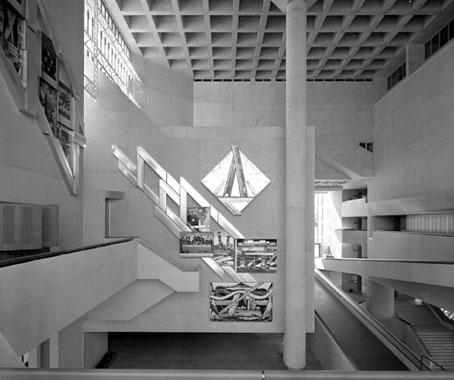
High Court
Born in Inverell in NSW, Col was the son of an architect, learning the business from the ground up at his father’s side. He was already a fine draftsman when he enrolled for architecture at East Sydney Technical College in 1937. During the War he served in the navy and was one of the few survivors of the sinking of HMAS Armidale in 1942, turning the experience into a book in collaboration with artist, Jan Senbergs.
A celebration of the National Gallery of Australia is due for publication later this year. In her Foreword to the book, Professor Jennifer Taylor comments that “for Madigan a building is not just material and space; rather, it is a philosophic statement of belief and intent”.
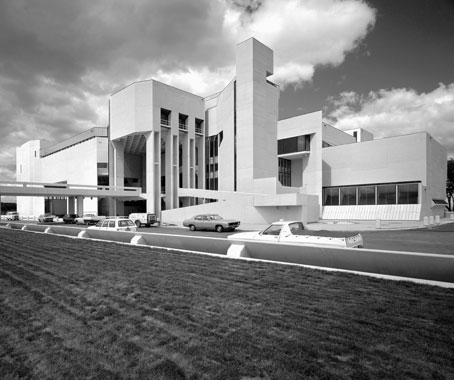
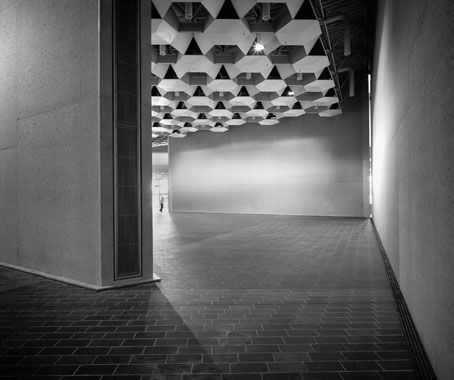
National Gallery of Australia
It was this commitment to meaning in architecture which distinguished Col’s work (and the brilliant teams he assembled at Edwards Madigan Torzillo and Briggs), often accompanied by a fiery refusal to compromise. The Canberra buildings, for example, were designed to be nothing less than an embodiment of the values and ideals of a young nation.
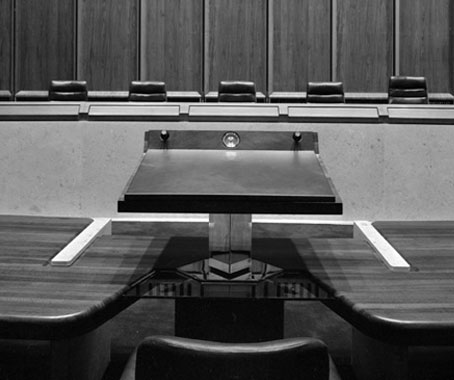

High Court
For Col, a building didn’t just have a utilitarian function, it also had a spiritual function and he angrily lamented the dominance of the profit motive which he said in an address to the Architecture Foundation in 2001 “denies the very real luxuries, like visual health, beauty and permanence which man as a consumer desires more than anything else”.
Col Madigan portrait image by Anthony Browell. Architecture photography courtesy of Max Dupain & Associates.
Col Madigan is Indesign’s Luminary in Issue 46 (Sep-Nov 2011) of Indesign magazine.
INDESIGN is on instagram
Follow @indesignlive
A searchable and comprehensive guide for specifying leading products and their suppliers
Keep up to date with the latest and greatest from our industry BFF's!
The internet never sleeps! Here's the stuff you might have missed