The home of architecture and design in the Asia-Pacific
Get the latest design news direct to your inbox!

Get the latest design news direct to your inbox!
Fusing their experience in food and design, Stan Sarris, Rod Faucheux and their team at Loop Creative are bringing their hospitality vision to key sites in Melbourne and Sydney.
February 27th, 2012
In just 5 years, Loop Creative has amassed an impressive portfolio of residential, retail strategy and hospitality projects around Australia.
Bringing together the food/hospitality knowledge of Stan Sarris and the design experience of co-director Rod Faucheux, the firm’s niche is in immersive hospitality spaces which forge a strong link between food and design.
Playing a pivotal role in the master planning of the restored cargo sheds at South Wharf in Melbourne’s Docklands, Loop have also created 2 very different food experiences in the precinct.
A 350m cargo shed has been transformed into a market-style space where old shipping containers serve as separate food outlets.
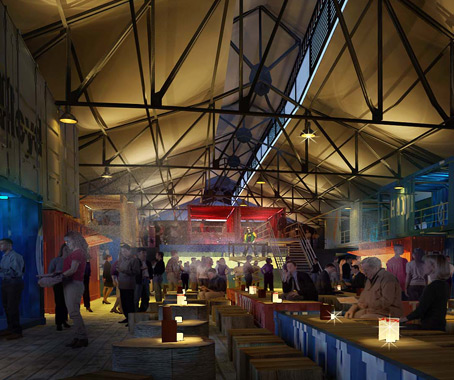

South Wharf Cargosheds Hawker’s Market
“People want good honest food,” says Faucheux of the concept, inspired by a hawker’s market but “a little bit more fixed – more substantial.”
“There’s been a real shift against top end to more street food – this will follow a similar ethos.”
A similar approach was taken for Loop’s fitout of SHED 5 in the precinct – simple food where the focus is as much on delivery and presentation as on the food itself.
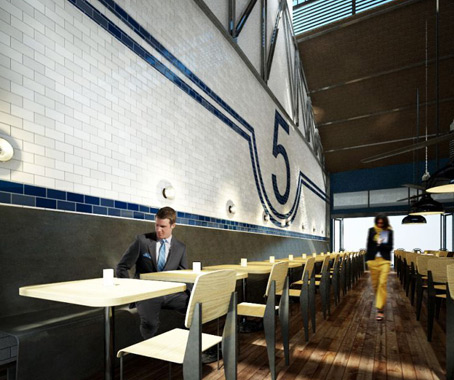

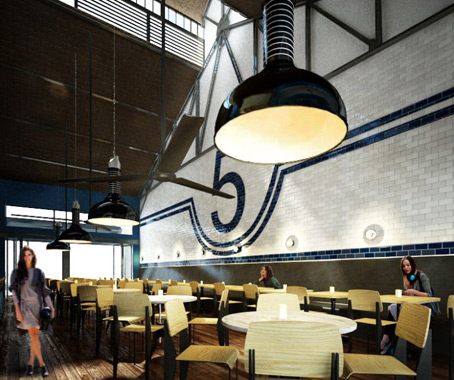
South Wharf SHED 5
Many of the menu items come in cans, peeled and revealed at the table. The fitout was designed to reflect the style and presentation of the food – steel bars, industrial elements – for cohesiveness and atmosphere. The key was for the overall concept and design to reflect the history and location of the space, without being too obvious.
“We’ve designed this to reflect what it used to be; what it can be,” says Faucheux of the South Wharf Promenade project. “If it was in-bound or in-land we wouldn’t have done it the same way. We were really conscious of what it was, and it could never feel contrived. It’s got to feel honest.”
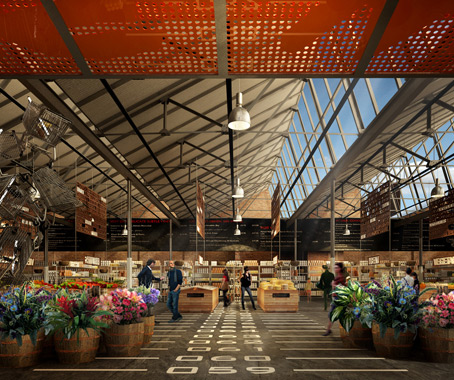
Among other projects in the works for Loop Creative is a “new-direction, new concept food grocer and market” in the old tram sheds at Sydney’s Harold Park re-development, and China Lane, a new restaurant in Sydney’s Angel Place, part of long-term plans to regenerate that end of the city.

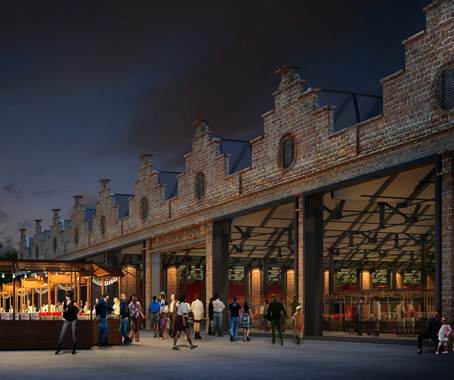
Harold Park Tramsheds
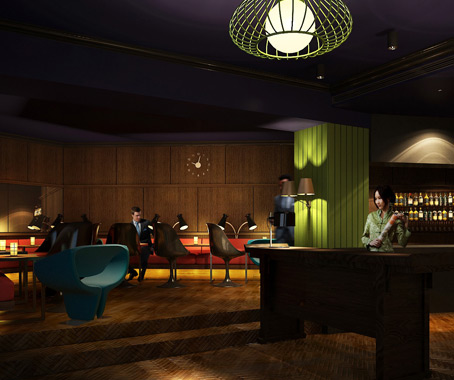

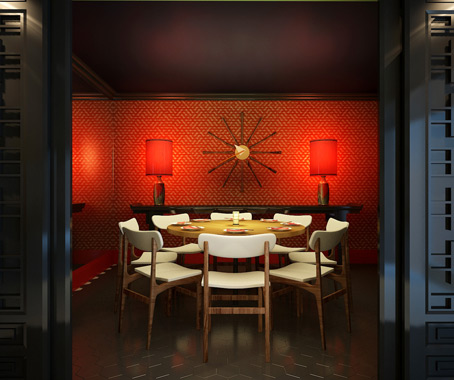
China Lane
Both look set to bring the same imaginative urban vision to the city’s hospitality scene.
Loop Creative
loopcreative.com.au
INDESIGN is on instagram
Follow @indesignlive
A searchable and comprehensive guide for specifying leading products and their suppliers
Keep up to date with the latest and greatest from our industry BFF's!
The internet never sleeps! Here's the stuff you might have missed