The home of architecture and design in the Asia-Pacific
Get the latest design news direct to your inbox!

Get the latest design news direct to your inbox!
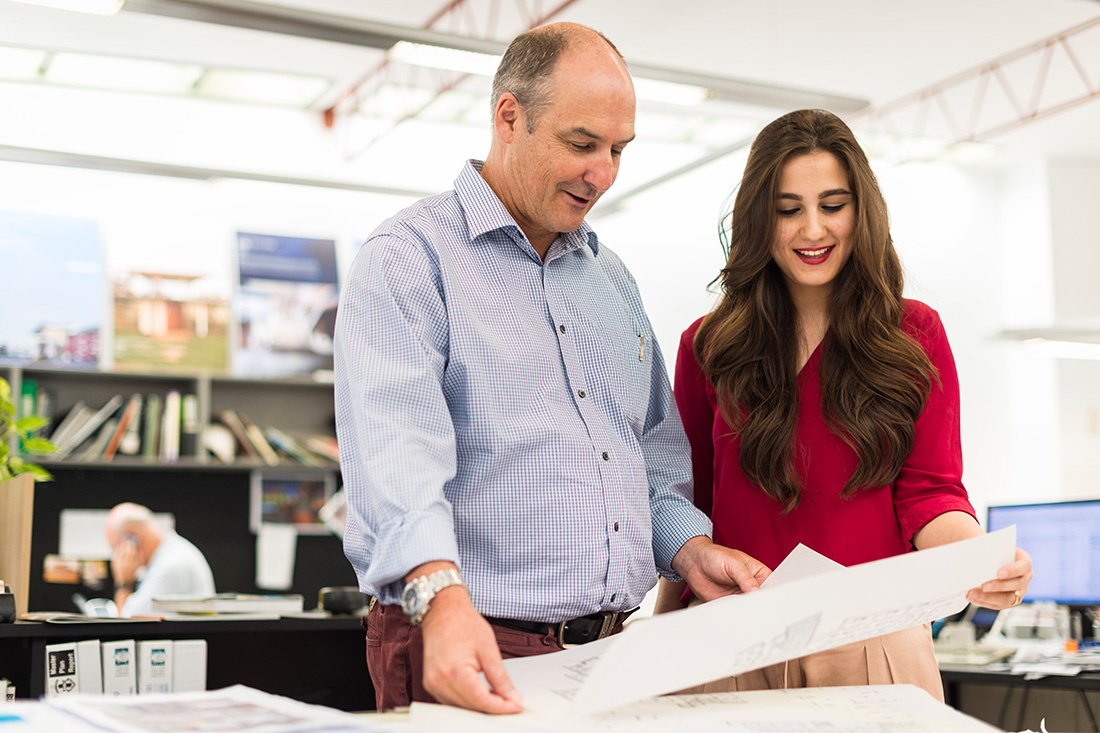
Architects help drive workplace culture, but Queensland practice Fulton Trotter show how best practice begins at home.

August 3rd, 2017
The ‘workplace revolution’ only dates back a little over 20 years. And the focus has been almost exclusively on the commercial office.
But attention is shifting to other kinds of workplaces which are less to do with office space and more about the coal face – hospitals, schools and aged care facilities, intense environments where the efficiency, productivity and well-being of the workforce are even more crucial.
Queensland architects, Fulton Trotter, are 70 years old and still basically a family practice. They specialise in education, health and aged care, especially in regional settings. They have a reputation for place-making, identity-building and fit-for-purpose buildings.
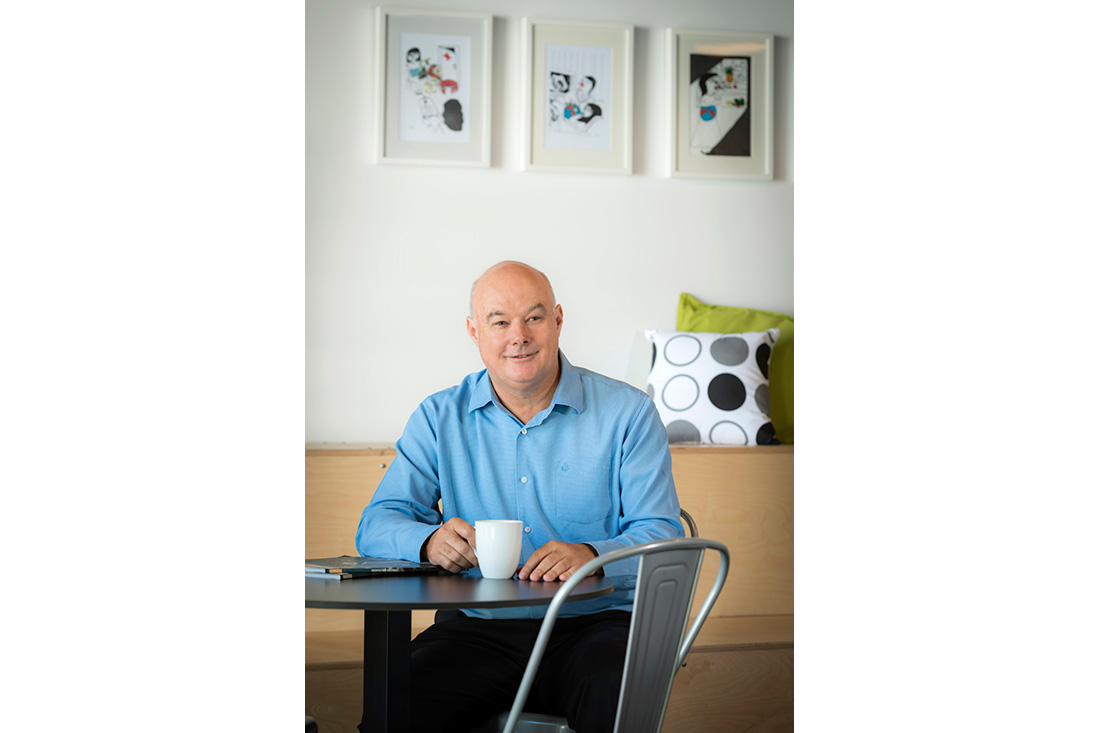
Director, Mark Trotter, comments: “We’ve always concentrated on a very collaborative process with clients, the project being unique to that client and that place. When you look at our projects there will always be a reason for that thing being what it is – to do with the client, the site, the client’s ethics or particular stories.”
He points out, there are practices which concentrate on fine-tuning a building model over many years, but Fulton Trotter’s work is “more idiosyncratic to time and place”. At the design level, he says, they actively discourage the idea there is a “Fulton Trotter way”.
So what is it about Fulton Trotter’s own workplace culture which enables it to so successfully create workplace cultures elsewhere?
For one thing, there is cultural continuity. People tend to stay on and the idea of a family practice has evolved over time, married now to a very modern approach to management.
“It’s a culture,” says Mark, “which is about believing in the core idea of architecture – that it’s not just about design. We want to produce good design work, but we want to do it in a way that provides both good value and good ethics.” He points out that architecture is a profession – not a business – and ethics ought to be at the heart of any profession. It is not a case of ‘Let the buyer beware’, but ‘Let the buyer trust’.
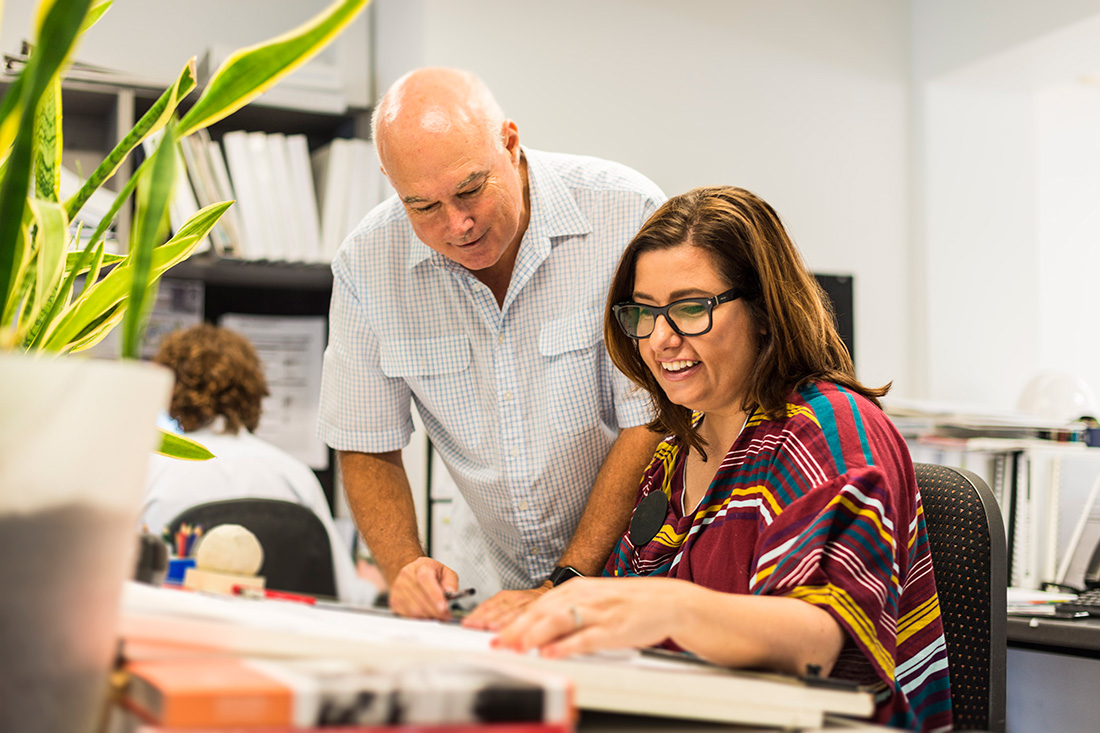
The architect’s office must reflect that. Hence, Fulton Trotter offers a collegial environment with sensible working hours, sensible expectations and good relations between people.
Decision-making follows a consensus model, not a majority-rules model. One person can stop something happening. “You don’t have the autonomy to lead the practice into weird places,” says Mark, “but you have the autonomy to do anything you like design-wise.”
Once they struggled whenever someone left, always replaced by someone at the same level who brought in ideas that upset existing staff. So, instead, they now simply move everyone up – new responsibilities, better salary – and bring in an entry-level architect. “Everyone can see a career path,” says Mark.
They don’t use recruitment agencies. New staff come through family and connections. Their latest recruit Mark met working in the local pet shop! It is a diverse practice with perfect gender equality. It is team-based, the teams formed around the directors. They are quite autonomous and, hence, quite competitive. One of the benefits of this is that “they don’t slavishly copy, but continue to re-invent”.
“We don’t.” says Mark, “get guns from the university to bolster the practice – we try to build that from within.” And because of the way the practice is structured, “the learning cascades down”. Similarly, the performance appraisal process also cascades down. “We don’t,” he says, “get very many people in the office who are passengers because the people around them won’t let them be.”
INDESIGN is on instagram
Follow @indesignlive
A searchable and comprehensive guide for specifying leading products and their suppliers
Keep up to date with the latest and greatest from our industry BFF's!
The internet never sleeps! Here's the stuff you might have missed