LCA Introduction 2-day course Feb 24 and 25
Published
By
jesse
Life Cycle Assessment (LCA) is a method of evaluating the potential environmental impacts of products and services. This evaluation is based on the whole life cycle of the product/service, or a cradle-to-grave approach, with typical stages including extraction of raw materials, processing, manufacturing, packaging and distribution, use, and waste disposal including landfill, reuse and recycling.
Life Cycle Assessment (LCA) is a method of evaluating the potential environmental impacts of products and services. This evaluation is based on the whole life cycle of the product/service, or a cradle-to-grave approach, with typical stages including extraction of raw materials, processing, manufacturing, packaging and distribution, use, and waste disposal including landfill, reuse and recycling.
The Centre for Design’s next 2-day LCA Introduction course is being held on Wednesday February 24 and Thursday February 25. The LCA course is a detailed introductory course starting from the basics of LCA and then providing participants with practical experience working with LCA and an appreciation for the major methodological issues to be worked through when reading, reviewing or undertaking LCA.
cost: $1045.00
Related Articles
Events
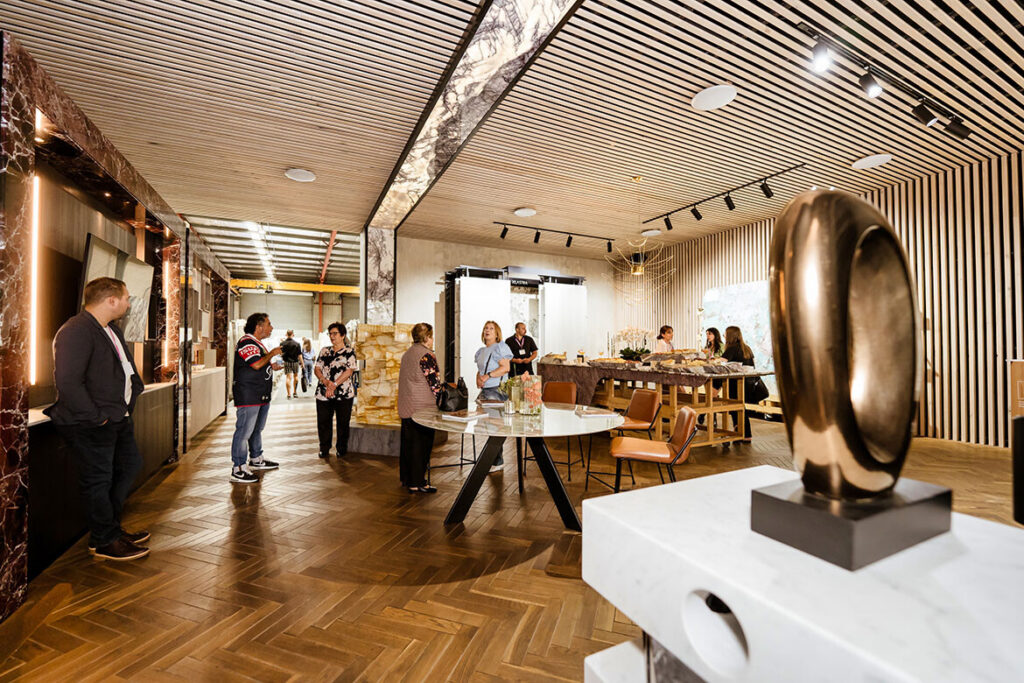
One city, four precincts: Saturday Indesign 2026 is almost here
With more than 35 showroom locations, 40-plus exhibitors and a city-wide program of talks, installations, workshops and launches, Saturday Indesign returns to Sydney in September with participation firmly at the centre of the day.
Events
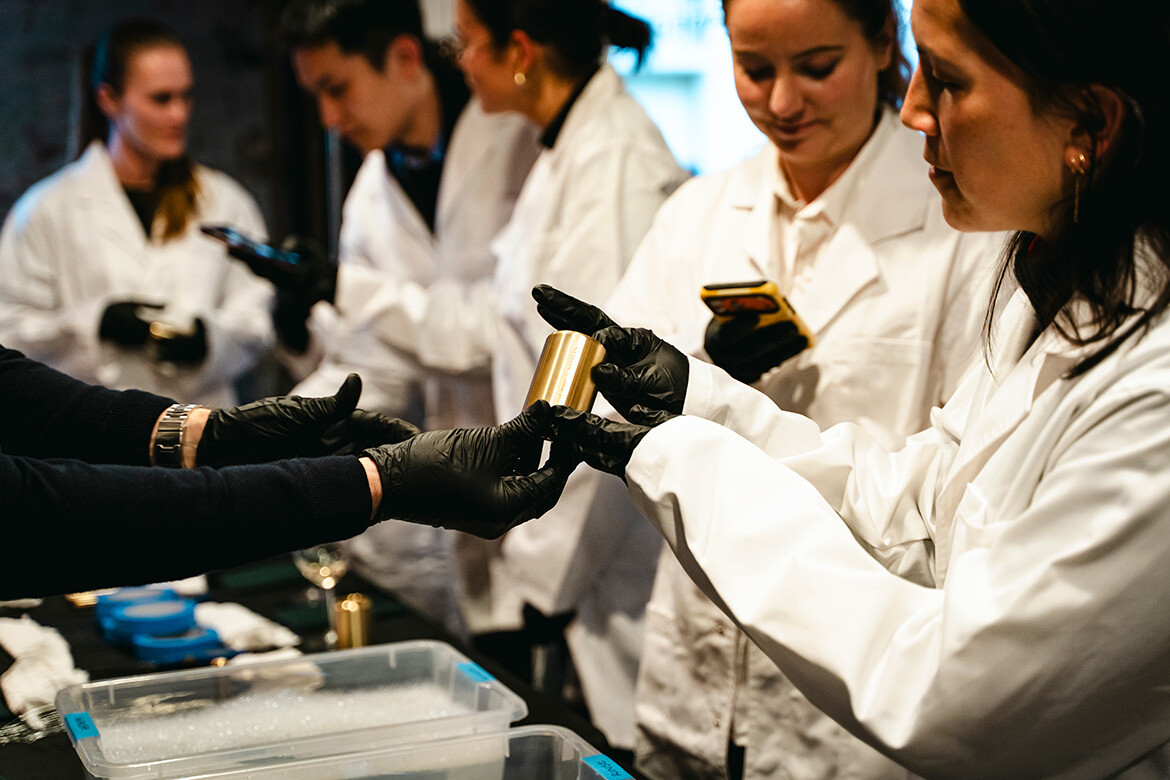
Getting hands-on with Savage Design’s Ministry of Metals
Ahead of Saturday Indesign, Savage Design put its new Ministry of Metals experience through a test run, turning material education into something tactile, practical and genuinely interactive.
Events
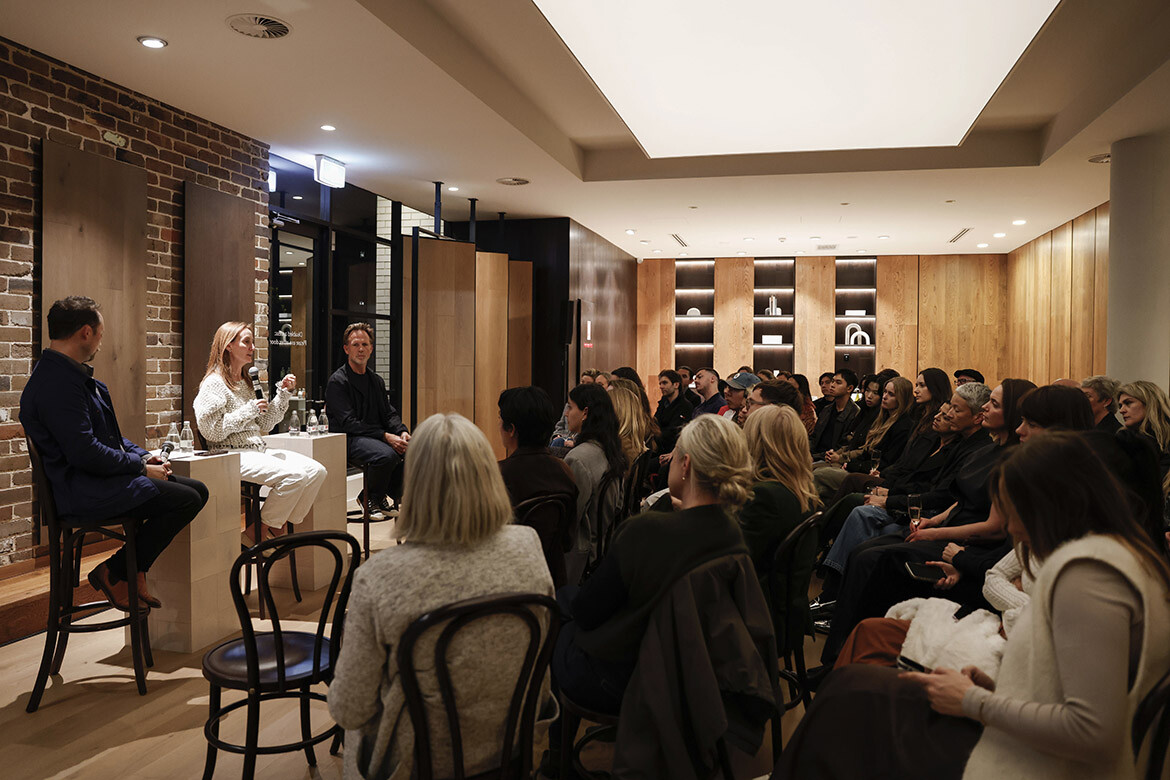
A rollicking good story with Richards Stanisich and Royal Oak Floors
Jonathan Richards and Kirsten Stanisich discussed practice, design process and the business of running a studio at a live audience event hosted by Royal Oak Floors in Sydney.
Events
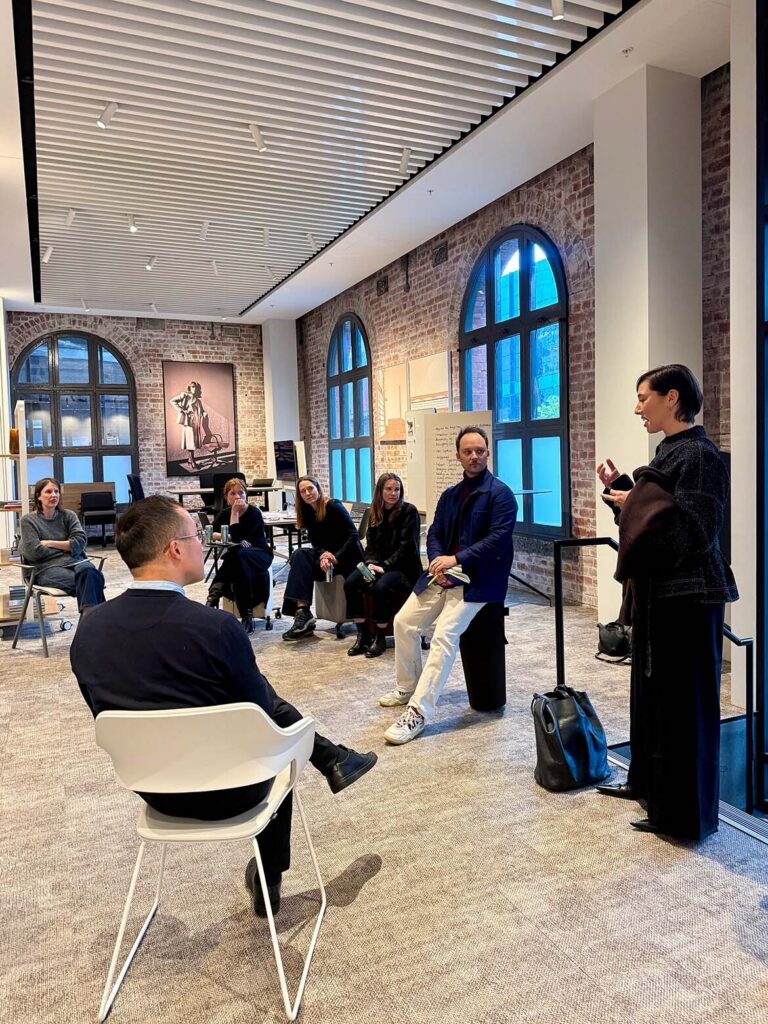
Indesign x Wilkhahn: Melbourne, where are you working?
Our latest collaboration saw a range of designers come together at Wilkhahn’s Melbourne showroom for a discussion on the workplace dynamics specific to the Victorian capital.