Woods Bagot’s progressive vision for Penrith CBD
Published

Woods Bagot has conquered its competition in the bid to design the adaptive reuse of Penrith’s former Council Chambers into a new commercial building set to revitalise the CBD.
Big things are happening in Sydney’s outer west. Namely, major redevelopments are on the agenda for Penrith CBD, with an adaptive reuse project, designed by Woods Bagot, to set the benchmark for future developments.
The global architecture practice earned its place in the scheme of Penrith’s master plan following a rigorous Design Excellence Competition, assessed by a judging panel of independent industry experts. Woods Bagot’s design came out on top, thanks to its innovative architectural solution that responded not only to the competition brief but to the future urban character of the Penrith CBD.

Once the city’s Council Chambers, 131 Henry Street finds itself at the heart of this significant urban revitalisation project, alongside other planning investments such as the new City Park and the transformation of Soper Place.
“Working with a community minded client like Penrith Council is an opportunity to meaningfully implement the people-focused design aspirations that Woods Bagot aims to embody in any of its projects,” says the design practice. The winning design scheme to redevelop the site of 131 Henry Street is focused equally on community and the commercial to create a building that both benefits the public and delivers a commercially viable workplace of the future.
“We are thrilled to start working with award-winning architects Woods Bagot to deliver a highly advanced workplace at 131 Henry Street, which will feature a sustainable design, and activated public and retail spaces for the community,” says Penrith Mayor Karen McKeown.
The building is fundamentally different from conventional commercial buildings which tend to be uniform – uniform lighting, uniform air quality, uniform spatial experience. Woods Bagot’s proposal for Penrith’s new community workplace deliberately moves away from this model.
Deep analysis of both the progressive changes underway in workplace design and the impact of COVID-19 on how people work has generated Woods Bagot’s scheme for a diverse and adaptable, breathable workspace that promotes different ways of working for different people.

It will offer a diverse range of experiences where people can work one day in a garden in the sun, the next at a quiet indoor location and the following at a rooftop overlooking the park. To extend the workplace and cater for other uses, outdoor spaces are carefully considered for varied uses throughout different times of the day and year.
Building on the wellness and sustainability tenets of the development, the key to its longevity is to design the building with flexibility, capable of adapting to changing user needs. The three distinct forms allow the floors to be programmed separately or entirely, and create better natural ventilation than a uniform box.
A new forecourt will address the significant corner by stepping the brick building back at the lower four levels, and cantilevering the tower over to reinforce the grandeur of this public space. This new civic space is composed of a feature tree in a circular planter, terraced brick steps, water feature and public art.
Woods Bagot’s contemporary design response exemplifies permeability and porosity, which promote use and activity at street level. A network of streets and laneways will create links to existing paths and entries.
Green space will flow through the site and connect it with the future park, creating a heart to the civic and education precinct. It will reinforce its place in civic life by providing a multitude of public uses.
Latest Projects
QLD
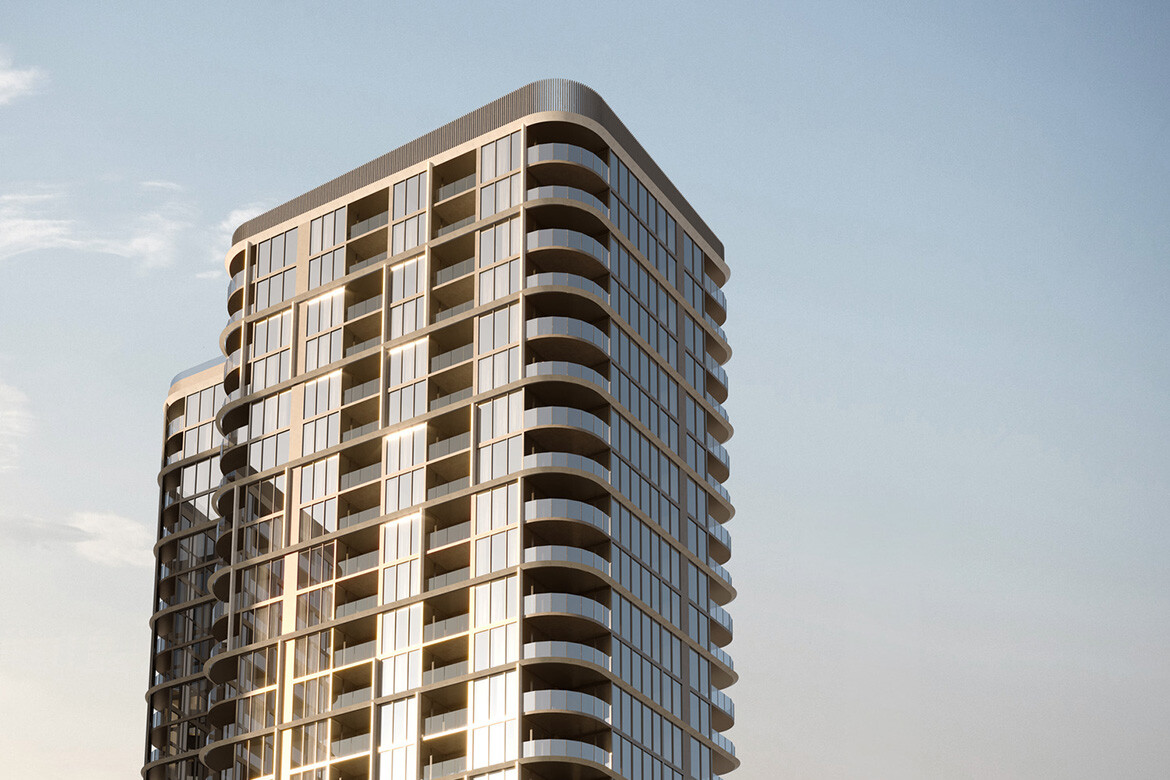
Living outside the box
At Northshore Hamilton, Plus Studio’s Danny Juric is looking beyond the apartment tower as an isolated object, drawing on mature trees, Brisbane’s subtropical climate and the rituals of outdoor living to shape Duet.
Project
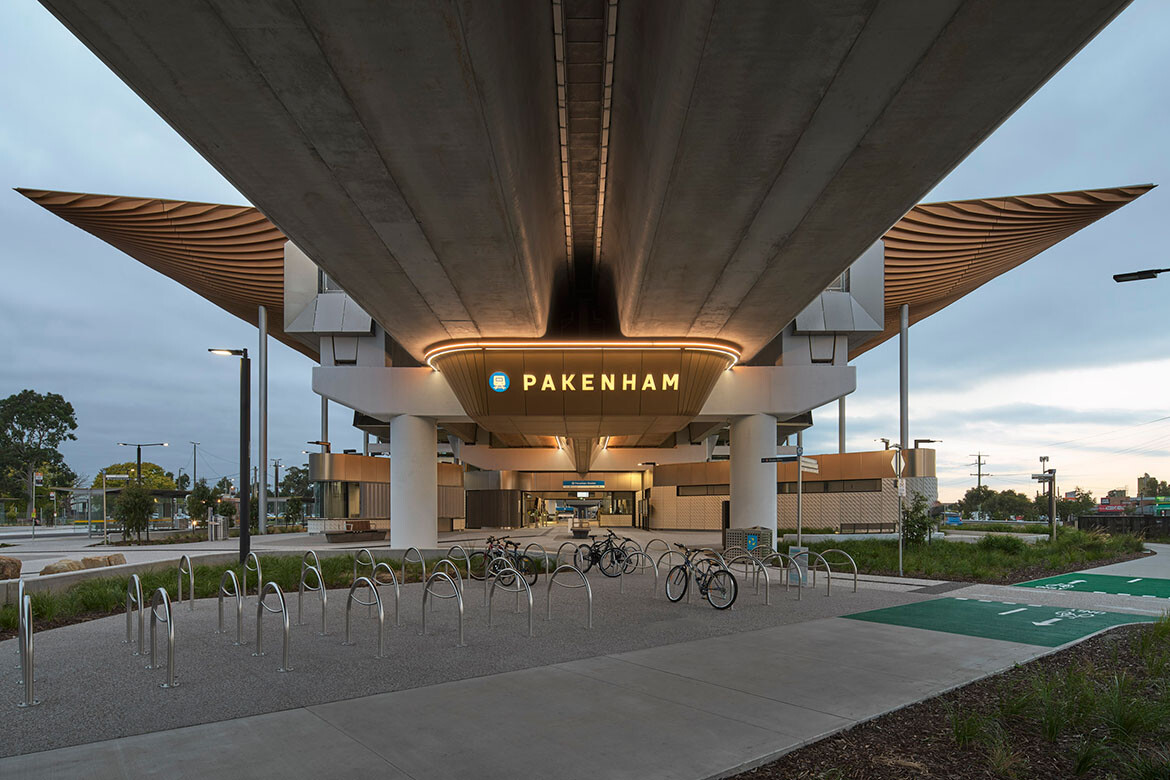
A civic gateway for Pakenham
Genton’s Pakenham Station transforms a utilitarian transport interchange into an open civic landmark, reconnecting the town through landscape, public space and infrastructure designed around Country.
Workplace
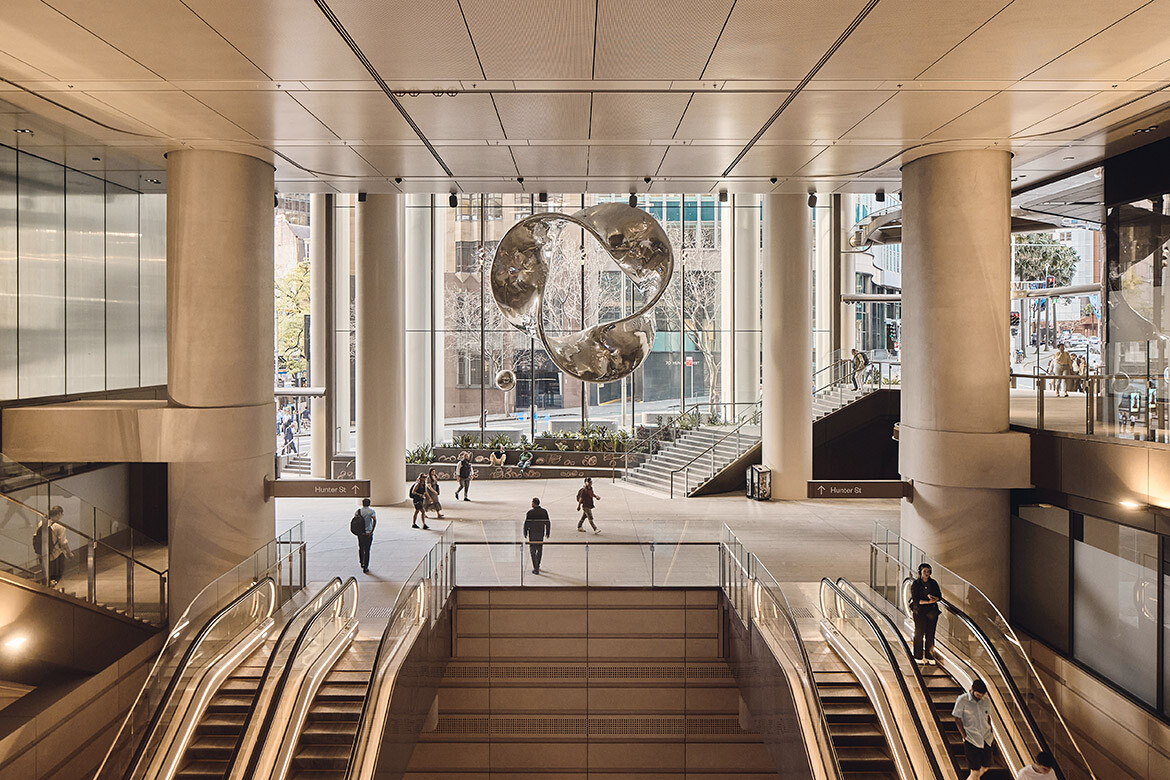
Per atria ad astra
In the very heart of Sydney’s CBD, 1 Elizabeth is a vast civic-scale project that integrates workplace design, transport infrastructure, event spaces, and hospitality around some dramatic void spaces.
Workplace
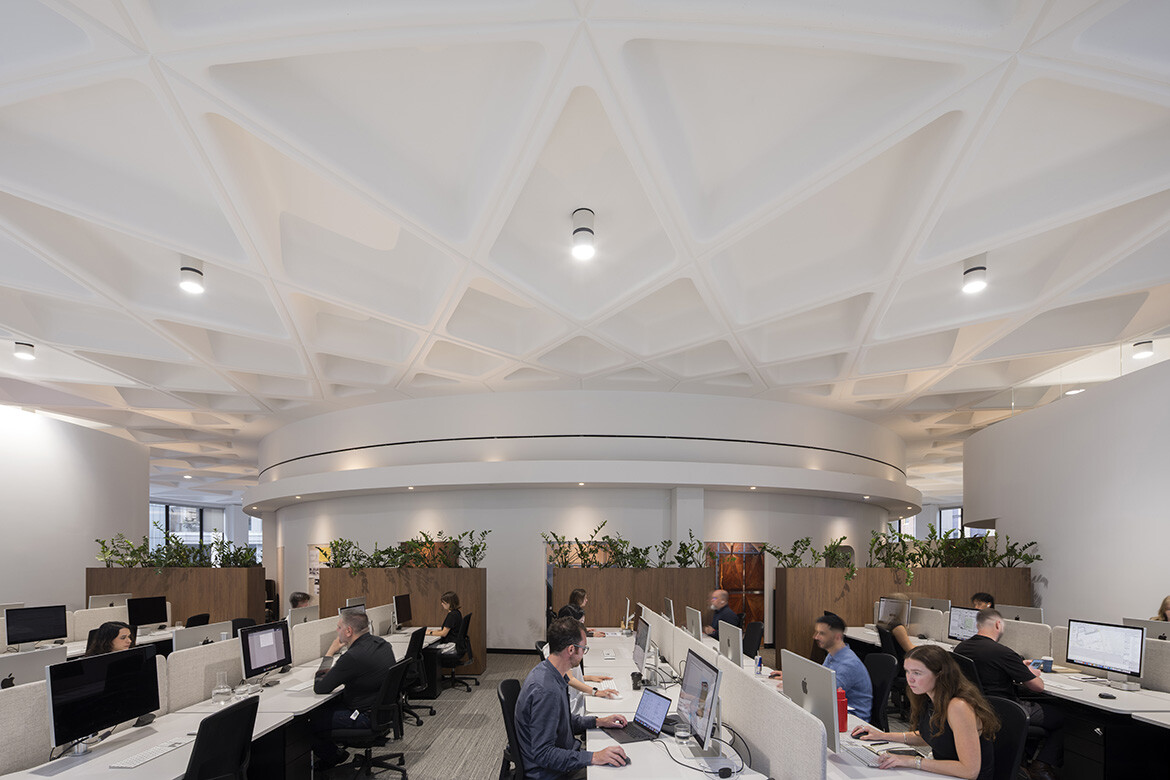
Seidler, Nervi and fjcstudio walk into an office tower
Set within hallowed architectural surroundings amidst the ghosts of Harry Seidler and Pier Luigi Nervi, fjcstudio’s new Sydney home brings geometric clarity and a spirit of creative exchange to a challenging workplace fit-out.