“AACC will be a building of the 21st century, flexing to curation, use and time”
Published

Concept designs by Diller Scofidio + Renfro and Woods Bagot for a new Aboriginal Art and Cultures Centre in Adelaide have been revealed.
Featuring high on the planning agenda for South Australia, the Aboriginal Art and Cultures Centre (AACC) envisioned for Adelaide represents a new paradigm, showcasing the past, present and future of Aboriginal cultures while supporting contemporary art practices and events across disciplines. “The AACC will offer extraordinary immersive experiences, combining traditional storytelling with modern technology, celebrating 65,000 years of Aboriginal cultures and creating a global tourism attraction,” says South Australia’s Premier, the Hon Steven Marshall MP.
On releasing the concept design by Diller Scofidio + Renfro and Woods Bagot, Marshall said the striking design—featuring overlapping layers encircling a central gathering space—realises the vision of the AACC as a gateway to the oldest living cultures in the world by incorporating the elements of earth, land and sky.
Grounded on Kaurna land, the design narrative of the 11,500 square metre building in Adelaide, Australia, is based on the deep Aboriginal connection to country, place and kin, with connected layers being the foundation of the design. In completion, the AACC will comprise 7,000 square metres of diverse exhibition spaces – ranging in size, height and light quality, each offering views of the natural surroundings – seamlessly blending inside with outside, natural with built. At the heart of the building is a flexible, three-story gathering and performance space that visitors spiral around as they make their way to different levels.

Diller Scofidio + Renfro and Woods Bagot’s design for the planned Aboriginal Art and Cultures Centre features overlapping layers encircling a central gathering space.
For the building’s structure and façade the design team drew inspiration from the temporary shelter structures created by Aboriginal peoples across Australia, known by names such as “wurlie” and “humpy”. A basket-like nest of columns shapes the central space and anchors the entire building, placing storytelling at the heart of the building. Draped onto this structure is a softly shimmering woven skin that tilts open to connect Aboriginal art and cultures back to the public and to Country.
Working closely with the AACC Ambassador David Rathman, the design team engaged in deep conversations with members of the AACC Aboriginal Reference Group to discover the design vision. Rosina Di Maria, a principal at Woods Bagot, described the consultation process as a humbling and emotional experience.
“Our role is to listen, and translate the aspirations and ambitions of the ARG into a design response. The architecture evokes a sense of welcome to all visitors – particularly First Nations peoples – and a connection to culture offered through the human experience,” Ms Di Maria said.
“The Aboriginal Art and Cultures Centre will be a place for all Australians to remember ourselves, to learn the truth telling of our past, and to re-imagine ourselves together to create new memories as a connected community. It will be a platform for developing Australian culture – informed by the past, shaped by the now, for our future,” she said.
Latest Projects
QLD
Living outside the box
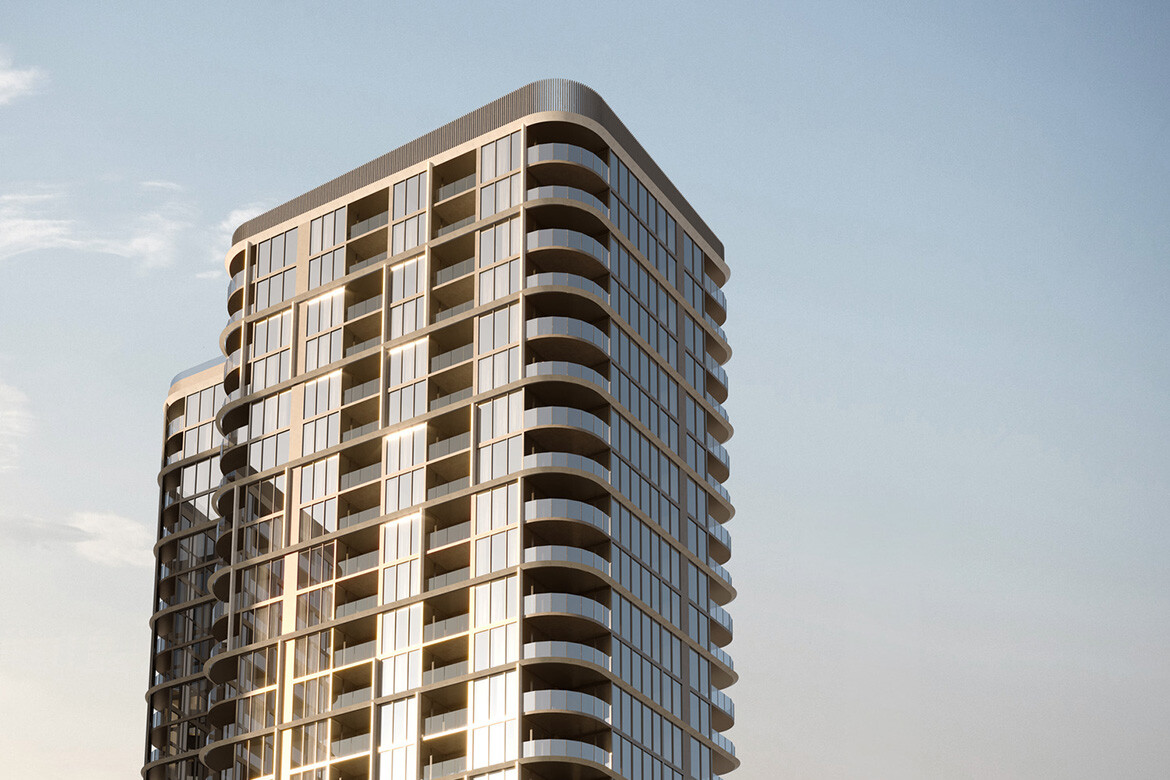
At Northshore Hamilton, Plus Studio’s Danny Juric is looking beyond the apartment tower as an isolated object, drawing on mature trees, Brisbane’s subtropical climate and the rituals of outdoor living to shape Duet.
Project
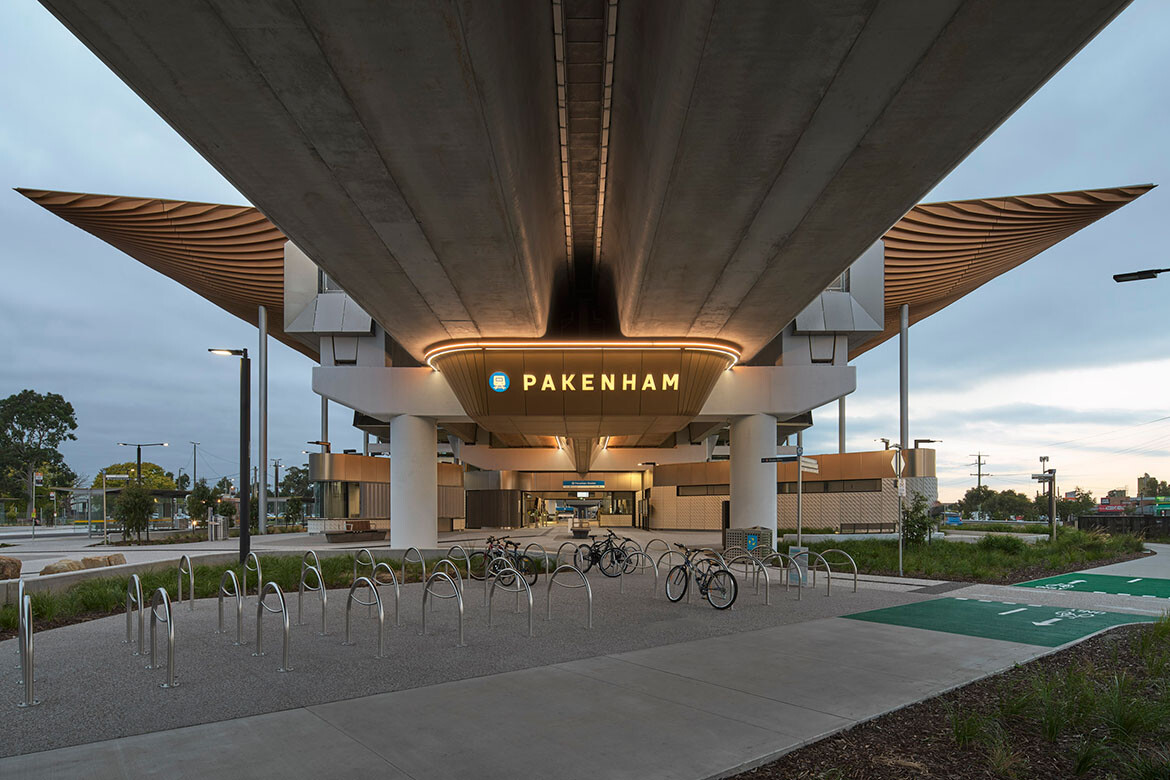
A civic gateway for Pakenham
Genton’s Pakenham Station transforms a utilitarian transport interchange into an open civic landmark, reconnecting the town through landscape, public space and infrastructure designed around Country.
Workplace
Per atria ad astra
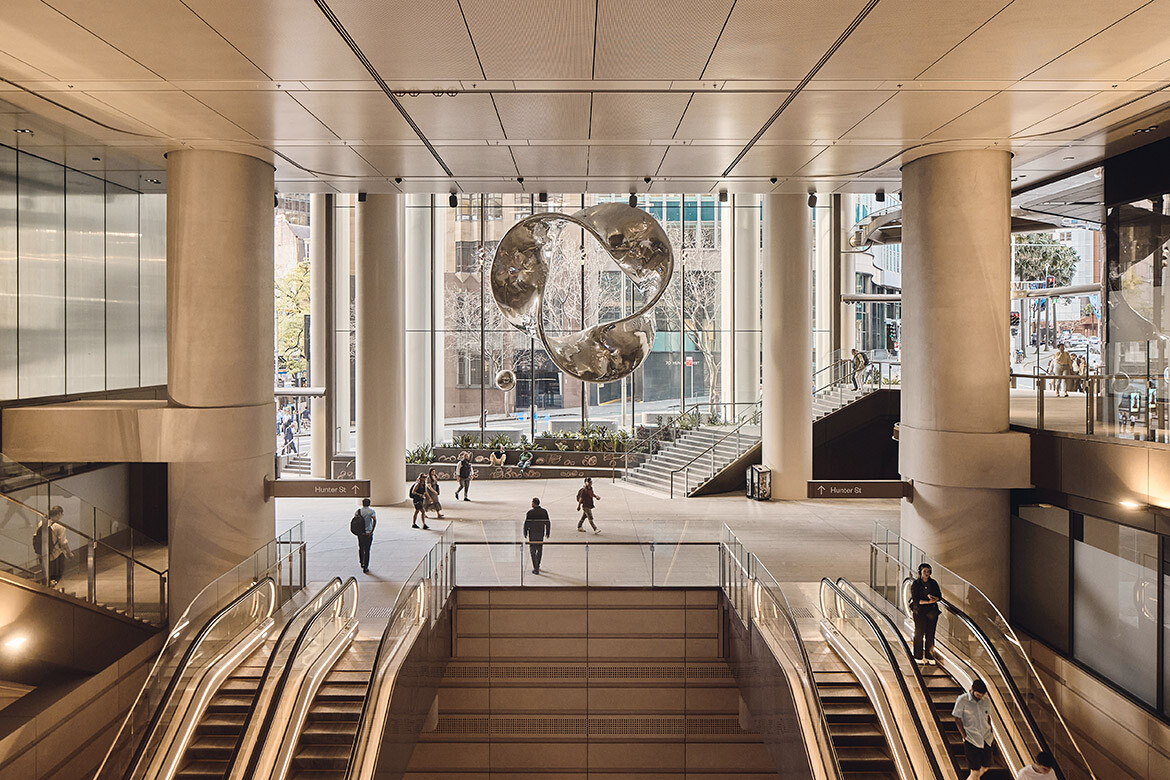
In the very heart of Sydney’s CBD, 1 Elizabeth is a vast civic-scale project that integrates workplace design, transport infrastructure, event spaces, and hospitality around some dramatic void spaces.
Workplace
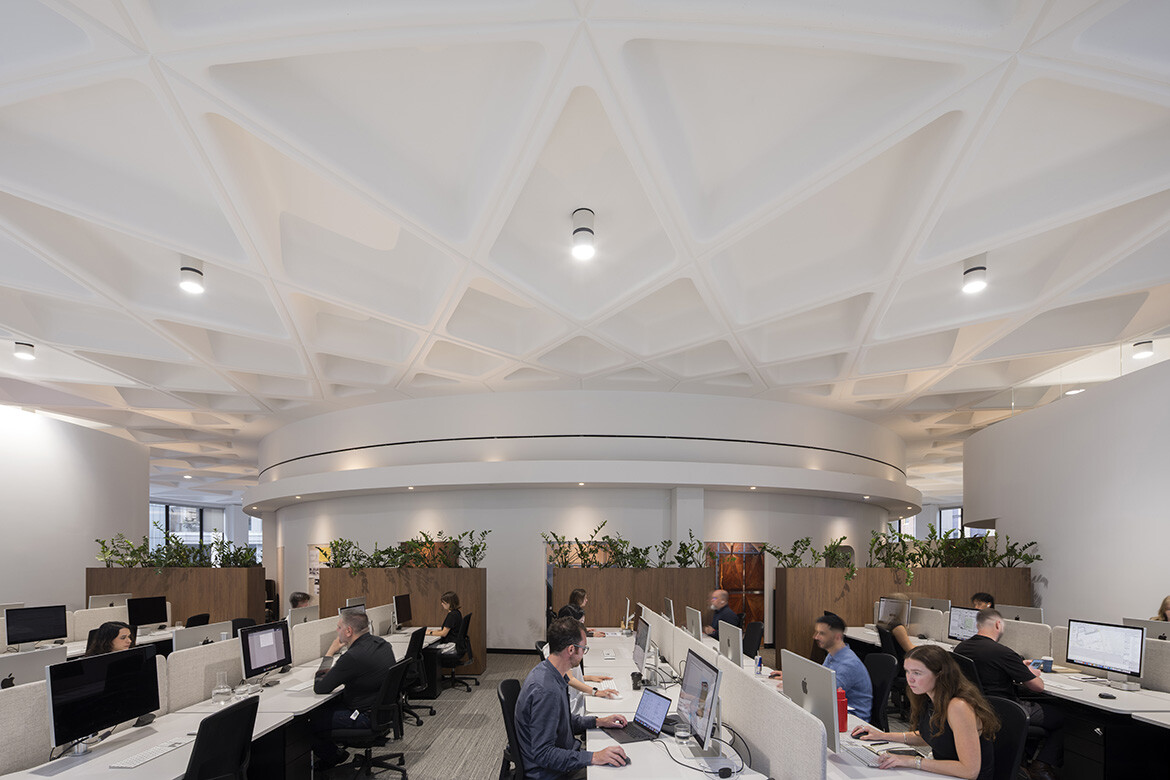
Seidler, Nervi and fjcstudio walk into an office tower
Set within hallowed architectural surroundings amidst the ghosts of Harry Seidler and Pier Luigi Nervi, fjcstudio’s new Sydney home brings geometric clarity and a spirit of creative exchange to a challenging workplace fit-out.