The home of architecture and design in the Asia-Pacific
Get the latest design news direct to your inbox!

Get the latest design news direct to your inbox!
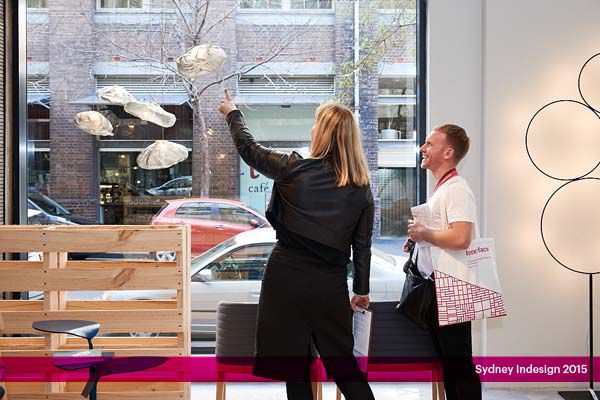
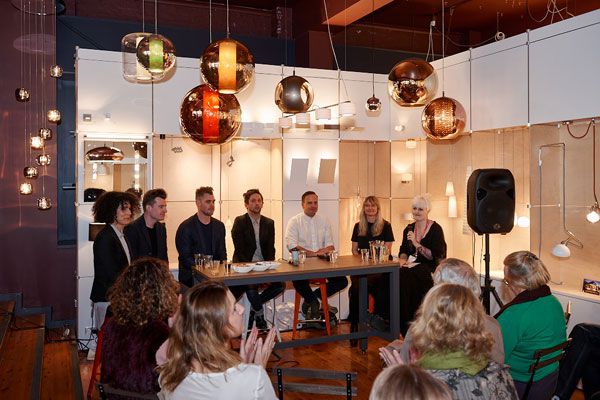
Ideas, knowledge-sharing and debate was a large focus of Sydney Indesign 2015. Indesign’s Worklife, LiveLife and DQ Roundtable talks brought together industry thought leaders to exchange new ideas, share opinions, talk about important issues in the design community and share their knowledge and experience. Many of our talks sold out, revealing that our community has a big thirst for knowledge and a vested interested in actively participating in the conversation.
October 5th, 2015
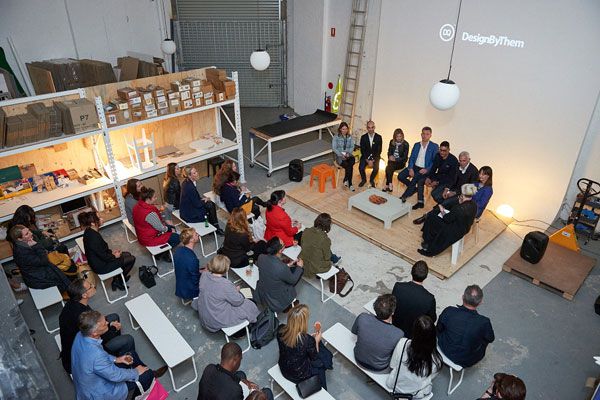
This year DQ hosted a series of five discussions, the majority of them sold out, around different industry issues including the value of cross-industry practice (hosted by DesignByThem); Power Personalities and what it takes to become and Australian design icon (Emerging Player series hosted by Special Lights, and Heavy-hitter series hosted by SeehoSu); how to balance creativity and business (hosted by Own World); and the future of authentic design (hosted by Luxmy Furniture at The Whitehouse Design Institute of Australia).
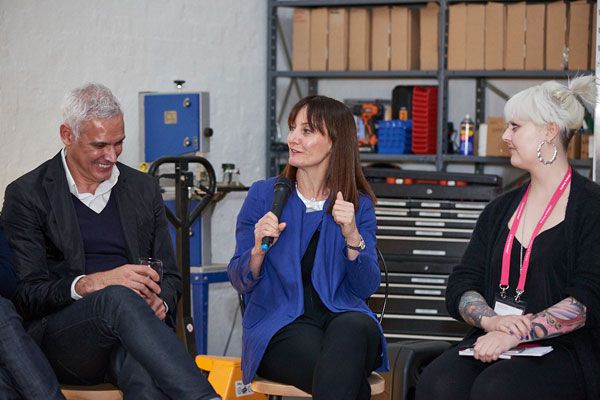
Some of this year’s highlights included a debate on the practical steps needed to move past replica in the Australian design industry – fueled by a rigorous yet respectful debate between industrial designer Charles Wilson and architect Joe Snell.
Other stand-out moments included an honest exploration into the importance and challenges of social media for young start-ups with some of Australian design’s most successful emerging icons, as well as a solid comment from architect Melonie Bayl-Smith on the deplorable state of Australia’s planning and due diligence standards.
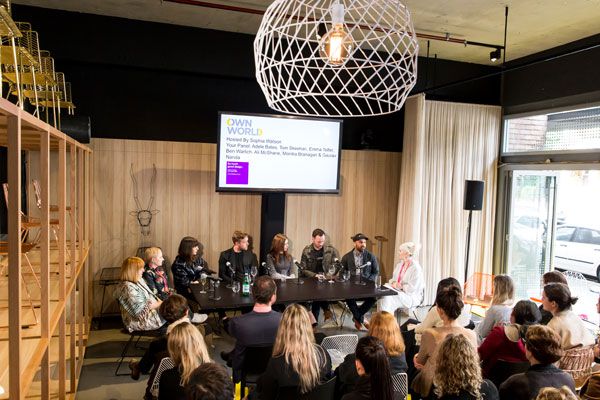
We would like to thank all our DQ Roundtable speakers; Danielah Martinez, Ben Edwards, Tom Fereday, Nicholas Braun, David Flack, Adele Winteridge, Alexander Loterzstain, Christopher Boots, Jason Bird, Melonie Bayl-Smith, Paul Hecker, Tim Giles, Todd Hammond, Tomek Archer, Joe Farage, Sarah Gibson + Nick Karlovasitis, Rachael Oakley, Brenton Smith, Kirsten Stanisich, Richard Weinman, Alan Boyd, Charles Wilson, Joe Snell, Priyanka Rao, Kylie Murray, Raymond Scott, Adele Bates, Adele Bates, Emma Telfer, Ben Warlich, Ali McShane + Monika Branagan, Gaurav Nanda.

We are now full steam ahead planning next year’s event, and we’d love to go say hello (indesign@indesign.com.au, habitus@indesign.com.au, dq@indesign.com.au) if you want to be involved or have a new discussion topic to suggest.
INDESIGN is on instagram
Follow @indesignlive
A searchable and comprehensive guide for specifying leading products and their suppliers
Keep up to date with the latest and greatest from our industry BFF's!
The internet never sleeps! Here's the stuff you might have missed