The home of architecture and design in the Asia-Pacific
Get the latest design news direct to your inbox!

Get the latest design news direct to your inbox!
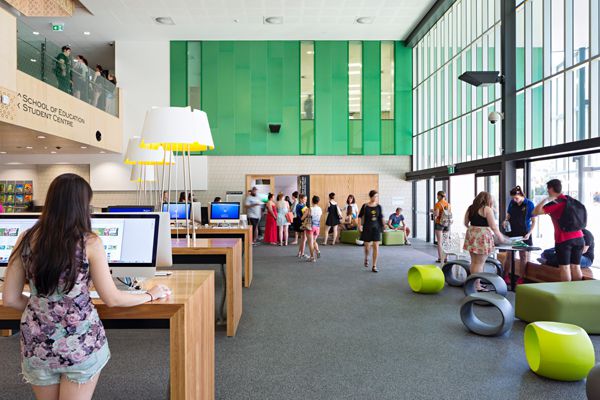
Wilson Architects is one of Australia’s oldest architectural firms with over 130 years of experience in the field driven by a core design philosophy that research drive successful innovation. With this in mind, the firm has recently released their design research to the Education and Science Sectors.
April 7th, 2016
“Whilst hundreds of buildings are being designed every day, very few are tested beyond a post-occupancy survey,” says Hamilton Wilson, the managing director of Wilson Architects, “Our research aims to understand how to improve usability for the occupant, by investigating the effects of building design on key metrics such as learning outcomes, collaboration and productivity”.
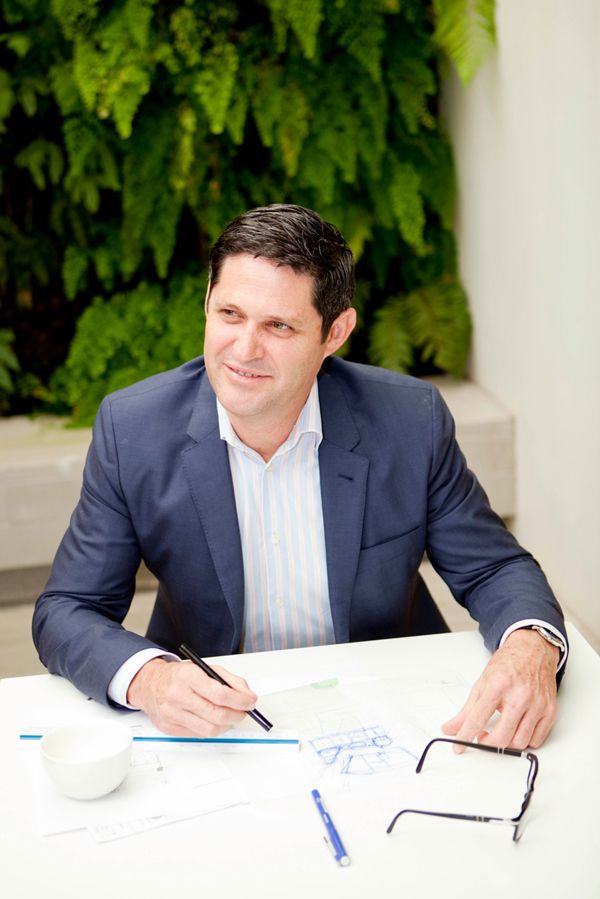
This sharing of this research with the Education and Science Sectors is designed to encourage conversation about the way educational and institutional design can be constantly improved for use. By evaluating what aspects of a design are effective, or can be improved, the research papers advocate alternative modes of thinking, and challenge the ways design has been done in the past.
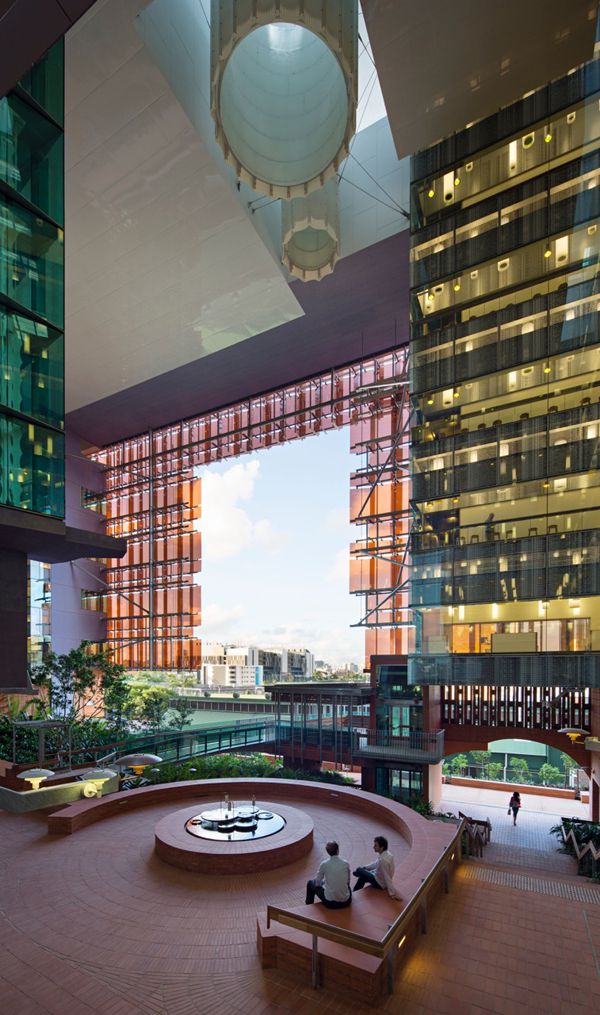
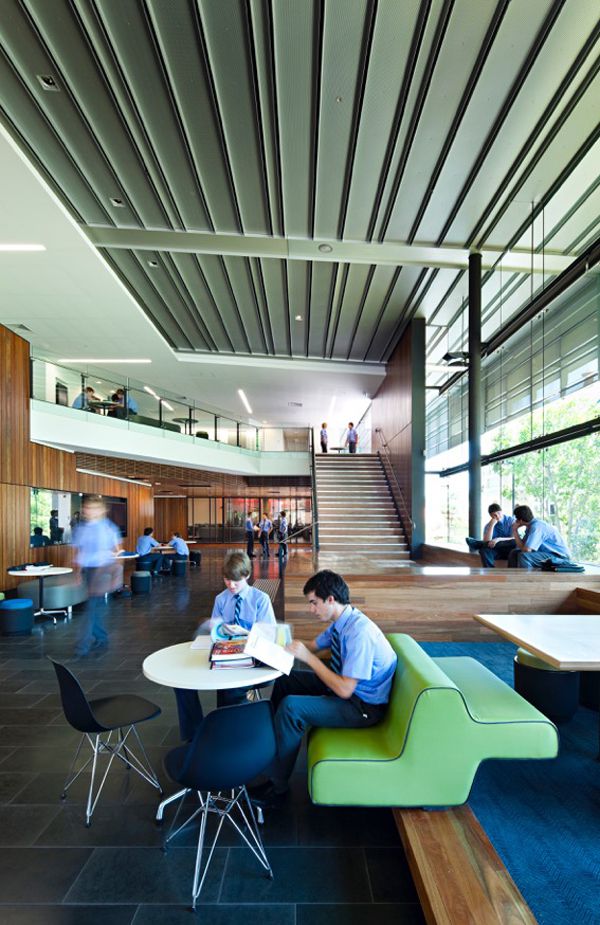
“We apply the findings from our research throughout all our projects – from concept stage through to design and post-occupancy evaluation. This gives us a unique understanding and working knowledge of education and laboratory design from the student, teacher and professional perspectives,” continues Wilson, “we know what works, and we continue to fine tune and develop our strategies in line with the latest research.”
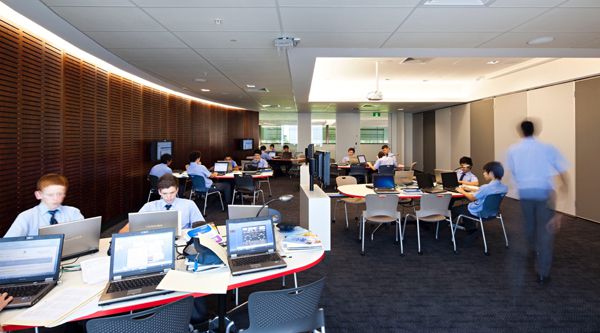
The research conducted is highly collaborative and quite fittingly involves partnerships with the sector itself: schools, universities and research institutions. With clear parameters and research objectives, the studies conducted by Wilson Architects are carefully designed to obtain accurate results that reflect measurable results on the effectiveness of their projects.
Wilson’s note on why the firm is sharing their research with the industry is clear: “It’s imperative that we are constantly learning so we can keep at the forefront of what’s possible. We take our experiences – and subsequent learnings – from every project and expand on them, to find validated and substantiated improvements that can benefit future facilities.“
Wilson Architects
wilsonarchitects.com.au
INDESIGN is on instagram
Follow @indesignlive
A searchable and comprehensive guide for specifying leading products and their suppliers
Keep up to date with the latest and greatest from our industry BFF's!
The internet never sleeps! Here's the stuff you might have missed