The home of architecture and design in the Asia-Pacific
Get the latest design news direct to your inbox!

Get the latest design news direct to your inbox!
2018 saw plenty of outstanding projects, and in the hospitality sector, these were the ones that had you hungry for more.


December 12th, 2018
Hospitality projects are often led by a highly conceptual design approach, putting them right at the precipice of the latest ‘design trends’. From micro hotels to unique material fusions in Shanghai and plenty of colour pops in between, what can we takeaway from the most popular hospitality project stories? Keep serving up great design!


Photos by Tom Ferguson.
Creating a completely new hotel experience, the Little Albion Guest House in Sydney is clever more ways than one. Not only does the architecture fill a challenging infill site but the interiors of the 35-room Guest House are a pastiche of differing eras. The project involved a mix of creatives including Terence Yong (Terence Yong Architecture) and Chris Haughton (SHED) on the architecture, with Connie Alessi (Archemy) and Cressida Kennedy (Space Control) for the interiors, rounded out with art curated by Nicholas Samartis.
–
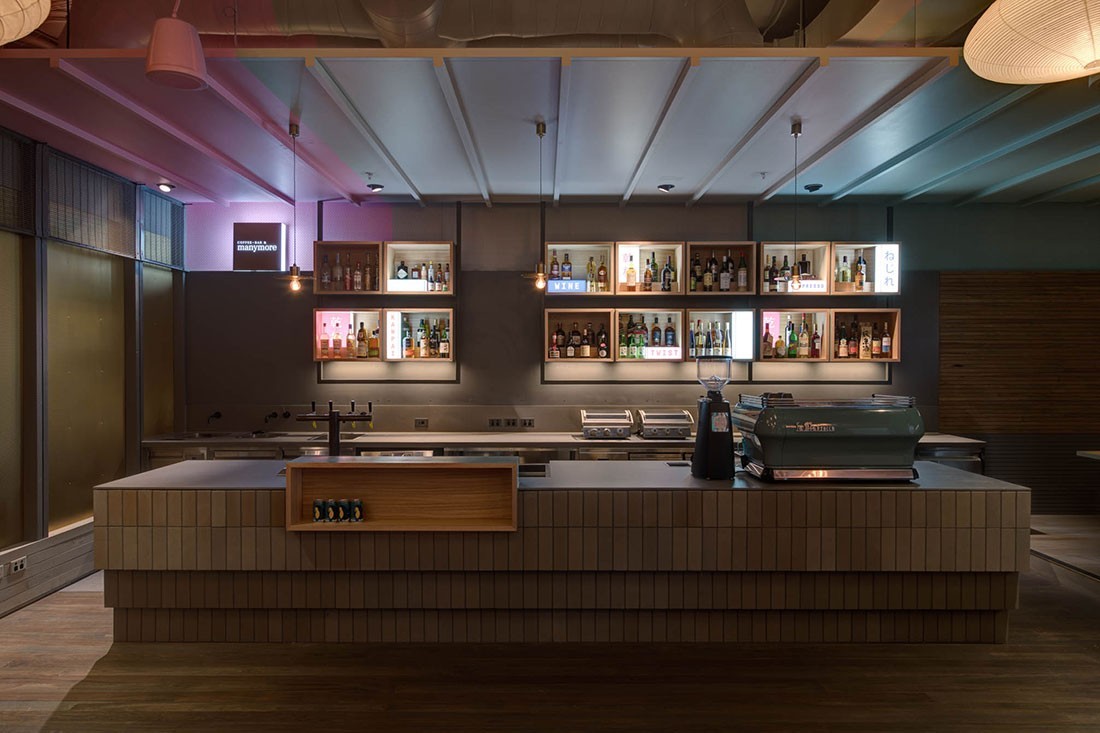

Industrial chic, hawker-style Asian food and an ever-changing line up of food joints – HWKR offers everything people have come to expect in Melbourne’s food scene. What about the design? Craig Tan Architects executed the 200-seat project featuring neon lights alongside an array of seating zones. The design provides a base shell for the rotating food hubs to take centre stage.
–
Photos by Dirk Weiblen (courtesy of Linehouse).
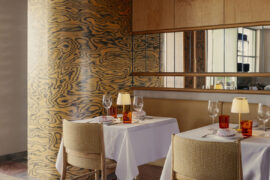
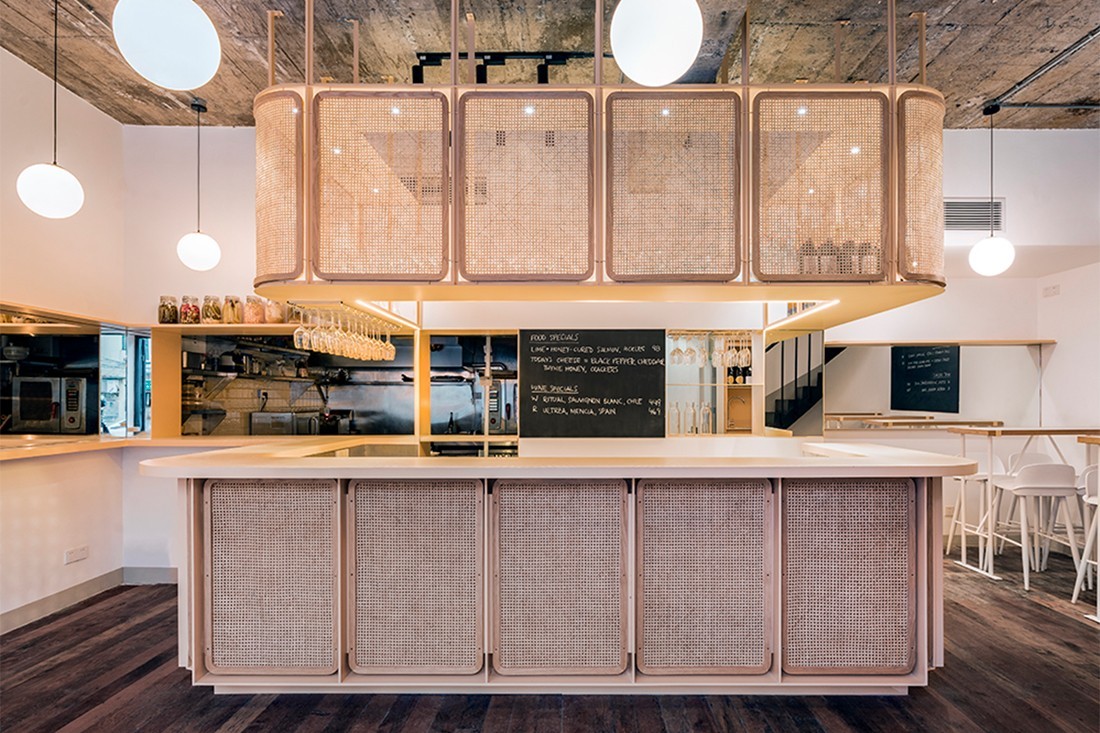
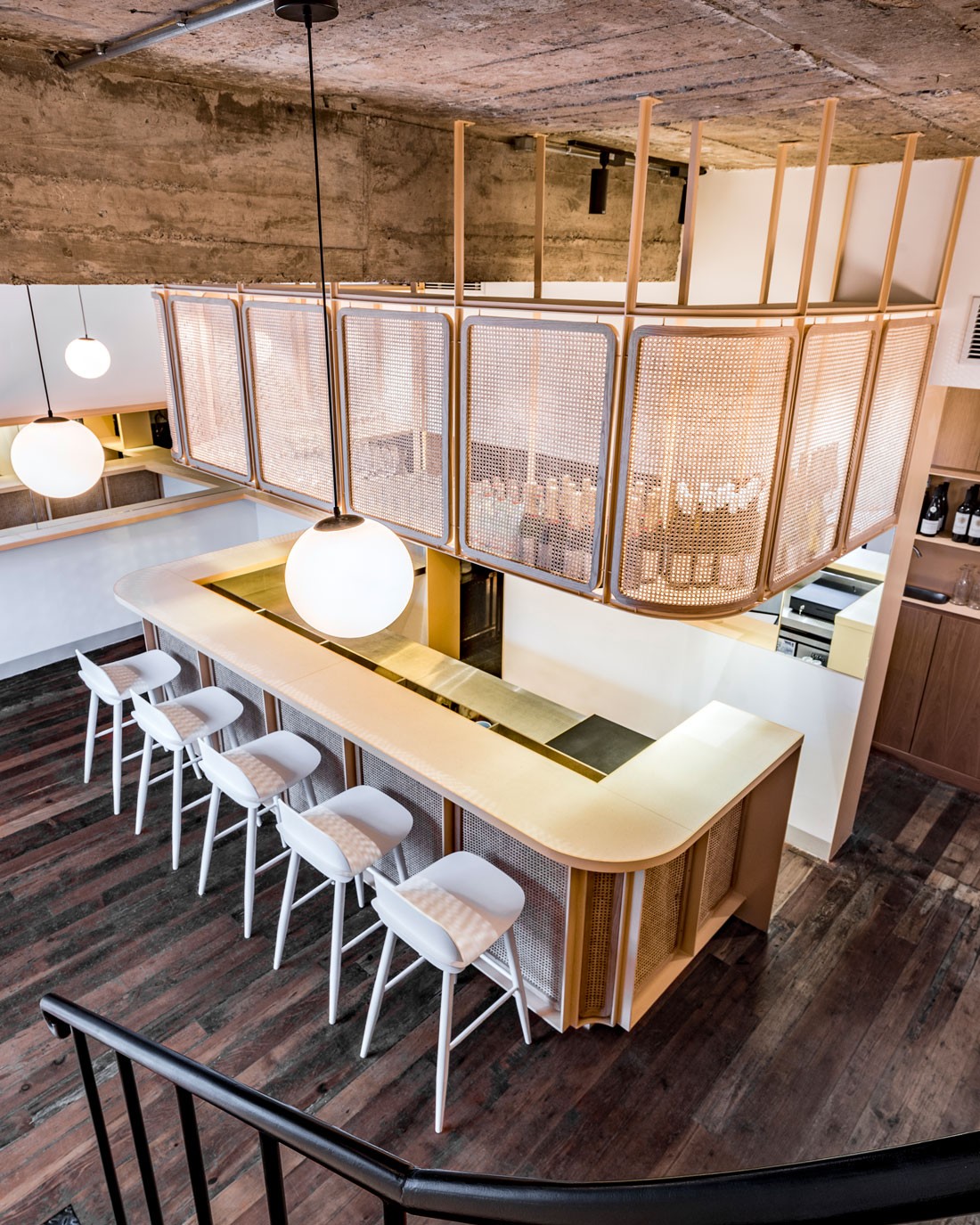
The diminutive space of Bird and Bitter doesn’t take away from the project’s overall aesthetic, which is typified by the use of rattan. Raw original materials collide with peachy rattan and crisp furniture, making for an all-around inspiring F&B space.
–

Photos by Tom Ferguson.
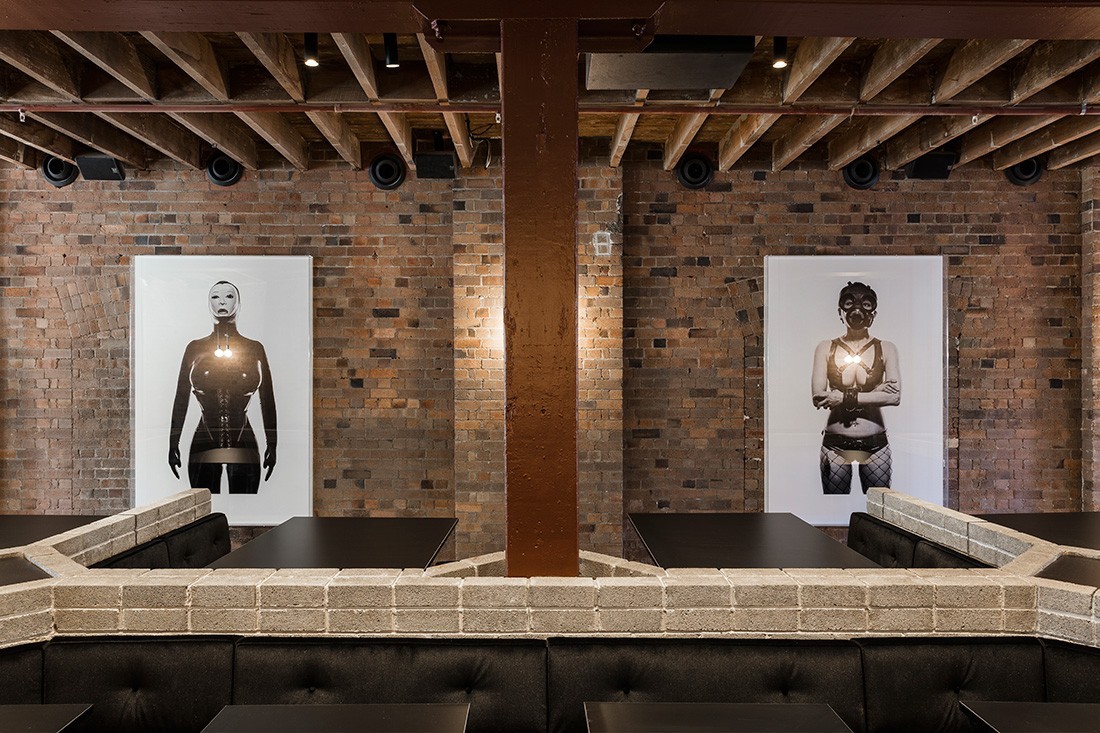
Totally rock ‘n’ roll, the recently opened Chin Chin in Sydney, designed by George Livissianis is an embodiment of the restaurant’s die-hard identity. Where the food presents true dichotomies, so too does the interior fit-out. Think rough mixed with sweet, experimental mixed with classic and a signature selection of pinks for good measure.
–

Photos by Andrew Worssan, Jayden Huang.
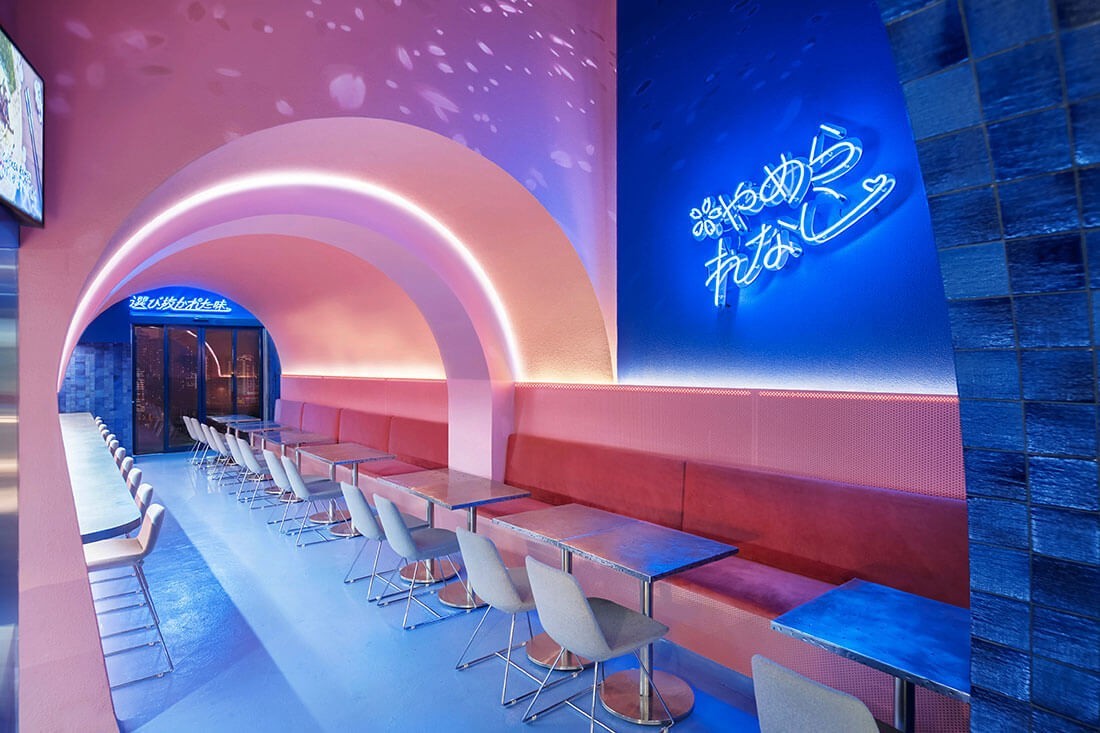
Intense colour and shapes make Wagaya by Span stand out, including bright blues and pinks with a rolling ceiling form. Inspiration for the Japanese ramen restaurant came from the hanami, or Cherry Blossom season, resulting in a completely immersive space.
–
Keep up to date with the latest, sign up for our newsletter.
INDESIGN is on instagram
Follow @indesignlive
A searchable and comprehensive guide for specifying leading products and their suppliers
Keep up to date with the latest and greatest from our industry BFF's!
The internet never sleeps! Here's the stuff you might have missed