Welcome to the third and final instalment in our series from Sibling Architecture, where we take a look through the firm’s research paper New Agency.
Sibling Architecture released New Agency as a concise compendium to rethink the housing troubles facing future generations and ageing populations in Australia, based on three years worth of research. Part three poses a solution: “A New Agency model”.
If you haven’t already, check out part one and part two of the series.

The following is an excerpt from Sibling Architecture’s research New Agency.
A New Agency model: extending the cooperative
The Swiss cooperative housing model can metamorphose in Australia to support affordable housing for young and old through rethinking finances, land ownership, and rental relationships.
The model finds finance through a cooperative membership fee for the loan deposit, which is supported in its start-up phase with government funds and loan guarantees.
There is also the potential to leverage superfunds in this process, which echoes the recent trend of Australian superannuation funds investing in affordable housing supply more broadly. (This is indicated in the diagram in blue, which maps out the Swiss cooperative housing model.)

Land ownership is retained by a government that offers a long lease to the housing cooperative. The cooperative retains ownership of the building on this land. The separation of land and building ownership ensures that, one, land remains in public hands, and two, that the site is decoupled from market pressures to sell land.
Cooperative management ensures that the project supports the needs of its members, including in the planning and design phases.
This can lead to innovation in housing design from considering designing for the whole-of-life, special needs, and introducing shared common spaces for the cooperative, and for the broader community.
A cooperative housing model responds to changing demographics in Australian cities by targeting two groups — students and elders — who may struggle to find affordable housing in heated property markets.
They can be supported with below- market rent, particularly as in the Zurich model, cooperative rents are twenty percent below market rate. This can be extended for cooperative residents by offering a ‘time contribution’ for (further) reduced rent.
This sees residents, young and old, contribute a certain number of hours per month in building maintenance, basic care services or cooperative pursuits (co-op cafe, cultural programming) for the community. The time contribution may outweigh the financial costs associated with aged care.
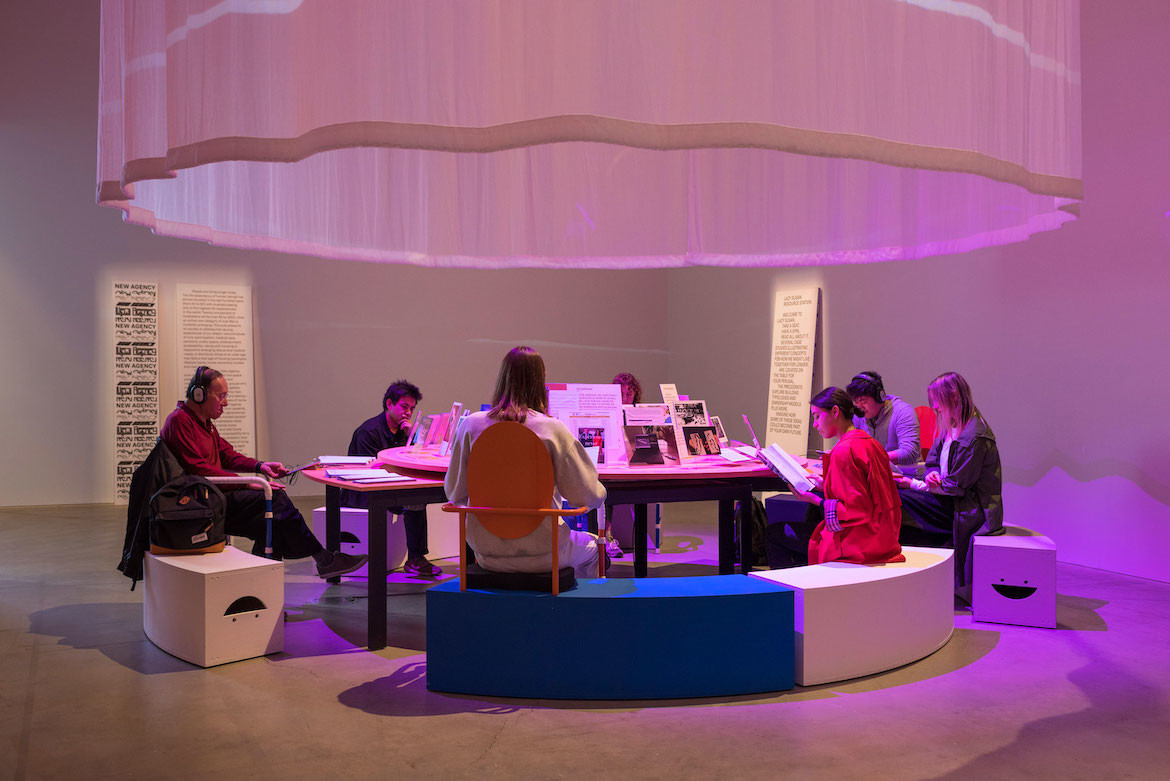
The housing model is scaleable and replicable. This is achieved through a revolving fund where start-up capital, once-paid off at one location, is distributed to another cooperative. However, government land supply is an issue that requires more attention. And so is the need for more political will.
New Agency
Australia’s housing market is dominated by three typical tenure models — private owner-occupied, private rental, and social rental housing — with private owner- occupied housing dominating. With the private owner- occupied housing market becoming out-of-reach for many, other solutions are needed to deliver quality and affordable housing, including for one’s retirement.
There is no one panacea to solve the lack of affordable housing in Australian cities: it takes policy, political will, individual champions, non-profits, property developers and finance among many other factors to challenge the dominance of housing markets shaped by profit.
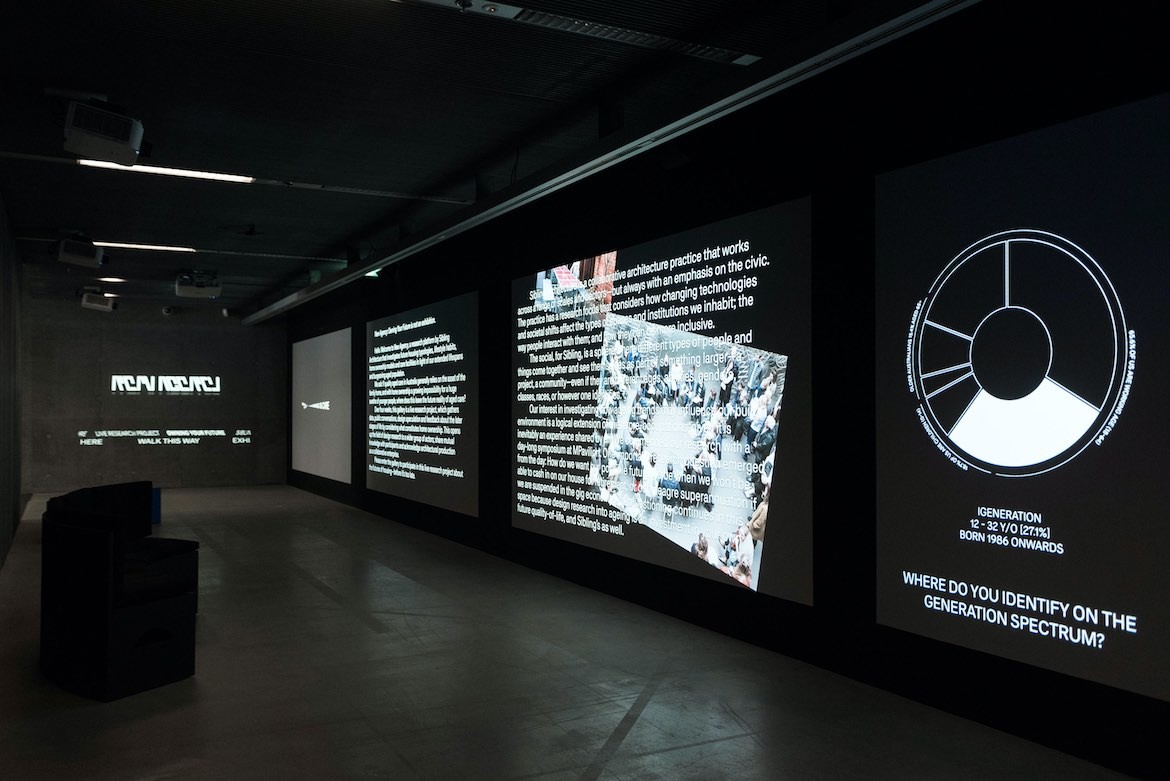
Non-market housing models are resolutely a part of this mix in order that social rental housing increases its market share from a low of 4.3 percent. The Zurich case study demonstrates that transitions in housing markets are possible.
Experiments are important to ignite systemic change through demonstration. They can unleash
civic participation, political desires and policy-maker imaginations. Government authorities must promote and support cooperative housing experiments, such as inscribing cooperatives into land-use and planning frameworks.
It is integral that any model integrates our elders so that they have the option to age-in-place, such as the New Agency model explored by Sibling Architecture. Cooperative models provide quality affordable and sustainable housing. They also ensure land and housing are provided for the common good.
New Agency: The future of dwelling and ageing is available here. The research was conducted with the support of The Alastair Swayn foundation.
Sibling
Siblingarchitecture.com