The home of architecture and design in the Asia-Pacific
Get the latest design news direct to your inbox!

Get the latest design news direct to your inbox!
An exhibition by RMIT students explores the development of Hobart’s waterfront.
March 26th, 2009
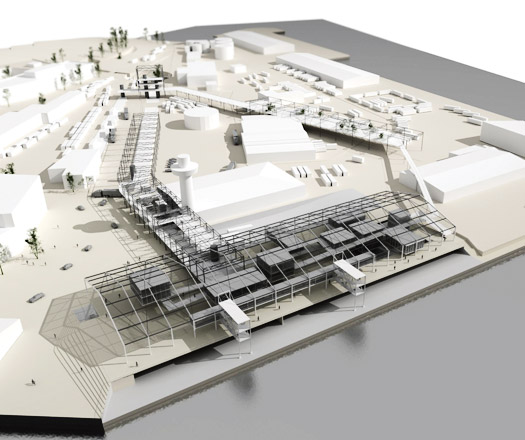
A new exhibition by senior RMIT students will explore the development potential of the former industrial apron of Sullivans Cove in Hobart.
The Shared Space Hobart exhibition is the culmination of a three-month studio of preliminary design research led by Nigel Bertram, senior lecturer in the School of Architecture and Design at RMIT University in Melbourne and member of the Sullivans Cove Design Panel.
Shared Space Hobart responds to Tasmanian Premier, David Barlett’s preference for open public spaces over public development of the Sullivans Cove site.
This vision included rejuvenation of the site through construction of museums and the holding of festivals and public entertainment spaces.
The Premier’s announcement and projects such as Sullivans Cove add further credence to the imminent appointment of a new State Architect for Tasmania.
“The Tasmanian state architect is a new position being established by the Bartlett government to advise on design, building and infrastructure projects state-wide, including a masterplan for the Hobart waterfront,” says James Jones, Tasmanian president of the Australian Institute of Architects (AIA).
“The government is making a solid commitment to ensuring the best possible built environment outcomes for Tasmania by employing the professional expertise offered by a state architect,” said Mr Jones.
The Shared Space Hobart exhibition projects are site-specififc design responses building upon current knowledge and research into the site’s future.
Bound to stimulate further public debate, the exhibition opens tonight (Thursday 26 March) and runs until 9 April 2009 at the Australian Institute of Architects Tasmanian Chapter Headquarters – 1/19a Hunter Street, Hobart
AIA Tasmanian Chapter
architecture.com.au/tas
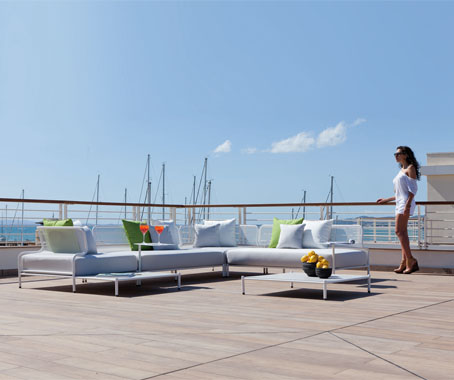
Hero Image: Augustine Savage + James Jamison (RMIT Architecture Program)
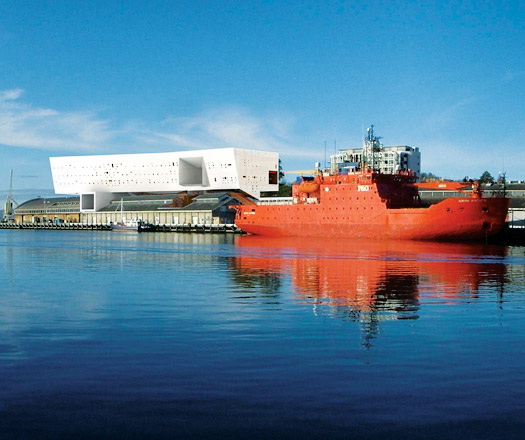
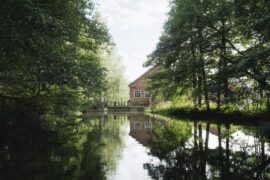
Image: Sam Perversi, Brooks Cove (RMIT Architecture Program)
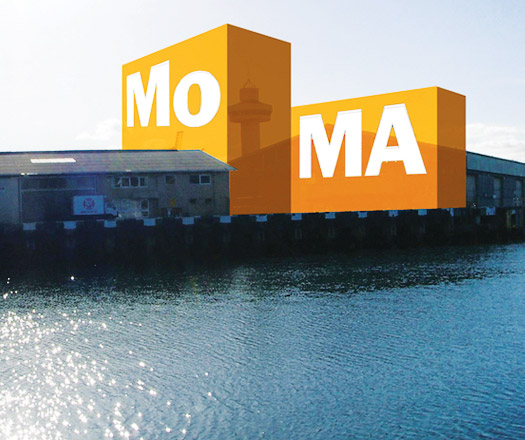
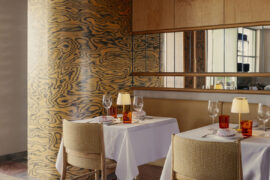
Image: Sam Perversi, Brooks MOMA (RMIT Architecture Program)
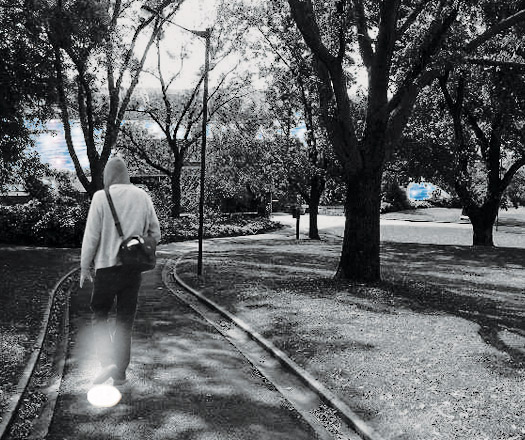
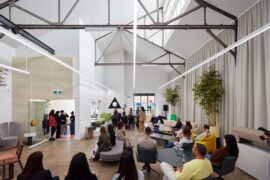
Image: Kylie Freeman (RMIT Architecture Program)
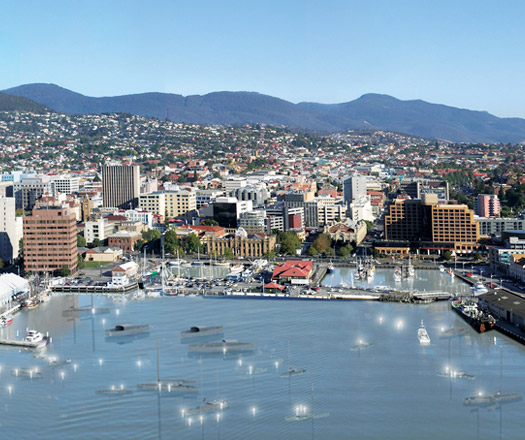
Image: Kylie Freeman (RMIT Architecture Program)
INDESIGN is on instagram
Follow @indesignlive
A searchable and comprehensive guide for specifying leading products and their suppliers
Keep up to date with the latest and greatest from our industry BFF's!
The internet never sleeps! Here's the stuff you might have missed