The home of architecture and design in the Asia-Pacific
Get the latest design news direct to your inbox!

Get the latest design news direct to your inbox!
The integration of digital technologies with design practice is the focus of a new postgraduate program at RMIT University.
December 5th, 2013
The Master of Design Innovation and Technology speculates on the future of design practice to advance the next digital revolution. Taught within RMIT’s renowned Spatial Information Architecture Laboratory (SIAL) led by Associate Professor Jane Burry, the Master by coursework program aims to prepare design leaders for a rapidly changing environment.
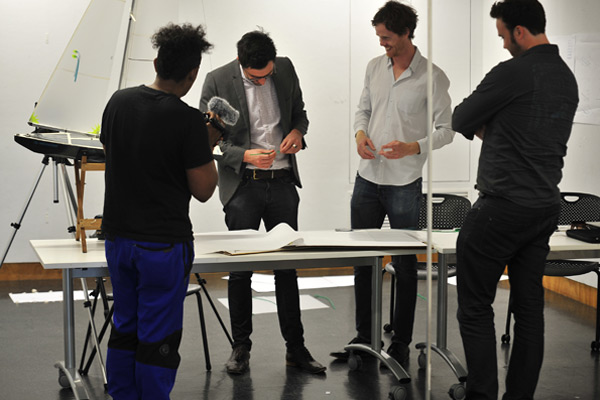
Associate Professor Burry said the program’s multi-disciplinary approach will appeal to students from a wide variety of professions and disciplines including architecture, industrial and sound design, computer science, engineering and media.
“Advances in the digital age have already transformed design practice but we are only at the cusp of a greater revolution,” says Associate Professor Burry. “The integrated application of technology and prototyping from design through to construction is now becoming a reality. The new Master of Design Innovation and Technology offers students a unique opportunity to learn from and work alongside SIAL researchers who are at the forefront of digital design practice.”
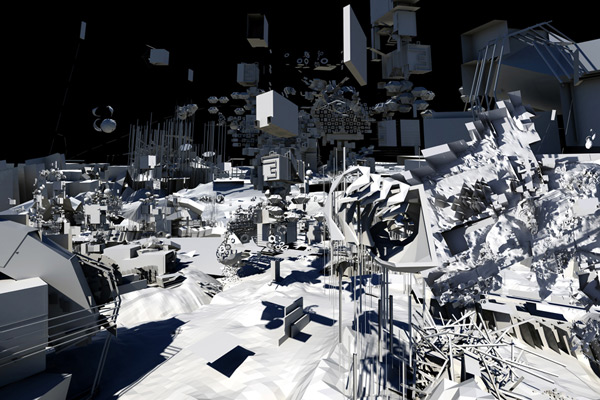
SIAL researchers are engaged in a wide variety of projects that collaboratively break down artificial distinctions between the physical and virtual, digital and analogue, scientific and artistic, instrumental and philosophical. This interdisciplinary research has ranged from highly speculative exploration of high end computing, to a continued role in the design and realisation of Antoni Gaudí’s Sagrada Família in Barcelona.
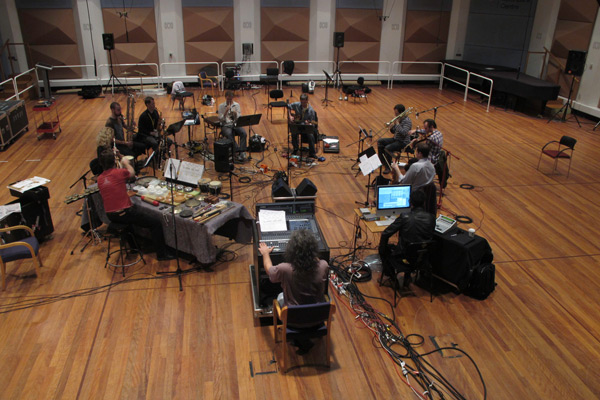
Design studios in the Master of Design Innovation and Technology are based around the following themes:
• Designing Information Environments
• Designing Responsive and Adaptive Environments
• Spatial Sound Design and Urban Soundscape
• Digital Fabrication Construction and Advanced Manufacturing
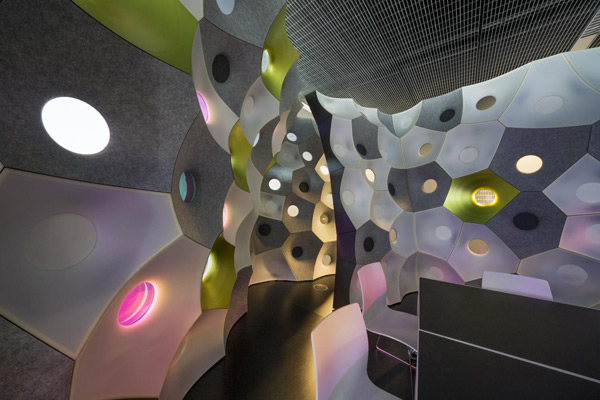
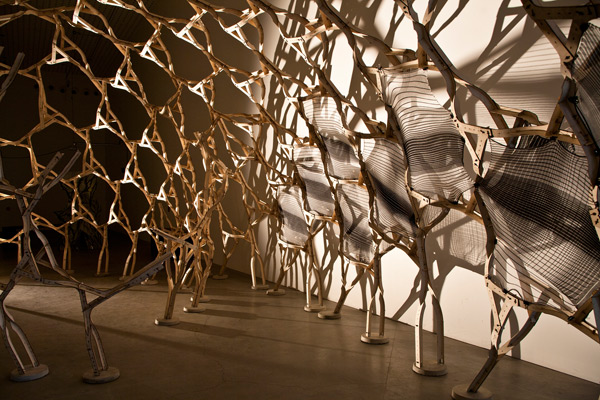
Recent graduate projects include the FabPod, a full-scale prototype that addressed the challenge of designing and prototyping a meeting room enclosure for open-plan work environments. FabPod was a finalist in the 2013 Premier’s Design Awards.
RMIT
INDESIGN is on instagram
Follow @indesignlive
A searchable and comprehensive guide for specifying leading products and their suppliers
Keep up to date with the latest and greatest from our industry BFF's!
The internet never sleeps! Here's the stuff you might have missed