The home of architecture and design in the Asia-Pacific
Get the latest design news direct to your inbox!

Get the latest design news direct to your inbox!
As the building industry continues to grapple with construction issues and ongoing defect management, local start-up HouseLab has announced a new tool to combat it.


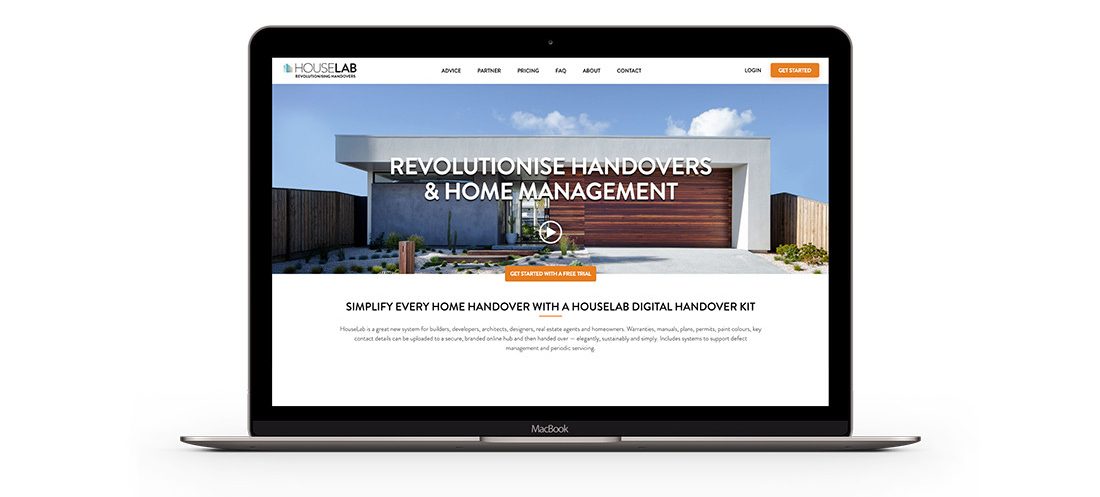
HouseLab has revealed a new defect module in its app, which is part of its Digital Handover Kits. The new inclusion is a welcome update aimed at builders and architects working alongside homeowners where the building and handover process comes together seamlessly inside a single product – the HouseLab platform. The new addition is set to alleviate a part of the industry that is in dire need of attention, particularly as defects and and defect management continue to come under the spotlight.
When sharing insights into the new tool, Chris Rennie, co-founder of HouseLab, says, “We have been working with a wide range of builders and architects over the past two years to develop a system that is aimed at reducing the growing friction and concern around how defects are managed post-occupancy. And to reduce the significant inefficiencies that plague defect management.
“Homeowners are increasingly alarmed about defects leading to a substantial increase in phone calls, emails and messages through social media platforms to their builders or architects, often leading to unnecessarily poor reviews and pulling construction staff off current jobs. HouseLab’s defect module provides a user-friendly platform where residents can log, track and discuss defects in a completely transparent manner. Current industry users are reporting a reduction of 40 per cent or more in communication to site supervisors and construction managers, which is leading to significant cost savings post-occupancy.”
While there are many defect tools currently available, none are focused on facilitating better relationships with new residents, which has been noted as a pain point for builders.
Raj Nandan, CEO of Indesign Media and director of HouseLab, adds, “Defect management and remediation is being mentioned on a daily basis not only across the industry but it’s now front page news. We knew that something could be, and should be, done to improve the relationship between the new homeowners and the construction industry. It’s another step that we are taking in order to offer practical support to a range of businesses across the design and construction landscape.”
During the past two years of testing, HouseLab has noticed some surprising outcomes from users.

Rennie goes onto say, “While instinctively our industry users were initially concerned that providing an open and transparent platform would encourage a large increase in defect submissions, the opposite has been true in many cases. Current practice sees residents having to complete a defect submissions form on a particular day often leading to high anxiety and an unnecessary push to find and record every minor issue, often leading to conflict with the builders or architects.
“This is not happening on the HouseLab platform. Residents submit defects as they come across them, and because they can track them in real time, it reduces the need to call the office. Another benefit is that as residents are self-serving on the platform, it has dramatically reduced the need for construction staff to visit the homeowners to assist in recording the defects.” Rennie adds, “In some cases we have seen time savings of up to four hours per day for construction staff, as they don’t need to visit the new homes, rather they’re managing the whole process online, leaving more time to focus on the next job.”
See how HouseLab and Philip Stejskal Architecture have reimagined suburbia here.
INDESIGN is on instagram
Follow @indesignlive
A searchable and comprehensive guide for specifying leading products and their suppliers
Keep up to date with the latest and greatest from our industry BFF's!
The internet never sleeps! Here's the stuff you might have missed