The ‘competitive edge’ desired by elite sporting teams takes on many forms. Some are physical, some psychological and others are completely outlandish. What we are beginning to see is the upgrading of multiple facilities, particularly among Australian football codes, in an effort to give players and staff every opportunity possible to prepare as best they can.
The Penrith Panthers were the first NRL club to possess a high performance centre of this nature. Penrith’s former Director of Football, Phil Gould, cemented the club’s future with the creation of the $22 million facility located at the team’s training ground in 2016. Since then, there has been a battle between clubs throughout the league to create the ideal elite training environment.
dwp has been involved in the creation of sports and recreation facilities for some time, designing elite training facilities, aquatic and leisure centres, sports centres and stadiums. The practice specialises in high performance sport and community projects where integrated multi-code sports development is the central focus.

In 2018, the practice was sought out by the Wests Tigers to create the Centre of Excellence, a $70 million development funded by state and federal governments and local council.
The Centre of Excellence has been completed, but only forms one stage of the entire development. An integrated community hub will sit alongside the facility, with Wests Tigers wanting to ensure the club connected professional athletes with grassroots.
Ivana Simkovic, Studio Director at dwp, says it was imperative that the design was open and engaging to the wider community.
“While co-locating high performance sport with community recreation presents many opportunities, it also presents challenges that require careful consideration during the design process. It was critical that the Wests Tigers facility was seen as open and welcoming to the local community and to fans from far and wide. It was important to establish a strong connection to the precinct and give the Wests Tigers presence and an enduring sense of belonging.
“From a community perspective, the brief was to create a precinct that will be welcoming, safe and accessible. Our experience tells us that pride in and a sense of ownership of public assets brings an equal sense of value, responsibility for care and heightened levels of participation. Strong participation activates the precinct and, when combined with accessibility and clear sight lines across the site, provides a safe and secure recreation environment.”
Related: Inside Melbourne’s AAMI Park

As well as creating a high performance facility for a professional footballing outfit, the practice was acutely aware that the leisure centre serves as a revenue source for Canada Bay Council. Intertwining the two and maximising community appeal was a non-negotiable.
“To this end we maximise room functions for flexibility of use and design layouts for ease of access and enjoyment to encourage repeat patronage,” Simkovic says.
“Our team has a high level of expertise in business case development that is founded on robust needs assessment and data-centric modelling.
“The clear point of difference for the dwp team is our deep knowledge for global high performance and community sport trends and best practice, and our central focus on this sector. We care about our sport and our communities. Our approach ensures social and economic sustainability, and facilities that will endure generations.”
That adaptability and versatility of leisure centre spaces extended to the Wests Tigers Centre of Excellence, with extensive research and configuration testing as well as future planning undertaken.

The former training ground at Concord Oval was notorious for being well below standard. There is a story told by Wests Tigers Director of Football Tim Sheens that his first job as Head Coach in 2003 was giving the former gym a lick of paint. What stands in its place shadows any former space occupied by the joint venture.
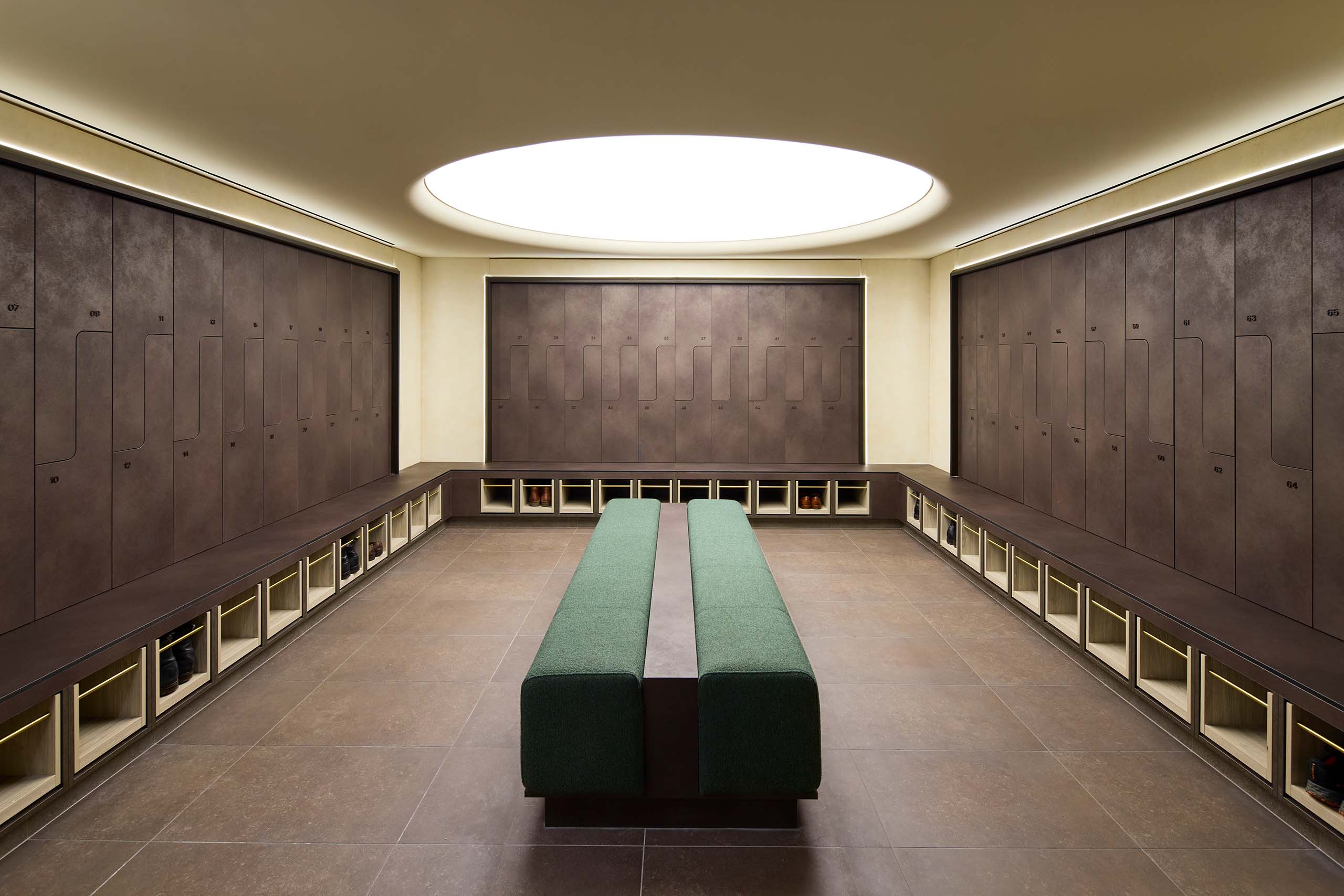
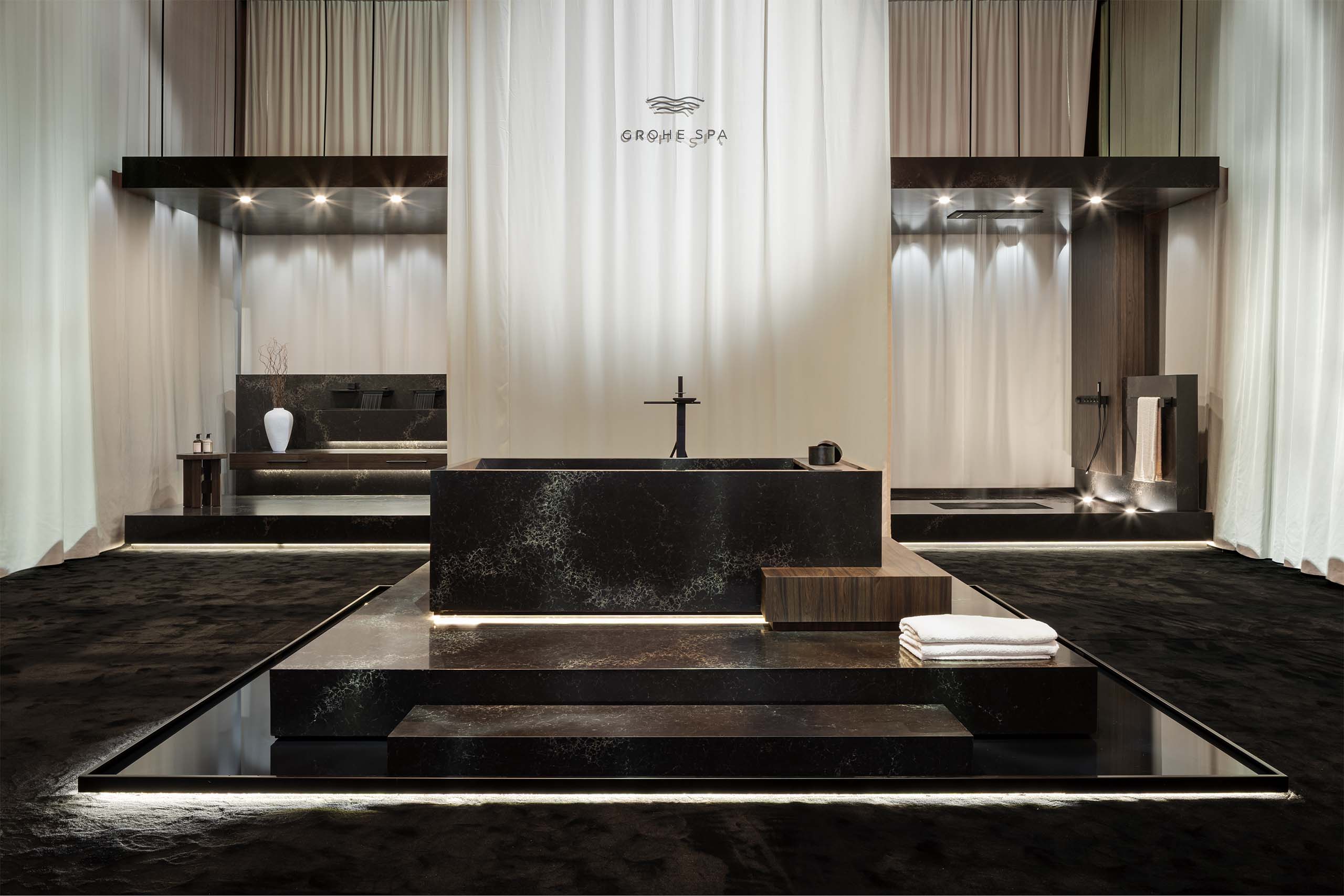
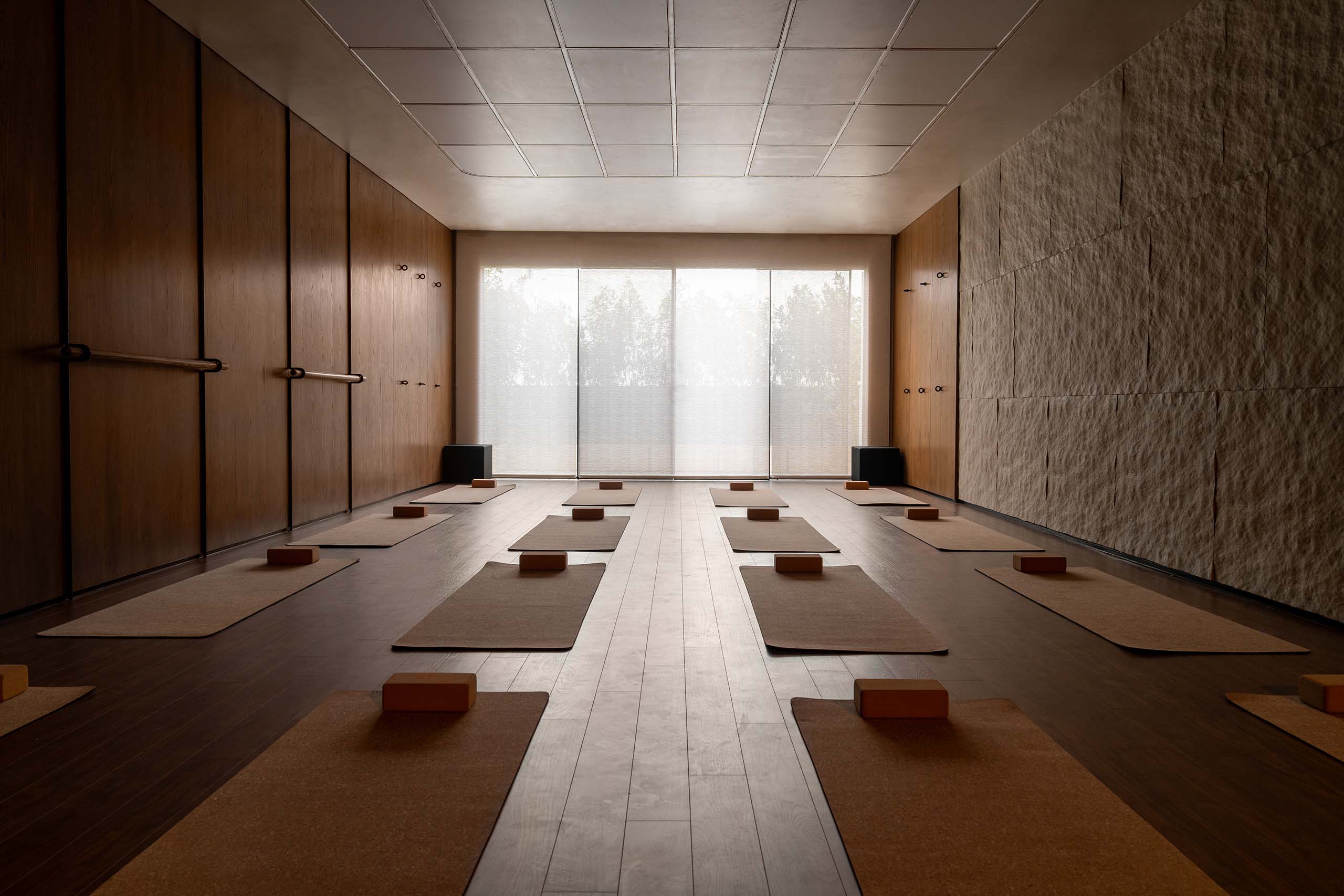
In terms of features and amenities, the Centre of Excellence features a state-of-the-art gym, sports science and medicine facilities, aquatic recovery, player amenities, an auditorium, club lounge, administrative offices and a cafe. It is regarded as the best elite training facility in Australia alongside the Fremantle Dockers’ training base on the other side of the country.
Simkovic says the feeling of completion experienced once the facility opened its doors is something that never quite gets old.
“As an architect, you go through an amazing story of perseverance but it is always rewarding to see the project you worked on for years — from initial sketches through stakeholder engagement, developing design, documentation and construction — built,” she says.
“It probably took longer than it should and partly it is due to all the difficulties we went through in the last two years including being in the construction phase during Covid. We are proud that we achieved precinct integration, especially integration of elite training and community recreation infrastructure; understanding athlete flows — training, recovery and education — and translating it into a design that the client and community will be proud of.
“We think it will reflect and grow the club’s culture and values and connect with the community.”
dwp
dwp.com
Photography
Courtesy of Wests Tigers
We think you might also like this article on Delacombe Stadium