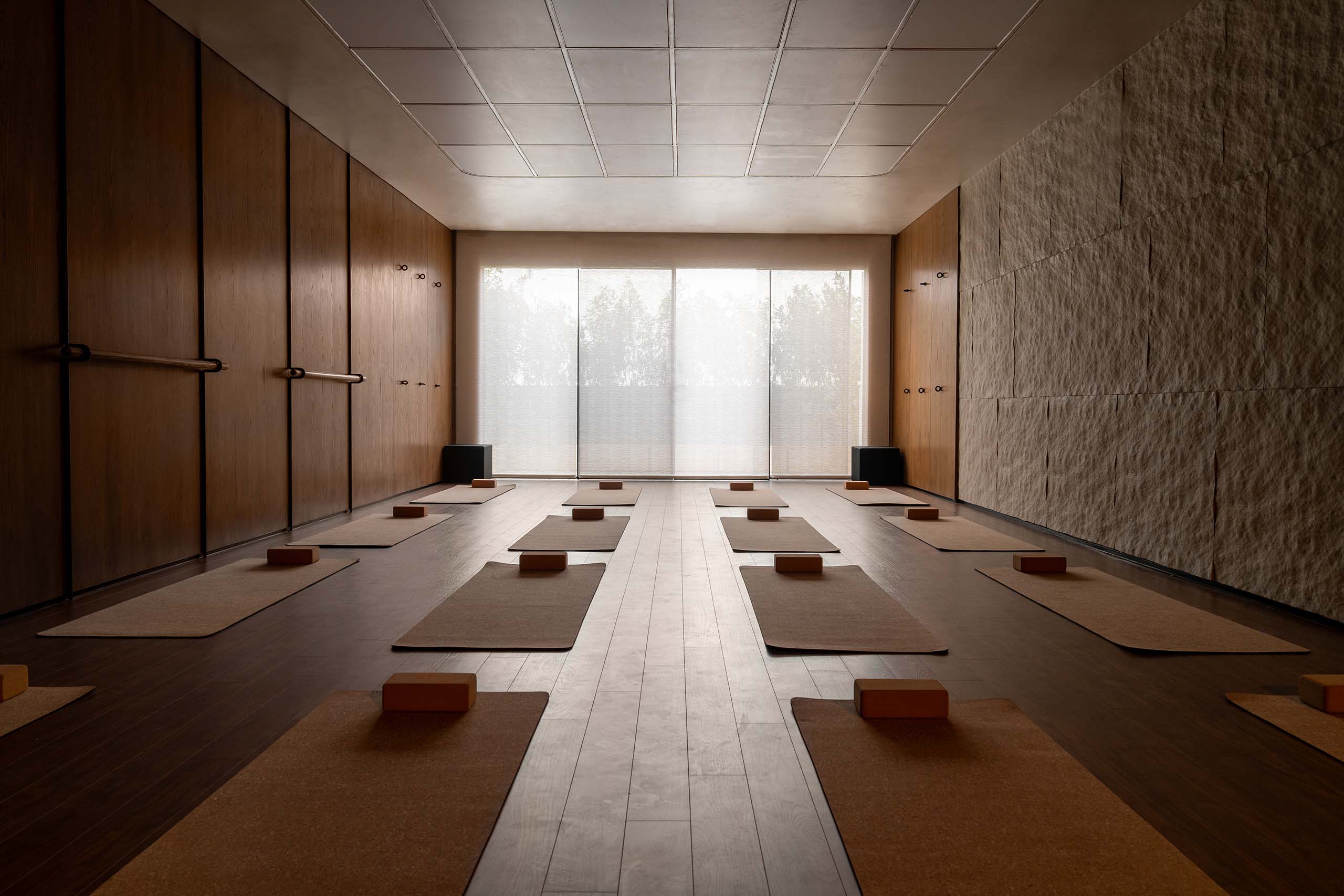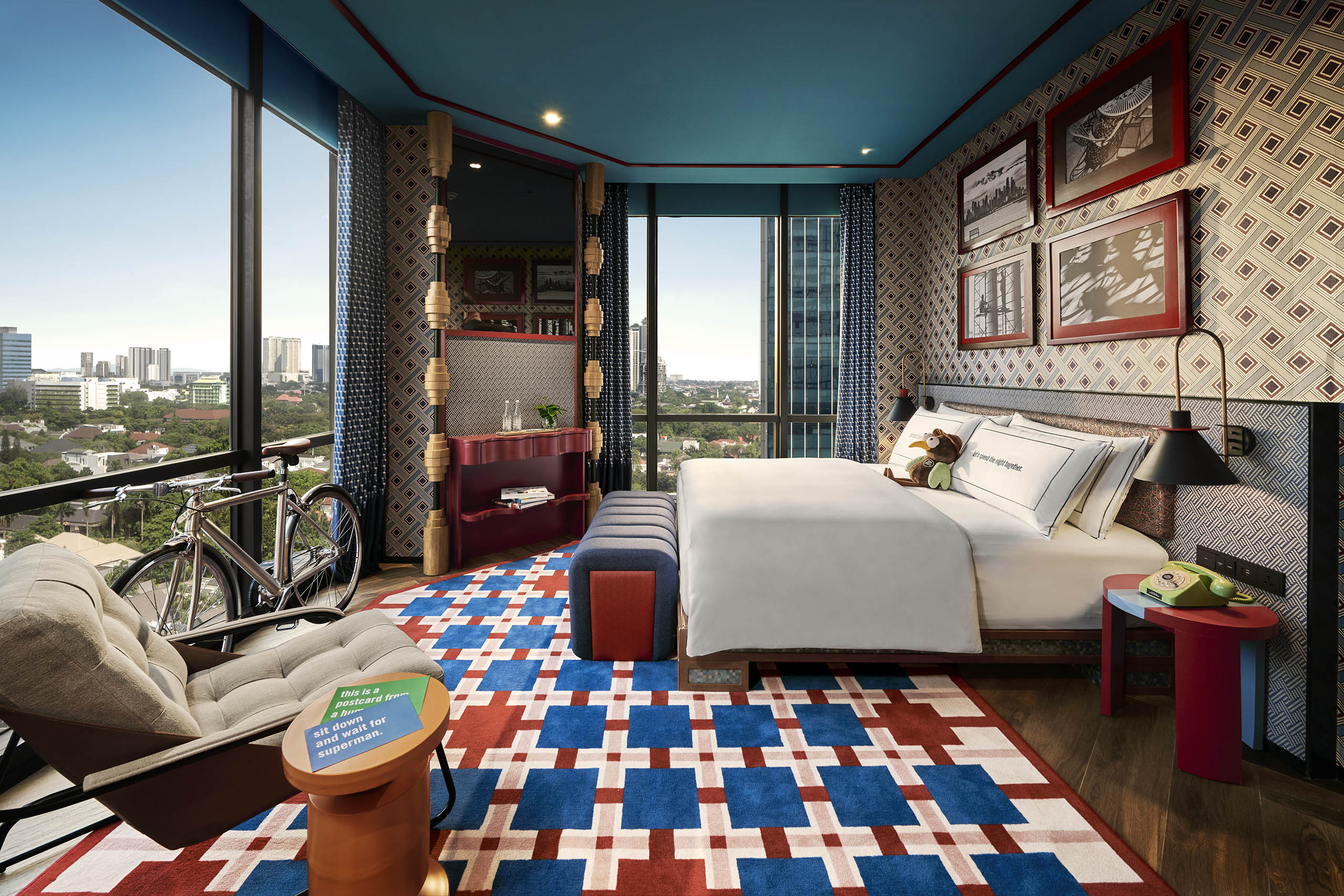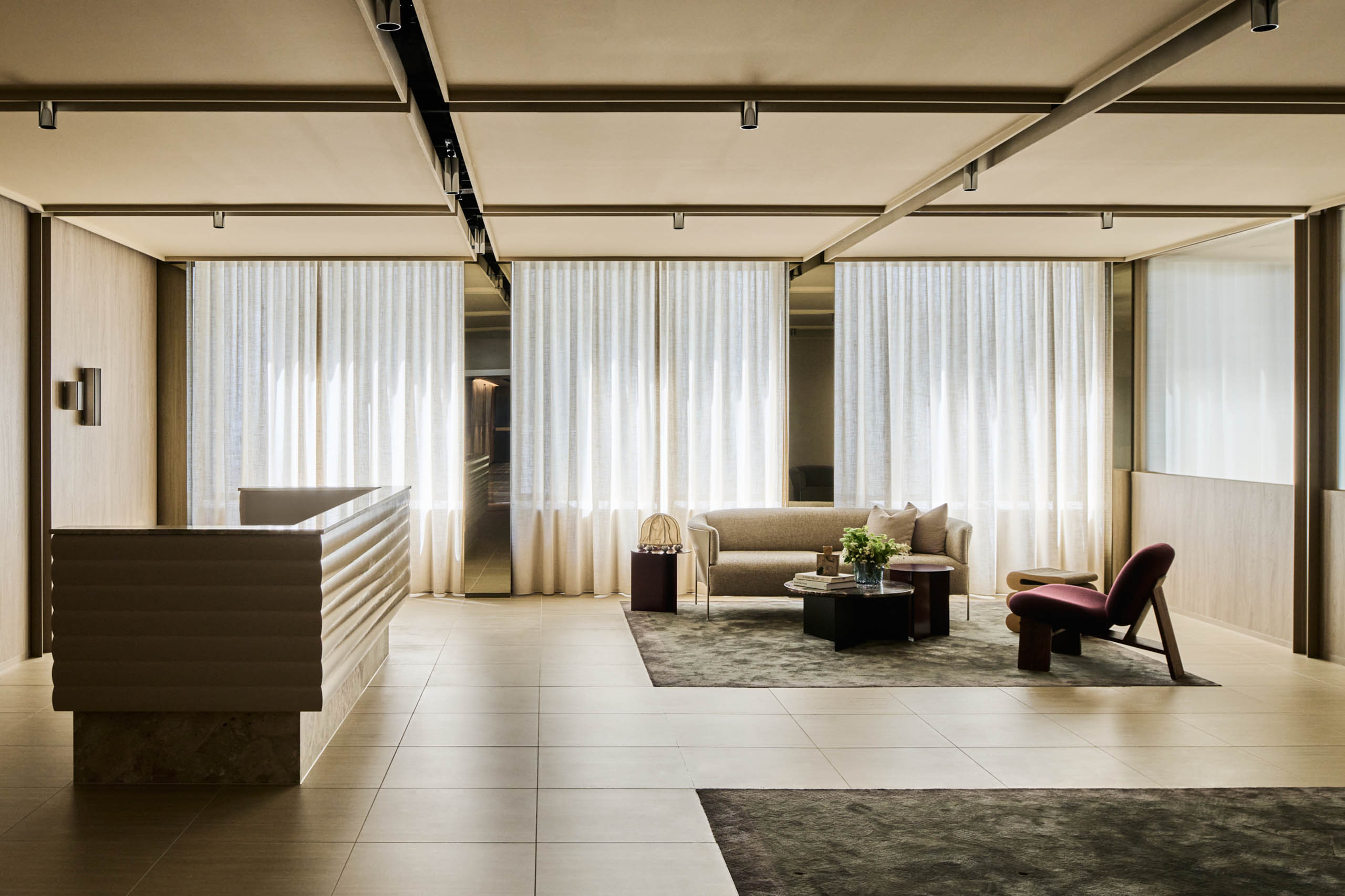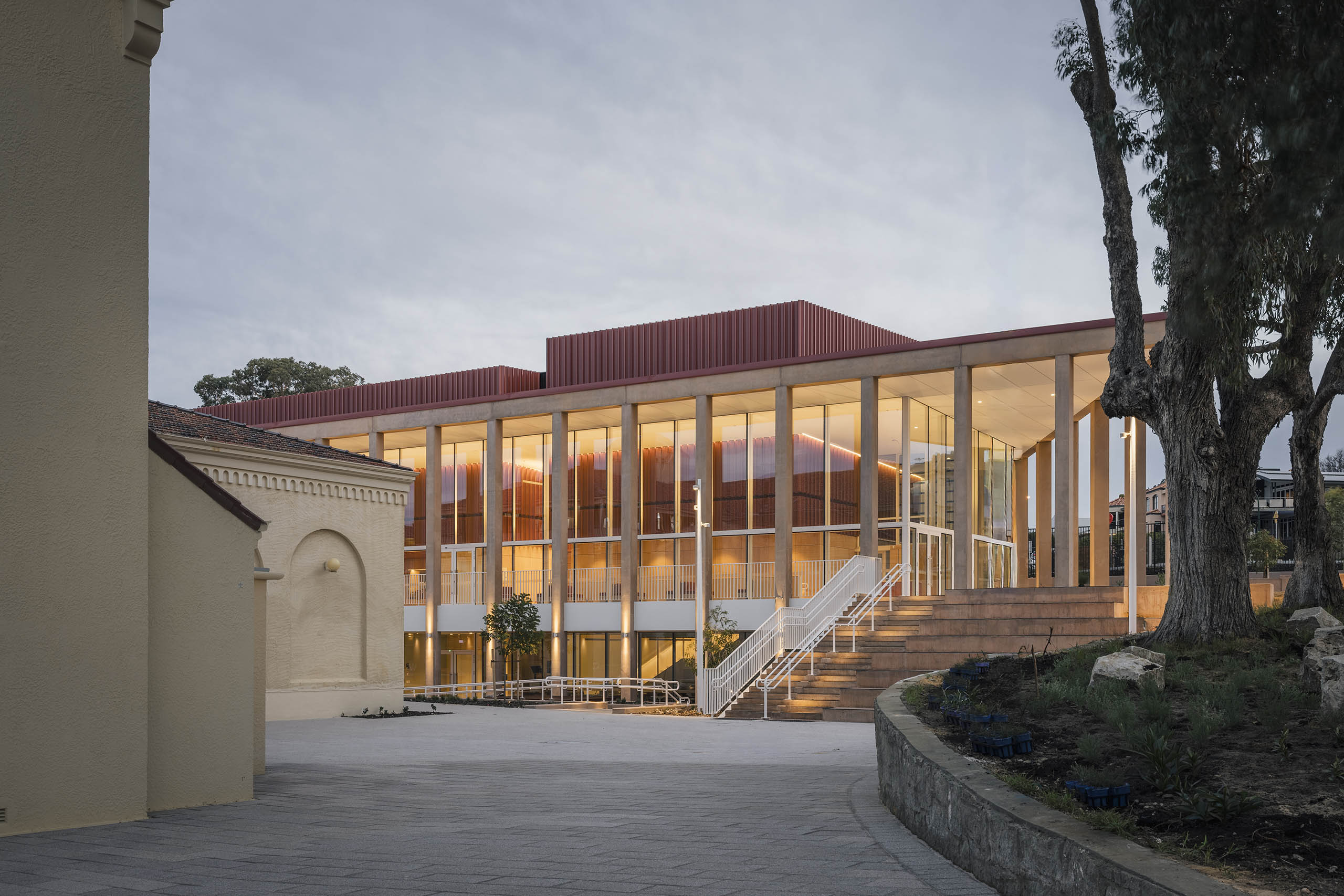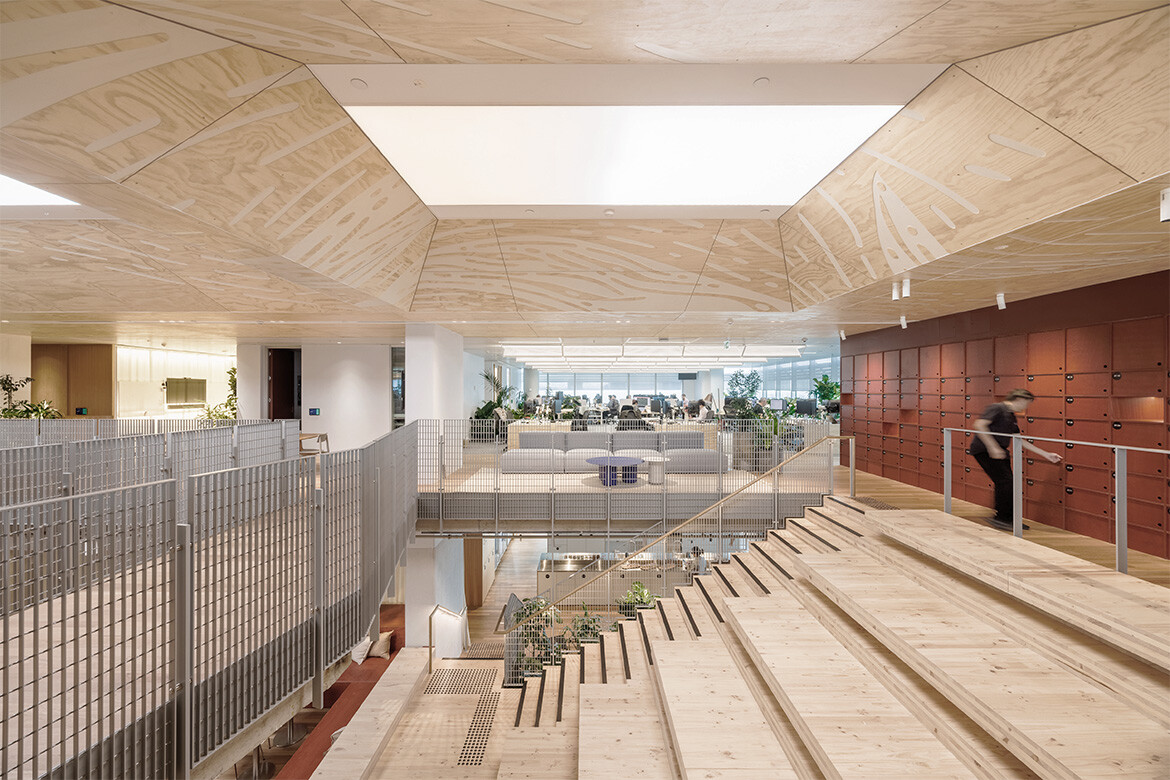
A new report by international design practice Hassell, The Mandate Mirage: 2025 Workplace Futures Survey, concludes that the real drawcard for attracting employees to the office in-person is choice — especially when that choice is supported by a workplace designed for more than just work.
Now in its sixth year, this year’s survey highlights that rigid return-to-office (RTO) mandates alone are failing to lift in-person attendance. In Australia, office attendance levels have remained relatively flat year-on-year, despite mandates, with 52 per cent of employees working five days in the office, echoing global trends. In fact, strict policies have driven dissatisfaction without significantly changing where people work. Instead, the workplaces drawing people back are those that feel like destinations – merging work, leisure and lifestyle into a single, connected precinct.

Surveying 3,000 office workers across Australia, Singapore, Hong Kong, the UK, the US and – for the first time – South Korea, the research found that office attendance is significantly higher in premier buildings with amenities that extend beyond the work floor. This spans from from wellness spaces and green terraces to quality dining and nearby cultural or retail offerings.
Hassell’s findings highlight that the must-haves – such as good meeting spaces, reliable tech and comfortable work areas – are just the beginning. The most attractive workplaces elevate with convenience (great coffee, showers, bike facilities) and delight with experiences (gardens, on-site fitness, curated social events). Clear RTO policies paired with meaningful incentives such as bonuses or travel allowances work best when the space itself is worth the commute.
Related: Arup Brisbane designed by Hassell
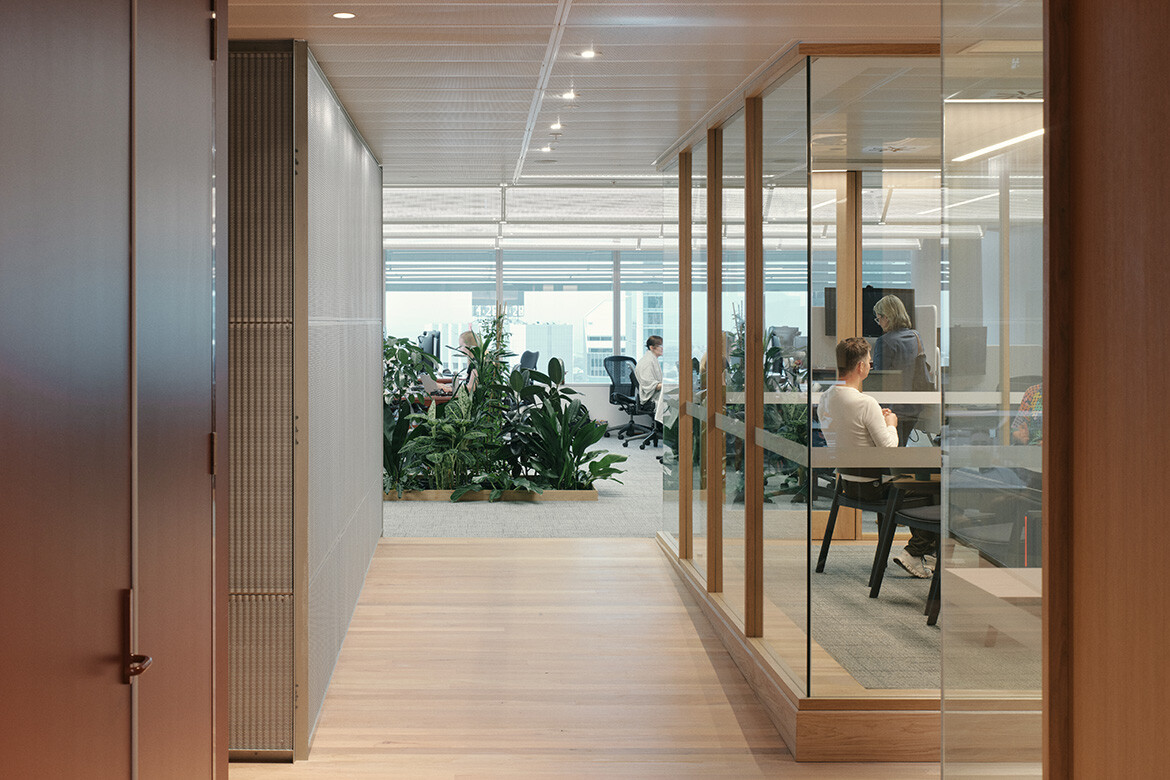
Dr. Daniel Davis, Hassell Head of Research and author of The Mandate Mirage report says the new research confirms what many employers are starting to realise – rules alone won’t bring people back to the office. The findings suggest that the real catalyst for attendance is choice, coupled with workplaces that offer more than just a desk.
“Our research shows that simply mandating people back to the office doesn’t work – stricter policies haven’t shifted attendance and they have damaged morale,” says Davis. “What does work is giving employees a choice and creating workplaces worth the commute.”

Davis continues: “In Australia, we found that attendance was 15 per cent higher in companies that had recently renovated or upgraded their spaces. It’s clear that good design is an important component in driving a return to the office.”
Among the key findings are:
- Good design equals a more engaged workforce: 15 per cent higher attendance at companies that have recently renovated spaces or upgraded equipment;
- 40 per cent of people in premier office spaces preferring to work in their office than remotely;
- Premier spaces preferred: 29 per cent of Australian offices are in ‘premier’ buildings – these record higher employee satisfaction and attendance than ‘average’ or ‘worst’ quality buildings.
- Location, location, location: premier offices are more likely to be within five minutes’ walk of cafés (66 per cent), restaurants (60 per cent), gyms (51 per cent), cultural destinations (55 per cent) and green spaces (48 per cent).
- Mandates miss the mark: stricter policies have zero impact on office attendance and reduce satisfaction by 14 per cent.
- No reason, no return: 41 per cent lower compliance when companies give no reasons for their RTO policies.
- Money talks: 32 per cent higher compliance when financial incentives such as stipends, bonuses or pay increases are offered.
- The new norm? Australian office attendance levels remain relatively flat year-on-year, despite mandates, with 52 per cent of employees working five days in the office, echoing global trends.
According to Davis, autonomy and flexibility remain highly prized by professionals with employees placing value on relaxing, pleasant and engaging spaces, and amenities that extend well beyond the traditional lobby.
“It’s evident that clear RTO policies paired with meaningful incentives outperform consequence-free mandates and while we’ve found that incentives do boost compliance, this is even more so when backed by an experience worth commuting for.”
Hassell
hassellstudio.com
Photography (Arup Brisbane)
David Chatfield